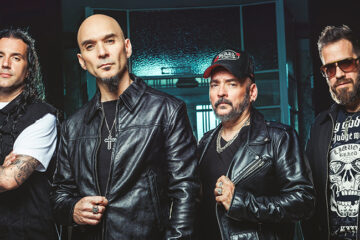
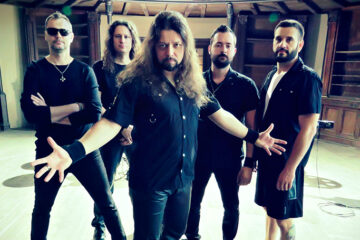
Siete años han pasado desde que Tarja ofreciera su última propuesta discográfica orientada al heavy metal. Durante todo este tiempo giras, discos y conciertos navideños además de otros proyectos han ocupado su agenda. Es hora de editar nuevos temas “duros” que podemos encontrar en Frisson Noir, su sexto disco en solitario. Siempre relacionada con la banda que la dio a conocer.. .quizá esté en camino de ocupar su lugar ahora que llevan detenidos largo tiempo. Contactamos con ella que nos atiende desde su residencia en Marbella.
Castellano
Hola Tarja, encantado de volver a charlar contigo.
Igualmente, ¿cómo estás?
Con ganas de charlar de Frisson Noir después de siete años de la edición de In The Raw y, sinceramente, al repasar lo que habéis estado haciendo últimamente, no sé muy bien de dónde habéis sacado tiempo para este nuevo álbum, porque tengo la impresión de que no habéis dejado de estar de gira, sobre todo desde que os unisteis a Marco. Me gustaría compartir mis impresiones sobre el álbum. Me parece muy sólido y cohesionado, en el sentido de que lo he escuchado de principio a fin y cada tema me ha llamado la atención de alguna manera, lo que hace que sea un placer escucharlo, sinceramente. Desde los riffs de «The Eternal Return» o «Blaze Forever» hasta la sensibilidad de «Leap of faith», «Against the odds» o «Anemoia». La oscuridad de «I don’t care», todo ello con el toque sinfónico esperado, pero sin recargarlo. Hay elementos nuevos con Sayo Komada, por ejemplo, y las colaboraciones —de las que podemos hablar un poco más adelante—, y con el piano y los instrumentos de cuerda desempeñando un papel importante en muchas canciones. En mi opinión, hay muchas cosas de las que hablar en este álbum…
Gracias, estoy muy contenta porque es la primera vez que puedo escucharos hablar sobre mi álbum, sobre mi creación, porque es… sí, ha sido un trabajo de locos, pero ha sido realmente maravilloso trabajar en esto.
Siento que realmente han pasado casi siete años desde mi último disco, In the raw. He estado ocupada y han pasado muchas cosas durante esos siete años, como has dicho, pero he estado componiendo canciones todo este tiempo desde mi casa aquí en Marbella. Componiendo con mi piano y ha salido mucho material bueno, así que me siento muy segura y ya realmente no me importa. Como la canción “I don’t care” jajaja… Por eso se llama así la canción. Es como si, de alguna manera, fuera muy natural cómo cada pedacito encontró su lugar, y así que ahora fue más o menos hace un año cuando decidí: «Vale, es hora de trabajar en el nuevo álbum».
Acordamos con la gente del sello, Ear Music, que era el momento y dije: «Vale, revisemos lo que he hecho durante todos estos años, lo que he escrito y si hay canciones buenas o canciones malas». ¿Qué hay ahí? Y descubrí que había mucho material bueno. Estaba completando algunas de ellas y aún terminando de pulir algunas cosas, e incluso recuperé canciones como «Against the Odds», que ya había grabado con Chad Smith para el álbum «Shadow Self» hace muchos años. Así que retomé esa canción y dije: «Vale, ahora es el momento de terminarla porque es una canción preciosa». Hagamos las melodías, yo escribo la letra y la terminamos; encaja como cierre para este álbum, está muy orquestada y es tan bonita… Las cosas empezaron a ir por buen camino y sentí que ahora iba a intentar hacerlo todo por mi cuenta de una forma en la que me sintiera segura.
Así que lo hice: escribí todas las letras, compuse siete canciones, la música y la letra, todo, y luego escribí tres canciones más: una con mi teclista, otra con mi guitarrista y otra, «Against the Odds», con Jim Dooley, que fue la orquesta. Sí, he estado ocupada, pero ha sido un ajetreo positivo, sí, y estoy muy contenta con el álbum; es un álbum muy personal. Es oscuro, muy sinfónico, muy heavy, y ese sonido ha supuesto una gran diferencia para mí. La mayor diferencia en este álbum es el sonido. Es sorprendentemente heavy y directo en cuanto a las voces; además, todo es nítido y cristalino, y el responsable de todo eso es Neil Avron, porque desde el principio del proceso tenía muchas ganas de trabajar con un productor.
Hablé con todo el mundo del sello. Busquemos un productor, ya es hora, ya sabes, trabajé con un productor en mi primer disco cuando dejé Nightwish, trabajé en My Winter Storm con productor, y fue todo un reto. Al principio estaba nerviosa, era una situación nueva trabajar con un productor, y desde entonces siempre he producido mis discos porque sentía que era mi forma de hacer las cosas, la más fácil para mí a la hora de explicar a mis músicos qué hacer y cómo hacer esto y aquello, y ha funcionado.
Pero esta vez dije: «Vale, quiero un sonido heavy para mi álbum; las guitarras, el bajo y la batería tienen que ser “muy pesados”». Quién podía entender mis deseos era Neil Avron, porque soy fan de su trabajo desde hace muchos años, de su sonido, como en el último álbum de Linkin Park, por ejemplo, algunos álbumes de Disturbed y también de Skillet; tiene un sonido realmente bonito, claro y pesado, así que le pregunté si podría encargarse de mis canciones sinfónicas, esas enormes canciones orquestadas, y entender que quería que sonaran pesadas, y me dijo: «Sí, no te preocupes por eso», y fue como: «¡Guau! Sí, sólo tengo que preocuparme por las partes de la orquesta, fantástico, adelante», y fue genial trabajar con él, un auténtico placer, y todo salió muy bien.
Hay un montón de preguntas que me gustaría hacerte, porque es un álbum complejo, con toda la orquestación, las partes vocales y sus arreglos. Se pueden escuchar registros muy graves y pasajes casi susurrados que, al final, estallan en crescendos operísticos. ¿Cómo trabajas la colocación de la voz en esa transición de lo sutil a lo épico para no dañarte?

La cuestión es que en este álbum yo también noto una diferencia. He tenido mucha suerte. Aquí en Málaga hemos encontrado a Jesús, el ingeniero de sonido, que ya me había ayudado en algunas de mis grabaciones anteriores. Antes solía grabarlo todo en mi propio estudio, pero esta vez me dije: «Para este disco no, quiero que Jesús esté aquí». Me siento muy a gusto con él y es muy fácil trabajar con él, es un placer estar con él en el estudio. No estaba nada nerviosa. No hace falta que lo esté, sería horrible grabar con alguien que te transmite malas vibraciones.
Solo quiero centrarme en la emoción y dejarme llevar. Así que, técnicamente, diría que he llegado a un punto en mi carrera como cantante en el que me siento más segura que nunca, porque realmente no necesito pensar mucho en ello, es muy… Es como un acto automático, ya sabes, simplemente me dejo llevar y hago lo que me apetece con mi voz, en cierto modo. También tengo mis limitaciones, como todo el mundo, pero es divertido porque estoy entrenando constantemente la técnica lírica.
Creo que hay un nombre para esta transición… No sé si me equivoco… ¿El «passaggio»?
Sí, es algo… es algo que he tenido que… no ha sido nada fácil, sobre todo para mí, que siempre he tenido esa técnica lírica, ya sabes, la técnica del canto clásico, en la que tenía que ir soltándome poco a poco sin hacerme daño. Y la cuestión es que, por supuesto, tengo que concentrarme plenamente en la técnica cuando hay partes difíciles, pero el resto es pura libertad. En cierto modo, es muy fácil.
Se trata solo del flujo de aire, la relajación y dejarse llevar, pero la emoción ayuda mucho a la hora de cantar. Eso es absolutamente importante: cuando la emoción es la correcta, todo el mundo en la sala puede decir… oh, esta ha sido la mejor toma. No se habla de: «oh, ¿se ha cantado técnicamente bien?». No, es como si la emoción te impulsara, y Jesús, y también mi marido, que siempre ha estado ahí en mis grabaciones con todos los álbumes, incluso Marcelo, me dijo que en este disco puede sentir la libertad en mi voz, y eso es lo que sentí: libertad.
Y, obviamente, no es lo mismo cantar delante de una orquesta —lo que requiere, supongo, un control, un volumen y una proyección enormes— que, por ejemplo, cantar en una canción con Chad Smith.
Sí, sí, pero creo que la gran diferencia es que yo escribí la letra. Así que había una letra que ya me acordaba de casi toda incluso antes de llegar al estudio, la había escrito, así que es como si hubiera una facilidad, ya estaba ahí por eso: «esta es mi canción, mi letra, mi corazón, vamos a hacerlo». Así que hay esa felicidad y la emoción ya está ahí porque sabía lo que quería contar con la canción y, por eso, siempre está todo más integrado cuando lo llevas dentro.
Y hablando un poco de las canciones, por ejemplo, en el caso de «Leap of Faith», al volver a grabar en un estudio con Marco después de todos los conciertos que habéis dado, ¿cómo ha cambiado musicalmente vuestra dinámica de trabajo desde vuestra etapa en Nightwish?
Ay, todo ha cambiado porque, la verdad, ni siquiera conocía a ese chico de la época de Nightwish. En realidad no nos conocíamos. Volvimos a conectar hace unos años y es como si… fuera una persona nueva en mi vida, aunque ya teníamos un amigo en común. A pesar de que tenemos una historia, una larga historia, y quizá precisamente por eso, porque hemos pasado por todo eso, hemos hablado mucho y hemos estado ahí, en los buenos y en los malos momentos de estos últimos años, nos hemos apoyado mutuamente.
Una vez los dos nos pusimos tan mal que nos echamos a llorar el uno en el hombro del otro y, ya sabes, momentos como ese nunca pudimos compartirlos antes, no había esa conexión entre nosotros y ahora sí la hay, y en lo que respecta a la música, para mí la música siempre ha sido emoción. Es como si tuviera que ser pura emoción, así que hacer música con él es un auténtico placer, es como volver atrás en una máquina del tiempo, pero es totalmente diferente a lo del pasado. Hay una diferencia: nos entendemos, hay un entendimiento mutuo y apoyo, y eso es algo precioso. Ir de gira con él también fue bonito cuando grabé «Left on Mars»; ya sabes, «sellamos nuestra nueva amistad con esa canción suya», hicimos esa canción y, en el momento en que me ofreció su canción, le dije: «Vale, vale, Marco, si hago esto por ti, tú harás una por mí». Pasaron unos años y me dijo: «Sí, sí, claro».
Y esta fue la canción; de hecho, escribí «Leap of Faith» pensando en él, así que fue la primera vez que escribí una canción pensando en con quién la iba a cantar, iba a ser un dúo con Marco. Escribí la letra, la historia de la canción y las líneas vocales para él, la contramelodía, todo pensando en su voz. Lo que él puede estar haciendo hoy en día es, ya sabes, un proceso completamente diferente, también una experiencia de aprendizaje para mí escribir una canción desde cero pensando en cómo debería ser y, quizás por esta razón, la canción acabó siendo un poco más épica que el resto de las canciones del álbum.
English
Hi Tarja, it’s great to talk with you again.
Likewise, how are you?
I’m looking forward to talking about Frisson Noir, it’s almost seven years since the release of In the raw and to be honest looking back at what you’ve been up to recently I’m not sure where you have found the time for this new album because my impression is you haven’t stopped touring especially since you teamed up with Marco. I’d like to share my thoughts on the album. I find it very solid and cohesive in the sense that I’ve listened to it from the start to finish and every track has caught my attention in some way making it a pleasure to listen to, honestly. From the riffs of “The Eternal Return” or “Blaze Forever” to the sensibility of “Leap of faith”, “Against the odds” or “Anemoia”. The darkness of “I don’t care” all of this with the expected symphonic touch but without overloading it. There’s new elements with Sayo Komada for example and the collaborations, we can talk a little bit later of the collaborations, and with the piano and the string instruments being important in a lot of songs. There’s a lot of things to talk about in this album in my opinion…
Thank you, I’m so happy because it’s the first time I can listen to you people telling anything about my album, you know, my creation because it’s… yes it was a hell of a work but it was really wonderful to work on this.
I feel like really it has been almost like seven years since my last record In the raw. I’ve been busy and many things have happened during those seven years, as you said, but I’ve been writing songs all the time by being home here in Marbella. Writing with my piano behind me and it’s been good a lot of nice material there and I feel very confident and I feel like
I really don’t care any longer. If you know I don’t care… That’s why the name of the song is. It’s in a way that it’s just very natural how every bit and piece found its place and so that now it was more or less like one year ago when I decided, ok, it’s time to work on the new album.
We agreed with the Ear music label people that it was the time and I said ok: “let’s check what I’ve done during all these years, what I have written and if there are good songs or shitty songs”. What is there and I found out that there is a lot of nice material. I was completing some of them and still finishing wrapping up some things and even took songs like Against the Odds that was recorded with Chad Smith already for the Shadow Self album many years ago. So I took that song back and I said ok, now it’s the time to finish because it’s a beautiful song. Let’s do the melodies and I write the lyrics and finish it up it fits as a closing for this album it’s very orchestrated and so beautiful and things just started moving in the right direction and I felt like I will now try to do everything on my own in a way that I feel confident in doing so.
So and I did I wrote all the lyrics I wrote seven songs music and lyrics everything and then I wrote three songs with one with my keyboard player another with my guitar guitarist and another one the Against the Odds with Jim Dooley that was the the orchestra yeah I’ve been busy but it’s been a good busy yes and I feel very happy about the album yes it’s very personal album. It’s dark, very symphonic, very heavy and that sound was something that is a big difference for me. The biggest difference in this album is the sound. It’s very strikingly heavy and on your face when it comes to vocals also it’s like everything is but it’s crystal clear crispy and the guy behind all that is Neil Avron, because I really wanted to work with a producer in the beginning of the process.
I talked with the label everybody. Let’s find a producer now it’s time you know I worked with the producer on my first record as when I departed from Nightwish I worked with my Winter Storm with the producer and it was challenging. I was nervous in the beginning and all that and a new situation working with the producer and after that I have always produced my record because I felt like it’s my way of doing things that is the easiest for me to explain to my musicians what to do and how to do this and that and it’s been working.
But this time I said ok, I want this heavy sound for my album for the guitars bass and drums they need to be “muy pesado” who could be there to understand my wishes was Neil Avron because I’m a fan of his work for many years in his sound like in the latest album from Linkin Park for example some albums from Disturb and also Skillet you know the band Skillet it’s a really really nice beautiful clear sound but heavy so I said could he take my symphonic songs huge orchestrated songs and understand my wishes as being heavy you know and he said yeah don’t you worry about that and it was like wow yes I can only worry about the orchestra parts fantastic let’s go ahead and it was so good to work with him absolutely pleasure and so nice everything worked.
There’s tons of questions that I would like to ask because it’s a complex album with all the orchestration, the vocal parts and arrangements. We can hear very low registers and almost whispered passages that eventually explode into the operatic hikes. How do you work on your vocal placement to that transition from the subtalent to the epic just not to damage your voice.
The thing is that on this album I also feel a difference myself. I have been very lucky. We have found here in Malaga recording engineer, Jesus, and he had been helping me already on some of my previous recordings. I used to record everything in my own studio but now I said: not for this record, I want Jesus to be here. I feel very good with him and it’s very easy to work with him, it’s a pleasure to be with him in the studio. I was not nervous at all. I don’t need to be, it would be horrible to record with somebody that gives you bad vibes.
I want it just to focus on the emotion and let it go. So technically I would say that I have reached a point in my singing where I feel the most confident so far because I really don’t need to think that much of it’s very… It’s like an automation, you know, I just pull the plugs and I do what I kind of want with my voice in a way, I’m also having my limitations like everybody has, but it’s fun because I’m training constantly lyrical.
There’s a name to this transition I think it’s… I don’t know if I’m wrong… The passaggio?
Yes, it’s one… it’s something that I’ve needed to…it’s not been easy at all, particularly for me who has always had this lyrical technique, you know, classical singing technique where I needed to start going away bits and bits without doing any damage. And the thing is that of course I have to be fully focused on technique when there are difficult parts but the rest is just freedom. It’s very easy in a way.
That it’s just the airflow and relaxation and letting it go but emotion helps a lot when it comes to singing. That is absolutely important when the emotion is correct everybody in the room can say… oh this was the best take. You don’t talk about: oh was it technically correctly sung? No it’s like the emotion drives you, and Jesus and also my husband, who has always been there in my recordings with all the albums, even Marcelo he told me that on this record he can feel the freedom in my voice and this is the thing that I felt free.
And obviously it’s not the same singing in front of an orchestra that requires, I guess, immense control, volume and projection or for example to sing in a song with Chad Smith.
Yeah Yeah but I think also the big difference is that I wrote the lyrics. So there were one lyrics I remember most of them already even before you know getting to studio I wrote them so it’s like there is this easiness it was involved already because of that this is my song, my lyrics my heart let’s do it. so there is this happiness and the emotion is already there because I knew what I wanted to tell with the song and so it’s always more integrated already there the whole thing when it’s in you.
And talking a little bit about the songs, for example speaking of Leap of Faith, recording in a studio with Marco again after all the concerts you’ve played musically, how has your working dynamic changed since your times with Nightwish?
Oh it has all changed because I’m kind of I didn’t even know the guy in Nightwish times. We didn’t really know each other. We got reconnected a few years ago and it’s like… he’s a new guy in my life even though we have a new friend in my life. Even though we have a history, long history and perhaps because of this because we have gone through the past we’ve gone through everything and we’ve talked so much and we have been there uh in good moments in bad moments in these last couple of years we have supported each other.
Once we both got so sick that we were just crying on each other’s shoulders and you know
moments like that we never could share before there was not such connection between us and now there is and when it comes to music as music for me always have been the emotion. It’s like it needs to be pure emotion so to make music with him it’s a absolutely pleasure it’s like going back in a time machine but it’s absolutely different than from from the past. There’s this difference that we understand each other the common understanding and support and that’s a that’s a beautiful thing. Touring with him was nice also when i recorded left on mars as a you know let’s seal our new friendship with that song of him we did that song and at the time when he offered me to me his song I said to him: okay okay marco if i do this for you you will do one for me. It was a few years time and he said yeah yeah sure.
And this was the this is the song and i actually wrote leap of faith song by thinking of him so it was the first time ever i wrote a song thinking of with who i’m gonna sing this this is gonna be a duet with marco wrote the lyrics the story in a song and the vocal lines for him the counter melody everything thinking of his voice. What he can be doing today as a you know a different process completely also a learning experience for me writing a song like from scratch thinking how it should be and perhaps because of this reason the song ended up being a little bit more epic kind of than the rest of the songs on the album.