Castellano
Entrevista: Jose Cardona
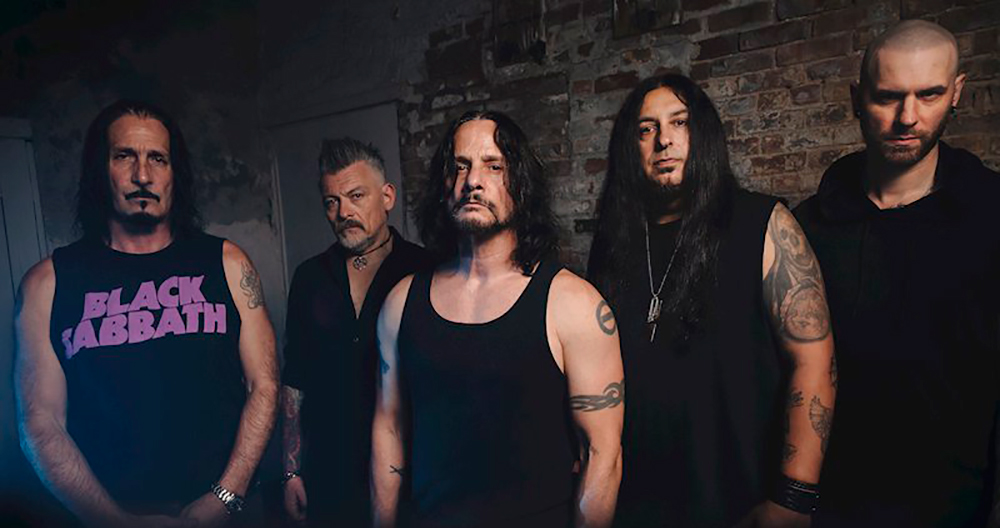
Siete años después de Edge of Existence, Silvertomb regresan con The Interpretation of Nightmares, un segundo álbum que llegará el 13 de noviembre a través de Steamhammer. Al frente continúa Kenny Hickey, cuya trayectoria junto a Type O Negative dejó una huella profunda en la música oscura y pesada. Pero este nuevo trabajo tiene una dimensión especialmente íntima: sus canciones nacieron en una etapa de crisis personal y convirtieron experiencias difíciles en un relato musical de gran carga emocional. En esta entrevista para Metal Hammer España, Hickey habla de la honestidad detrás de las composiciones, del diálogo entre guitarras, piano y teclados, del papel de sus compañeros y de las enseñanzas que todavía conserva de Peter Steele y Josh Silver. También aborda la relación entre el sonido y las imágenes del disco y anticipa su intención de llevar Silvertomb a los escenarios europeos, incluidos los españoles.
Han pasado siete años desde Edge of Existence. Más allá de las circunstancias que frenaron la trayectoria de Silvertomb, ¿qué es lo que más ha cambiado en tu manera de componer? ¿Qué representa hoy para ti esta banda que quizá no representaba en 2019?
Creo que he ganado confianza como compositor desde el último disco. Antes pensaba que algún día se me acabarían las ideas para escribir canciones, pero ahora me he dado cuenta de que siempre hay otra canción dentro de mí. No es algo que simplemente se agote. Para mí, esta banda representa una libertad de expresión absoluta: libertad para componer, interpretar y producir en el estudio.
Has hablado abiertamente de la etapa difícil de tu vida durante la que compusiste buena parte de The Interpretation of Nightmares. Cuando retomaste esas canciones desde una perspectiva personal diferente, ¿sentiste la necesidad de cambiar algo o era fundamental conservar la honestidad emocional con la que nacieron?
Gran parte de la fuerza de esta música reside precisamente en su honestidad. Así que no, era necesario conservarla tal como había sido escrita.
El título del álbum recuerda a La interpretación de los sueños, de Sigmund Freud, pero desplaza la atención hacia las pesadillas. ¿Ves estas canciones como un intento de comprender tus experiencias más oscuras o hay emociones que resultan imposibles de explicar, incluso a través de la música?
La música y las letras son, sin duda, un intento de definir mis propios traumas y demonios. Las letras se acercan a conseguirlo, aunque a veces se quedan cortas. La música, en cambio, sí consigue captar la profundidad y la complejidad de lo que he vivido. La música puede transmitir cualquier emoción sin necesidad de una sola palabra.
Has comentado que «Brain Matter / No God» fue la primera canción que escribiste para el álbum y que su riff central reaparece de distintas formas a lo largo del disco. ¿Esa idea de recurrencia formaba parte de tu visión inicial o la conexión entre las canciones surgió de manera natural durante la composición?
Surgió de manera natural. Seguían apareciéndome nuevas ideas para ese riff y nuevas líneas vocales que podían acompañarlo, así que terminó convirtiéndose en el centro temático del trabajo. Se me ocurría una idea nueva y me gustaba tanto como la primera, de modo que el motivo fue reapareciendo a lo largo del disco.
«Graves in the Sky» nació a partir de una guitarra acústica y un piano, un punto de partida distinto al habitual riff de guitarra pesada. ¿Cómo influyó ese enfoque en el desarrollo de la canción? ¿Te ha abierto nuevas posibilidades compositivas dentro de Silvertomb?
Ya había compuesto con guitarra acústica antes, desde luego. Cambia inmediatamente la perspectiva tonal, porque mi acústica está afinada de forma convencional, a 440 Hz, mientras que la eléctrica la tengo afinada en si estándar. El piano sí fue un enfoque nuevo para mí, y me abrió muchas puertas. Aporta de inmediato una complejidad melódica a la composición.
«No Way to Live» combina un planteamiento musical directo y contundente con una letra sobre el rechazo y el dolor emocional. Cuando transformas experiencias tan personales en canciones, ¿cómo decides si necesitan agresividad, vulnerabilidad o un equilibrio entre ambas?
La música es lo que desencadena el contenido de la letra. Primero llega la música y, si transmite rabia y frustración, busco una letra que encaje con esas emociones, aunque a veces hago justo lo contrario. En ocasiones, una pieza musical hermosa adquiere todavía más fuerza emocional cuando le pones encima una letra oscura.
Otro título especialmente intrigante es «Prayer for the Paranoid». ¿Qué experiencias o ideas inspiraron esta composición y cómo encaja en el paisaje emocional de The Interpretation of Nightmares?
Escribí «Prayer for the Paranoid» pensando en un familiar muy cercano que padece una enfermedad mental grave y en los efectos devastadores que esa situación ha tenido sobre toda mi familia. Es extremadamente traumático ver cómo la mente y la personalidad de alguien se desintegran delante de tus ojos. Por eso añadí esta experiencia al resto de las pesadillas que aborda el álbum.
El disco termina con «When Will You Learn?», un título que casi parece una pregunta dirigida a uno mismo. ¿Representa ese cierre un momento de toma de conciencia personal o habla de la dificultad de romper patrones que nos llevan una y otra vez a cometer los mismos errores?
La canción está dirigida a mi mujer y le plantea esta pregunta: «¿Cuándo vas a aprender que nunca voy a cambiar? ¿Por qué sigues teniendo esperanza si mis actos son siempre los mismos?». Por supuesto, al final sí cambié mi perspectiva y mi manera de actuar, pero cuando escribí la canción parecía haber muy pocas esperanzas de que eso sucediera.
Al hablar de las influencias del álbum has mencionado The Wall, de Pink Floyd; el primer disco de Black Sabbath, y la psicodelia de T. Rex. Son tres universos musicales muy diferentes. ¿Cómo los integraste sin perder la identidad propia de Silvertomb?
También están The Beatles, los trabajos en solitario de John Lennon y el Radiohead de una etapa posterior, como el de OK Computer e In Rainbows. Simplemente mezclo toda la música que me gusta escuchar, todo aquello que me gustaría oír reflejado en mis propias canciones. No me preocupa la identidad de Silvertomb, porque surge de manera natural de esa mezcla de influencias.
Una de las facetas más interesantes de la música pesada y atmosférica es la relación entre el silencio, el espacio y el peso del sonido. ¿Cuáles fueron tus principales prioridades respecto a los tonos de guitarra, los arreglos y la producción de este álbum?
Los tonos de guitarra son fundamentales: constituyen la base de todo. Trabajamos meticulosamente cada sonido de guitarra para que encajara con el estado de ánimo de la canción. A la hora de producir el álbum había dos ideas principales: primero, transportar al oyente hasta el conflicto emocional del protagonista; segundo, llevarlo por un viaje ininterrumpido, como un flujo de conciencia, con altibajos emocionales que le dejen algo sobre lo que reflexionar cuando termine.
Silvertomb reúne músicos procedentes de mundos muy distintos, desde el doom metal y el rock gótico hasta el hardcore punk. ¿Recuerdas algún momento de la creación del álbum en el que la aportación de otro integrante transformara significativamente una de tus ideas originales?
Por supuesto. Los solos de Joe James suelen llevar las canciones a un nivel que yo nunca habría imaginado. Un gran ejemplo es su trabajo hacia el final de «Graves in the Sky»: lleva el tema a un punto culminante que jamás se me habría ocurrido por mi cuenta. También está la parte de órgano que Aaron Joos añadió de manera instintiva a «No Way to Live». Y podría seguir. Me siento afortunado de trabajar con músicos de tanto talento.
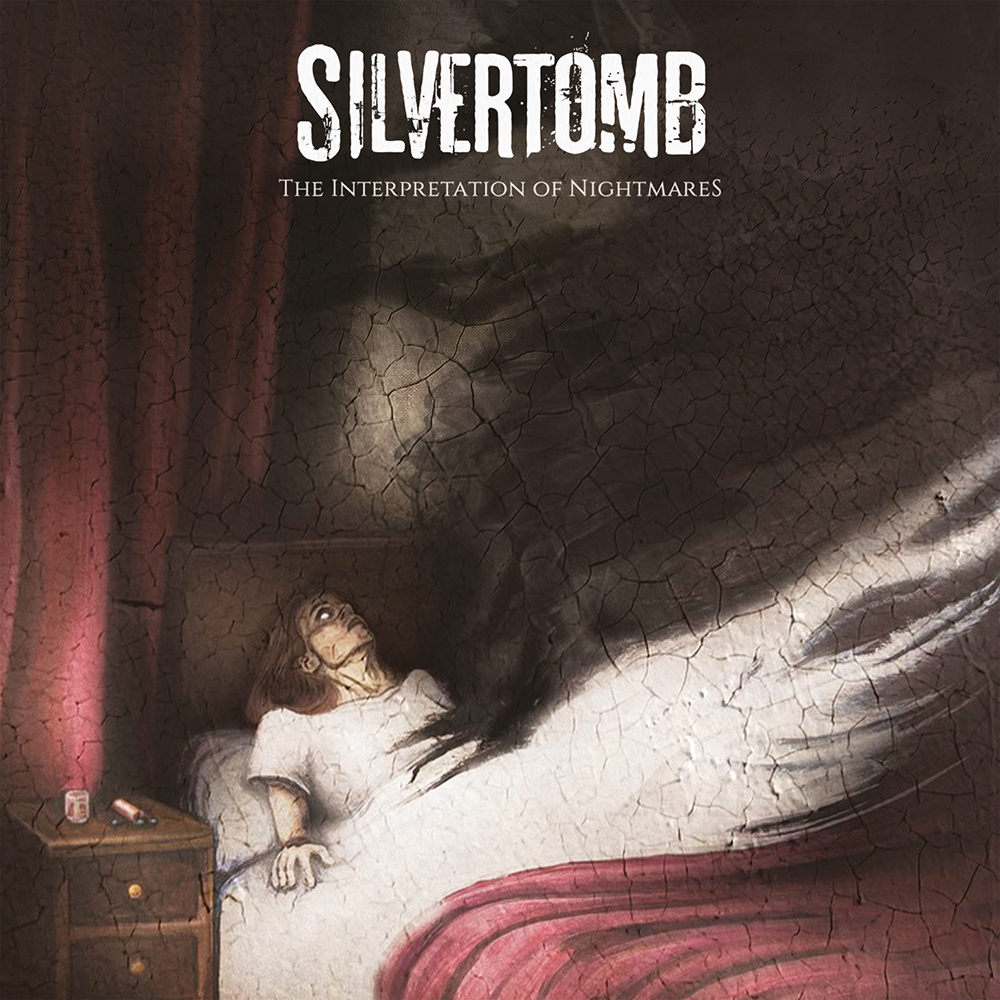
La portada diseñada por Chad Hammett se inspira en La pesadilla, la célebre pintura de Johann Heinrich Füssli. ¿Qué te atrajo de esa obra y hasta qué punto la imagen final refleja los temas psicológicos y emocionales del disco?
Me atrajo el componente de parálisis del sueño que aparece en La pesadilla, porque he sufrido parálisis del sueño durante gran parte de mi vida. El peso del demonio sobre el pecho de la mujer capta muy bien el tema central del disco. Por supuesto, modificamos la imagen y la hicimos más abstracta: ahora la mujer que yace en la cama está siendo consumida por la pesadilla.
Tu relación musical con Johnny Kelly se remonta a varias décadas e incluye vuestra etapa en Type O Negative. Después de tantos años compartidos, ¿qué sigue sorprendiéndote de tocar y crear música juntos? ¿Cómo ha evolucionado esa relación dentro de Silvertomb?
Al componer estas canciones trabajé con una pista de clic. Intento no pensar demasiado en la batería mientras las preparo, así que cuando le envío los temas a Johnny y él me devuelve sus primeras ideas, siempre encuentro algo que me sorprende. A veces necesito un tiempo para acostumbrarme a lo que propone y después me doy cuenta de que tenía razón. En ocasiones discutimos sobre alguna parte y acaba ganando el que más protesta. Normalmente me dejo guiar por su instinto rítmico, porque casi siempre acierta.
Este año se cumple también el trigésimo aniversario de October Rust, de Type O Negative, un álbum enormemente influyente por su atmósfera, sus melodías y su manera poco convencional de entender la música pesada. Al recordar aquellas sesiones, ¿hay alguna lección sobre composición o arreglos que todavía apliques a tu trabajo con Silvertomb?
Conservo todas las lecciones musicales que aprendí durante mis años en Type O Negative, tanto de Peter como de Josh. Todavía utilizo muchas de las técnicas de arreglos y melodía que me enseñó Peter, así como las técnicas de producción e interpretación que aprendí de Josh.
Por último, ahora que The Interpretation of Nightmares marca el regreso de Silvertomb, ¿qué planes tenéis para llevar este material al escenario? ¿Existe la posibilidad de que la banda visite Europa, especialmente España? ¿Qué te gustaría que experimentara el público al escuchar estas canciones en directo?
Lo primero es que sí, vamos a ir a Europa y vamos a ir a España. Me gustaría que la experiencia del público en nuestros conciertos se pareciera mucho a la de escuchar el disco con auriculares. Ahora mismo estamos ensayando estas canciones en directo y suenan increíbles. Creo que nuestro espectáculo en vivo será lo que nos diferencie de otras bandas.
English
Kenny Hickey (Silvertomb): “Music can convey all emotion without a single lyric”
Interview Jose Cardona
Seven years after Edge of Existence, Silvertomb return with The Interpretation of Nightmares, their second album, due on November 13 through Steamhammer. Singer and guitarist Kenny Hickey, whose work with Type O Negative helped shape the sound of heavy, atmospheric music, approaches this record from a deeply personal place: its songs emerged during a difficult period and turned lived experiences into music. In this interview for Metal Hammer España, Hickey talks about creative honesty, guitar tones, piano and keyboards, his bandmates’ contributions, and what he learned from Peter Steele and Josh Silver. He also discusses the album artwork and says he intends to bring Silvertomb to Europe, including Spain.
Seven years have passed since Edge of Existence. Beyond the circumstances that interrupted Silvertomb’s momentum, what has changed most in your approach to songwriting, and what does this band represent to you today that it perhaps didn’t in 2019?
I believe my confidence as a songwriter has grown since the last record. I used to think my song ideas would run out. Now I’ve come to realize that there’s always another song in me. It’s not something that just runs out. This band represents total freedom of expression for me: freedom in writing, performance, and production in the studio.
You’ve spoken openly about the difficult period of your life during which much of The Interpretation of Nightmares was written. When you eventually returned to those compositions from a different personal perspective, did you feel the need to change anything, or was preserving their original emotional honesty essential?
Much of the power in the music lies in its honesty, so no, it needed to be preserved as it was written.
The album’s title recalls Sigmund Freud’s The Interpretation of Dreams, but shifts the focus toward nightmares. Do you see these songs as an attempt to understand your darkest experiences, or are some emotions simply impossible to explain, even through music?
The music and lyrics are definitely an attempt to define my own traumas and demons. Lyrics come close but sometimes fall short of this, but the music really captures the depth and complexity of my experience. Music can convey all emotion without a single lyric.
You’ve mentioned that “Brain Matter / No God” was the first song written for the album and that its central riff reappears in different forms throughout the record. Was this recurring musical theme part of your original vision, or did the idea of connecting the songs develop naturally during the writing process?
It was a natural thing. I kept having new ideas for the riff and new vocal lines to go over it, so it became the thematic center for the work. I’d come up with a new idea and like it as much as the first idea, so it just seemed to carry through.
“Graves in the Sky” began with acoustic guitar and piano, a different starting point from the traditional heavy guitar riff. How did this approach influence the song’s development, and has it opened up new compositional possibilities for Silvertomb?
I’ve written on acoustic before, for sure. It changes the tonal perspective right away, being that my acoustic is tuned to traditional 440, unlike my electric, which is tuned down to B standard. Piano was a new approach for sure, and very door-opening for me. It lends instant melodic complexity to the writing.
“No Way to Live” combines a relatively direct, forceful musical approach with lyrics dealing with rejection and emotional pain. When translating such personal experiences into music, how do you decide whether a song needs aggression, vulnerability, or a balance between the two?
The music is the triggering force behind the lyrical content. The music comes first and if it has anger and frustration in it, I will find lyrics to match that—or sometimes oppose it. Sometimes a beautiful musical piece is made more poignant with dark lyrics over it.
Another particularly intriguing title is “Prayer for the Paranoid”. What ideas or experiences inspired this composition, and how does it fit into the broader emotional landscape of The Interpretation of Nightmares?
“Prayer for the Paranoid” was written about a close family member who suffers from severe mental illness and its degenerating effects on my entire family. It’s extremely traumatic to watch somebody’s mind and personality disintegrate in front of you, so I added it to the rest of the nightmares the album addresses.
The album concludes with “When Will You Learn?”, a title that sounds almost like a question directed at oneself. Does this closing track represent a moment of personal realization, or does it reflect the difficulty of breaking patterns that repeatedly lead us toward the same mistakes?
The song is addressed to my wife, posing the question: When will you learn that I will never change? Why do you still have hope when my actions are always the same? Of course I eventually did change my perspective and actions, but at the time I was writing this there seemed little hope for change.
You’ve described the musical influences behind the album through references to Pink Floyd’s The Wall, Black Sabbath’s debut album, and the psychedelic qualities of T. Rex. These are three very different musical worlds. How did you bring those influences together while maintaining Silvertomb’s own identity?
There’s also Beatles and John Lennon solo stuff and later Radiohead in there, like from OK Computer and In Rainbows. I just mix all the stuff I love to listen to, all the stuff I’d love to hear back to myself, and I don’t worry about the Silvertomb identity because it just comes naturally through the combination of everything in the melting pot.
One of the most interesting aspects of atmospheric heavy music is the relationship between silence, space, and sheer sonic weight. What were your main priorities regarding guitar tones, arrangements, and production when developing the sound of this album?
Guitar tones are all-important—they are the foundation of everything. Each guitar tone was meticulously created to fit the mood of the song. There were two main ideas in producing the album: 1) to transport the listener into the emotional turmoil of the protagonist; 2) to take the listener on an unbroken stream-of-consciousness journey with emotional highs and lows that leaves you with something to contemplate when it’s over.
Silvertomb brings together musicians with very different backgrounds, from doom metal and gothic rock to hardcore punk. Can you recall a particular moment during the creation of this album when another band member’s contribution significantly transformed one of your original ideas?
Of course. Joe James’s lead work often brings the song to a new level that I would never have thought of. A great example of this is his lead work towards the end of “Graves in the Sky,” which just brings the song to a culmination I could’ve never thought of on my own. Aaron Joos’s instinctive organ part he added to “No Way to Live.” The list goes on. I’m blessed that I work with very talented musicians.
The artwork created by Chad Hammett draws inspiration from Henry Fuseli’s famous painting The Nightmare. What attracted you to that particular work of art, and how closely does the final cover represent the psychological and emotional themes explored in the album?
I was attracted to the sleep paralysis aspect of his painting The Nightmare, since I suffered from sleep paralysis most of my life. The weight of the demon on her chest really captures the central theme of the record. We changed it, of course, and made it more abstract, in which the woman on the bed is being consumed by the nightmare.
Your musical relationship with Johnny Kelly goes back several decades, including your years together in Type O Negative. After so much shared history, what continues to surprise you about playing and creating music together, and how has that relationship evolved within Silvertomb?
When creating these songs, they were built around a click track. I try to keep drums out of my mind as much as possible when making them, so when I send the tracks to him and he gives me his first ideas back there’s always surprises in them. Sometimes it takes me a bit to get used to his ideas and then I realize he’s right. Sometimes we’ll argue about a part and whoever bitches the loudest wins. I usually go with his rhythmic instincts, though, because he’s usually right.
This year also marks the 30th anniversary of Type O Negative’s October Rust, an album that remains enormously influential because of its atmosphere, melodies, and unconventional approach to heavy music. Looking back on those recording sessions, is there a particular lesson about songwriting or musical arrangements that you still carry into your work with Silvertomb today?
I carry all the musical lessons Type O taught me over the years between both Peter and Josh. I still use much of the arrangement and melody techniques Peter taught me and the production and performance techniques Josh taught me.
Finally, with The Interpretation of Nightmares marking Silvertomb’s return, what are your plans for taking this material to the stage? Is there a possibility of bringing the band to Europe, particularly Spain, and what would you most like audiences to experience when hearing these songs live?
First, yes, we are going to come to Europe and we are going to come to Spain. And I would like the audience’s experience of the live show to be much like the experience of listening to the record with headphones. We’re rehearsing the stuff live now and it sounds amazing. I think our live show is what’s gonna set us apart from other bands.