Castellano
Blood Of The Innocent, la identidad del metal clásico y la importancia de preservar el sonido humano
Entrevista: Jose Cardona
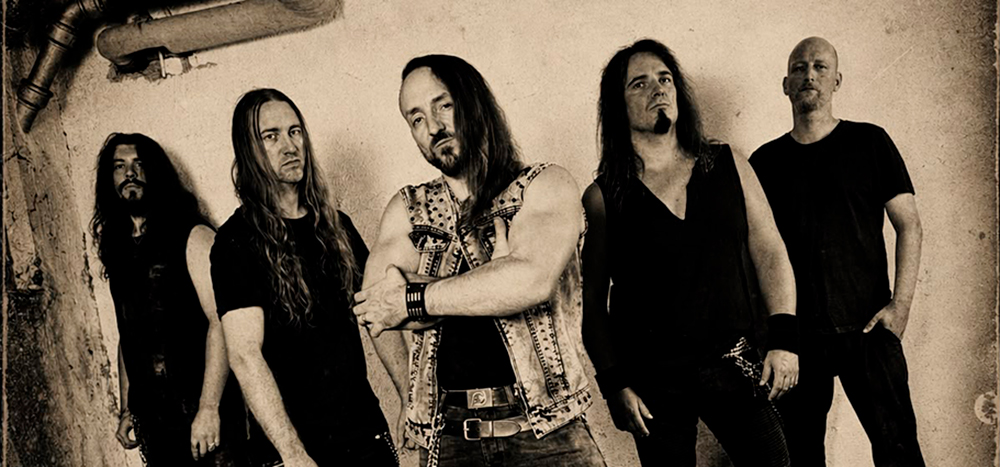
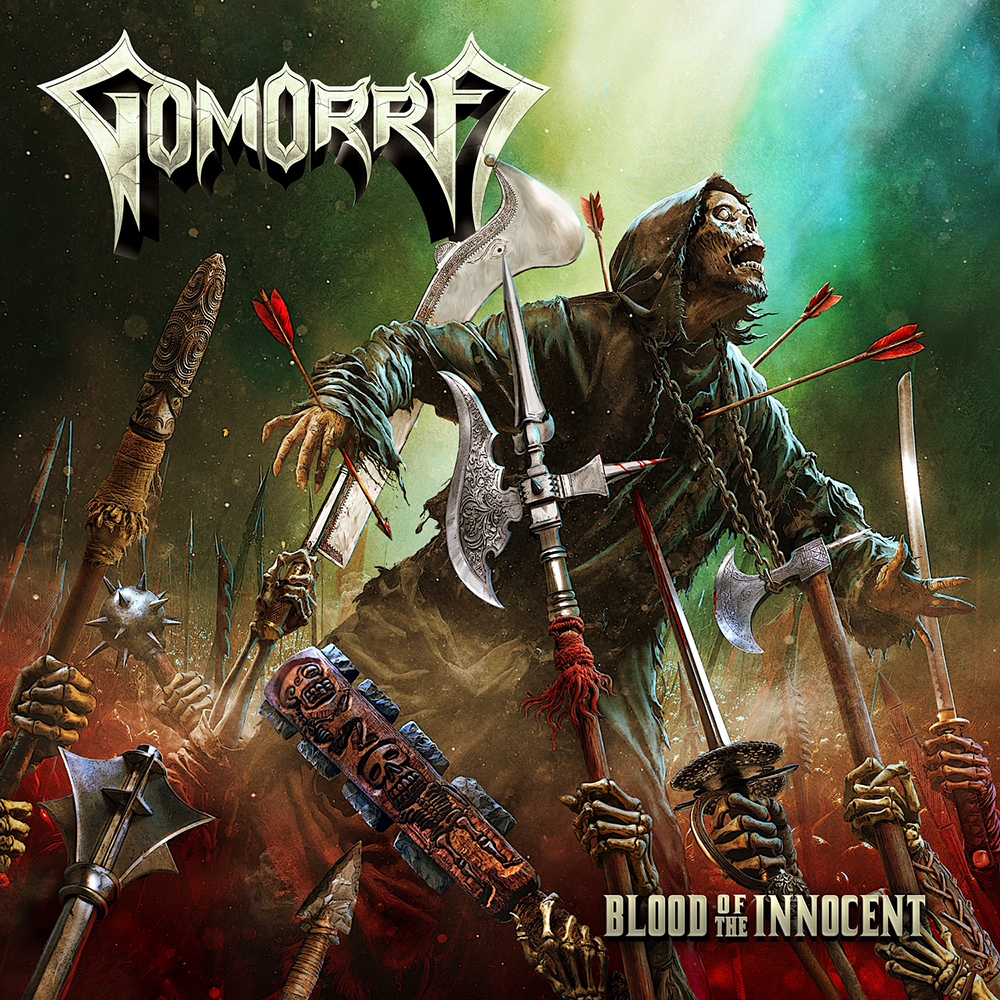
Gomorra regresa con Blood Of The Innocent, su tercer álbum de estudio, cuyo lanzamiento está previsto para el 13 de noviembre de 2026 a través de Noble Demon. Tras Divine Judgement (2020) y Dealer Of Souls (2022), la formación suiza continúa desarrollando una propuesta que combina la agresividad del thrash metal, la fuerza melódica del power metal estadounidense y la tradición del heavy metal clásico. Al frente del proyecto se encuentra Damir Eskic, también guitarrista de Destruction, quien ha encontrado en Gomorra un espacio para explorar una faceta diferente de su identidad musical. En esta conversación, Eskic reflexiona sobre las diferencias creativas entre sus dos bandas, la temática social del nuevo trabajo y la evolución de un sonido que apuesta por la contundencia sin sacrificar la melodía. También aborda su rechazo a las producciones excesivamente artificiales, la importancia de utilizar instrumentos y amplificadores reales y una filosofía compositiva en la que la libertad artística prevalece sobre las expectativas del público.
Gomorra comenzó como un espacio donde podías desarrollar ideas que no encajaban completamente en Destruction, especialmente esa combinación de power metal estadounidense y agresividad thrash. Ahora que llegáis al tercer álbum, ¿sigue existiendo una frontera clara entre lo que compones para Gomorra y lo que reservarías para Destruction, o ambas facetas de tu identidad como compositor se han ido acercando?
Damir Eskic: Sí. Para mí es importante seguir creando este tipo de música, un estilo con el que también empecé hace mucho tiempo. Por supuesto, existen diferencias entre el material de Destruction y los riffs y las ideas de Gomorra.
Seguimos trabajando juntos como antes. Jonas, nuestro cantante, y yo intentamos encontrar buenas melodías que encajen con la temática. Las letras abordan asuntos que siguen repitiéndose a lo largo de la historia, y esa es una de las razones por las que continuamos trabajando sobre ellos.
Definitivamente, estos dos estilos forman parte de mi identidad musical y disfruto muchísimo de ambos. Pero también tienen algo en común: ¡los dos son metal de la vieja escuela!
Los títulos de canciones como «Rising Nation», «Supreme Hate», «Friend Of War», «Cycle Of Decay» y «Endless Sacrifice» parecen compartir un lenguaje relacionado con el poder, la violencia y el deterioro social. ¿Existe un hilo conceptual deliberado entre las nueve canciones o consideras el álbum una colección de observaciones sobre el mundo actual?
Damir Eskic: Vemos este álbum como una respuesta a cómo es la humanidad en nuestros días. Ves y escuchas odio por todas partes.
Pero también establecemos una conexión con el pasado. Antes, todo esto era incluso más sangriento. Al final, somos creadores de arte y, en cierto modo, también un espejo que refleja esas realidades, trasladando las noticias actuales a nuestra música.
Desde Divine Judgement hasta Dealer Of Souls, Gomorra fue definiendo una identidad entre el heavy, el power y el thrash metal. ¿Llegó un momento durante la creación de este tercer disco en el que dejasteis de pensar en combinar estilos y comenzasteis a componer desde una identidad que ya reconocéis como exclusivamente vuestra?
Damir Eskic: ¡Exactamente! Así es como definimos nuestro estilo y me encanta.
Estoy muy contento de que todavía tengamos tiempo para componer, tocar y grabar. Últimamente he estado bastante ocupado, así que para mí es muy importante poder seguir desarrollando también este tipo de música.
Hace algunos años hablaste de la importancia de evitar un sonido de metal demasiado plástico o excesivamente procesado. Al mismo tiempo, Blood Of The Innocent busca una producción moderna y poderosa. ¿Cómo encuentras actualmente el equilibrio entre la precisión contemporánea y la necesidad de conservar ese carácter humano y peligroso que el heavy metal todavía necesita?
Damir Eskic: ¡Ahora me gustan todavía menos los sonidos plásticos!
Sí, tenemos una producción moderna, pero tocamos nosotros mismos cada una de las notas. Los instrumentos son reales y los amplificadores también. Esa es una parte muy importante de nuestras vidas. Se puede conseguir una producción moderna, con un sonido grueso y potente, pero la música tiene que estar interpretada por músicos y utilizando amplificadores reales.
Si escuchas el álbum con mucha atención, estoy seguro de que encontrarás pequeños errores aquí y allá. Pero esa es precisamente la parte humana.
Blood Of The Innocent no es un álbum perfecto, pero es una declaración de lo que representa una banda de heavy metal en la actualidad. También representa al rock en general y la manera en que tocaban las leyendas del pasado.
Una de las características de Gomorra es que la agresividad nunca elimina completamente la melodía. Cuando empieza a tomar forma una canción, ¿qué suele aparecer primero: el riff que establece su violencia, una melodía que le da personalidad o una idea lírica que determina hacia dónde debe avanzar la música?
Damir Eskic: Depende de cada canción. A veces decidimos algo en el estudio en el último momento: «Oye, aquí necesitamos una melodía, un grito o cualquier otra cosa». Lo importante es el camino que seguimos, porque así es como termina apareciendo la creatividad.
Diría que tenemos algo que expresar con Gomorra, y vamos a seguir adelante, componiendo música y ofreciendo conciertos. En general, creo que hemos encontrado nuestro estilo y nos encanta.
Tu experiencia tocando thrash metal a gran escala con Destruction te proporciona una perspectiva particular sobre lo que funciona frente al público. ¿Ha cambiado esa experiencia tu manera de componer para Gomorra, especialmente a la hora de distinguir entre un riff que funciona en el estudio y otro capaz de provocar una reacción inmediata sobre el escenario?
Damir Eskic: Cuando empezamos a trabajar en las canciones de Gomorra, nos aislamos completamente de cualquier consideración sobre la reacción del público.
Quizá sea un error, pero para esta banda es importante que el resultado final se desarrolle de esa manera. Después, durante los ensayos o los conciertos, descubrimos qué canciones funcionan mejor con la audiencia. Pero cuando componemos no pensamos en el público. El arte es demasiado importante. Necesitamos tranquilidad y concentrarnos únicamente en crear nuestra música.
Después de tres álbumes, Gomorra tiene suficiente trayectoria para ser valorada más allá de su conexión con Destruction. ¿Sientes que Blood Of The Innocent es el disco con el que la banda puede establecer definitivamente una identidad independiente de los demás proyectos de sus integrantes?
Damir Eskic: Gomorra es mi antigua banda y lleva formando parte de mi vida muchísimo tiempo.
Antes de cambiar el nombre, ya habíamos grabado seis álbumes y hemos actuado por toda Europa. Ahora llega nuestro tercer álbum como Gomorra, y es una sensación fantástica seguir teniendo la capacidad de crear música y, al final, poder vivir de ella.
Por eso Gomorra tiene una identidad completamente propia como banda, al igual que los músicos que están detrás de toda esta música.
Si alguien llega al final de Blood Of The Innocent y comprende realmente lo que Gomorra quería expresar en 2026, ¿qué pregunta te gustaría que permaneciera en su mente después de escuchar «Endless Sacrifice»?
Damir Eskic: Este tipo de música ya no se encuentra con tanta frecuencia. ¡Así que volved a escucharla y compartidla con vuestros amigos!
English
Damir Eskic (Gomorra): Blood Of The Innocent, the identity of classic metal and the importance of preserving a human sound
Interview: Jose Cardona
Gomorra return with Blood Of The Innocent, their third studio album, scheduled for release on November 13, 2026 through Noble Demon. Following Divine Judgement (2020) and Dealer Of Souls (2022), the Swiss band continue to develop a sound that combines thrash metal aggression, the melodic strength of American power metal, and the tradition of classic heavy metal. Leading the project is Damir Eskic, also guitarist for Destruction, who has found in Gomorra a space to explore another side of his musical identity. In this conversation, Eskic reflects on the creative differences between his two bands, the new record’s social themes, and the evolution of a sound that embraces power without sacrificing melody. He also discusses his rejection of overly artificial productions, the importance of real instruments and amplifiers, and a songwriting philosophy in which artistic freedom takes precedence over audience expectations.
Gomorra began as a space where you could develop ideas that did not fully fit within Destruction, particularly that combination of US-style power metal and thrash aggression. Now that you are reaching your third album, is there still a clear boundary between what you write for Gomorra and what you would reserve for Destruction, or have those two sides of your identity as a songwriter started to move closer together?
Damir Eskic: Yes. For me, it is important to keep creating this kind of music, a style I also started with a long time ago. Of course, there are differences between Destruction’s material and Gomorra’s riffs and ideas.
We still work together as we did before. Jonas, our singer, and I try to find good melodies that fit the themes. The lyrics deal with things that keep repeating throughout history, and that is one of the reasons we continue to explore them.
These two styles have definitely become part of my musical identity, and I enjoy both very much. But they also have something in common: they are both old-school metal!
Song titles such as “Rising Nation,” “Supreme Hate,” “Friend Of War,” “Cycle Of Decay” and “Endless Sacrifice” seem to share a language connected to power, violence and social deterioration. Is there a deliberate conceptual thread running through the nine songs, or do you see the album more as a collection of observations about the world we live in?
Damir Eskic: We see this album as a response to what humanity is like nowadays. You see and hear hatred everywhere.
But we also make a connection to the past. Back then, all of this was even bloodier. In the end, we are creators of art and, in a way, a mirror reflecting those realities, translating today’s news into our music.
From Divine Judgement to Dealer Of Souls, Gomorra gradually defined an identity somewhere between heavy, power and thrash metal. On this third record, was there a point when you stopped thinking in terms of combining styles and simply started writing from an identity you now recognize as entirely your own?
Damir Eskic: Exactly! That is how we define our style, and I love it.
I am very happy that we still have time to compose, play and record. I have been quite busy lately, so it is very important to me to be able to keep developing this kind of music as well.
A few years ago, you spoke about the importance of avoiding a metal sound that feels too plastic or overly processed. At the same time, Blood Of The Innocent aims for a modern, powerful production. How do you find the balance today between contemporary precision and preserving the human, dangerous quality that heavy metal still needs?
Damir Eskic: I dislike plastic sounds even more now!
Yes, we have a modern production, but we play every single note ourselves. The instruments are real, and so are the amplifiers. That is a very important part of our lives. You can have a modern production with a thick, powerful sound, but the music has to be played by musicians using real amplifiers.
If you listen to the album very carefully, I am sure you will find little mistakes here and there. But that is precisely the human part. Blood Of The Innocent is not a perfect album, but it is a statement of what a heavy metal band represents today. It also represents rock music in general and the way the legends played in the past.
One of Gomorra’s defining qualities is that aggression never completely removes the melody. When a song begins to take shape, what usually comes first: the riff that establishes its violence, a melody that gives it personality, or a lyrical idea that determines where the music needs to go?
Damir Eskic: It depends on the song. Sometimes we decide something in the studio at the very last moment: ‘Hey, we need a melody here, or a scream, or whatever.’
What matters is the path we take, because that is how creativity eventually emerges. I would say we have something to express with Gomorra, and we will keep going, writing music and playing shows. In general, I think we have found our style, and we love it.
Your experience playing thrash metal on a large scale with Destruction gives you a particular perspective on what works in front of an audience. Has that experience changed the way you write for Gomorra, especially when it comes to recognizing the difference between a riff that works in the studio and one that provokes an immediate reaction onstage?
Damir Eskic: When we start working on Gomorra songs, we completely isolate ourselves from any thoughts about the audience’s reaction.
Maybe that is a mistake, but for this band it is important that the final result develops that way. Later, during rehearsals or shows, we discover which songs work better with the audience. But when we compose, we do not think about the crowd. Art is too important. We need peace and quiet and to focus only on creating our music.
After three albums, Gomorra have enough history to be judged beyond the connection with Destruction. Do you feel that Blood Of The Innocent is the record on which the band can fully establish an identity independent of the other projects associated with its members?
Damir Eskic: Gomorra is my old band, and it has been part of my life for a very long time.
Before we changed the name, we had already recorded six albums and performed across Europe. Now our third album as Gomorra is coming, and it feels fantastic to still be able to make music and, ultimately, make a living from it.
That is why Gomorra have an identity entirely their own as a band, as do the musicians behind all this music.
If someone reaches the end of Blood Of The Innocent and truly understands what Gomorra wanted to express in 2026, what question would you like to remain in their mind after hearing “Endless Sacrifice”?
Damir Eskic: You do not find this kind of music so often anymore. So listen to it again and share it with your friends!