Castellano
Erik Molarin: «No Estamos Aquí Para Complacer A Nuestros Fans, Sino Para Ser Nosotros Mismos»
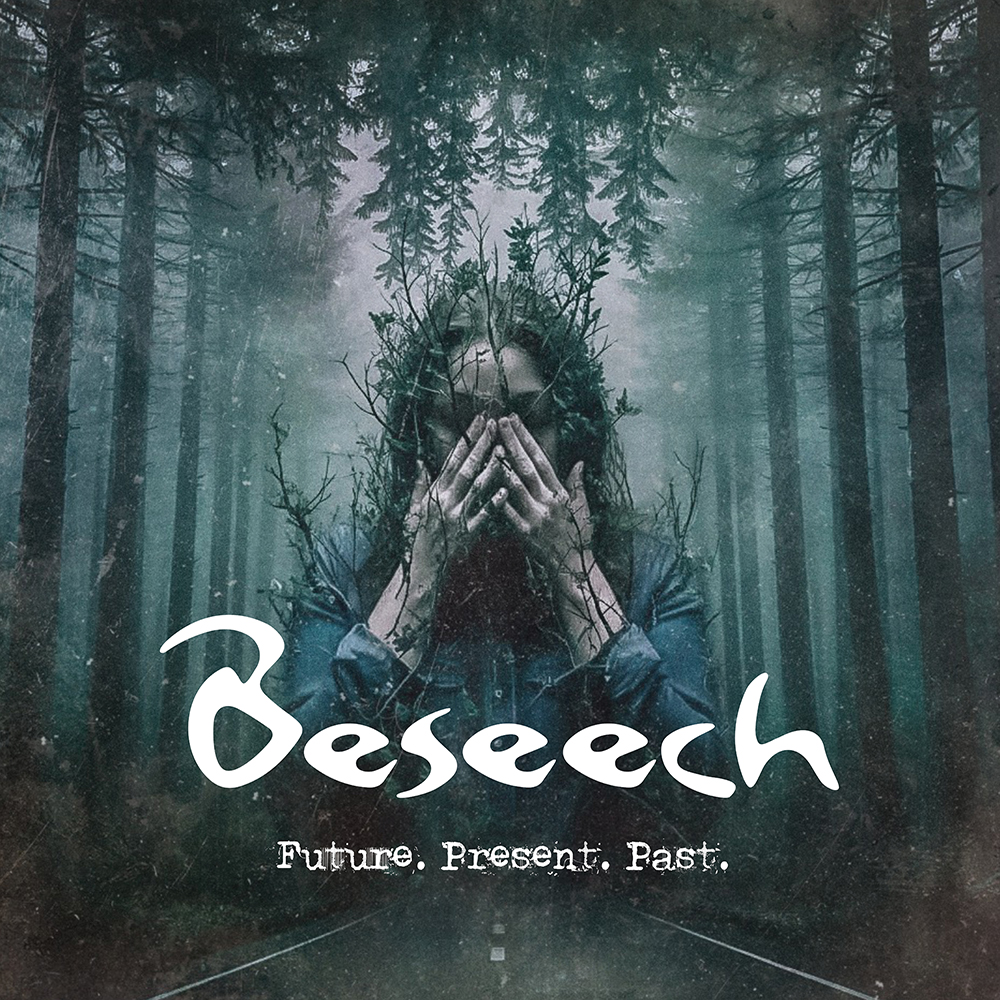
Veinte años después de que Beseech pusiera punto final a una etapa de su historia y una década después de My Darkness, Darkness, los pioneros suecos del gothic metal vuelven a mirar hacia delante con Future. Present. Past.. No se trata, según Erik Molarin, de vivir de la nostalgia ni de intentar reconstruir artificialmente el pasado, sino de recuperar una química creativa que nunca terminó de desaparecer. En esta conversación con Metal Hammer España, Erik habla sin demasiados filtros del regreso de la banda, de su conexión con Lotta Höglin, del paso del tiempo, de las heridas que alimentan las nuevas canciones y de una idea que parece estar muy clara: Beseech han regresado para seguir siendo ellos mismos, no para convertirse en una pieza de museo.
Texto: Ricard Altadill / Fotos: Sabine van Gameren
Han pasado diez años desde My Darkness, Darkness y veinte desde que Beseech decidió poner fin a su trayectoria en 2006. Así que empecemos por la pregunta evidente: ¿por qué ahora? ¿Qué ocurrió entre vosotros para que 2026 pareciera finalmente el momento adecuado para traer de vuelta a Beseech?
Erik Molarin: Fue la noche del vigésimo aniversario de nuestro álbum Drama cuando los planetas se alinearon y todos vimos con claridad que aquello era lo que teníamos que hacer. Echábamos de menos crear cosas juntos y lo sentimos así. Beseech había quedado situado en un lugar que simplemente no nos parecía el correcto. Sentíamos que, después de todos estos años, todavía podíamos aportar algo a la escena y no limitarnos simplemente a repetirnos.
Las reuniones de bandas pueden producirse por muchas razones: nostalgia, amistad, asuntos pendientes, dinero o simplemente porque realmente echas de menos hacer música juntos. ¿Cuál de todas ellas se acerca más a la verdad en el caso de Beseech?
Sin duda es la parte creativa, echábamos de menos hacer música juntos. La amistad, e incluso quizá la nostalgia, llegan como una especie de bonus escondido. Cuando haces un álbum atraviesas todo un proceso junto a otras personas, y es algo muy bonito. Creo que lo habíamos echado de menos mucho más de lo que ninguno de nosotros imaginaba.
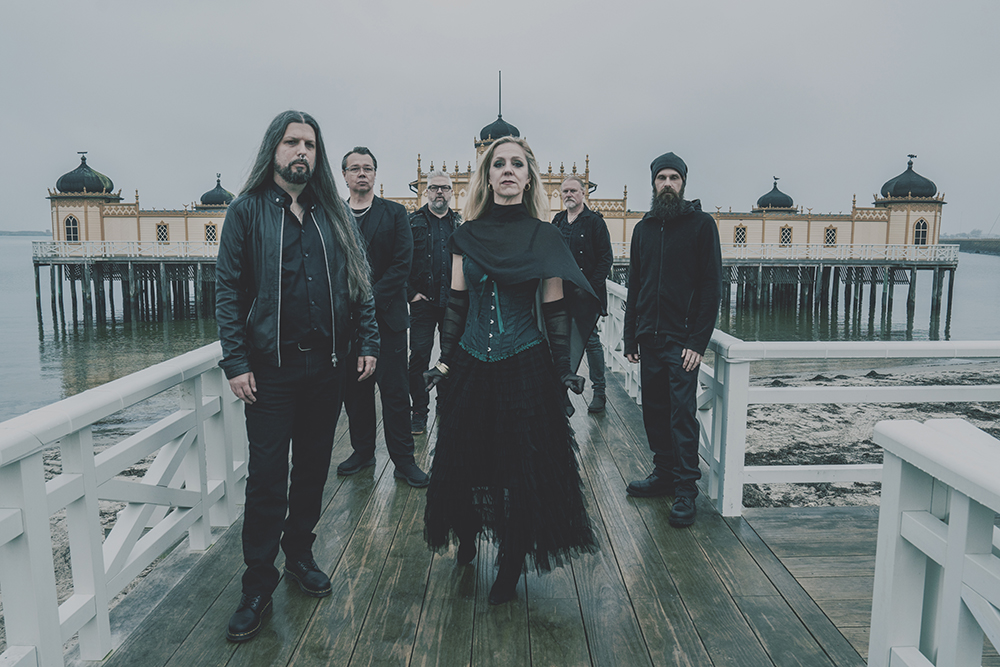
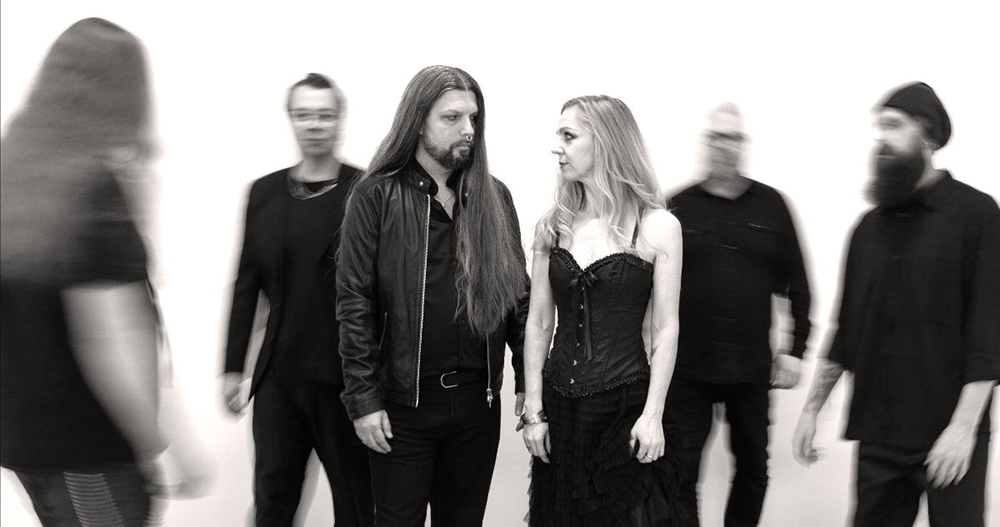
El regreso conjunto de Erik Molarin y Lotta Höglin significa mucho para los seguidores de Beseech de toda la vida, pero me interesa más el lado humano. ¿Qué habéis descubierto el uno del otro ahora que quizá no comprendíais completamente hace veinte años? ¿Sois mejores compañeros musicales precisamente porque ya no sois las mismas personas que erais entonces?
Lotta Höglin y yo hemos tenido proyectos musicales después de que Beseech quedara aparcado en 2006. Durante todos estos años, tanto con The Mary Major como con Last Train to Venice, hemos construido una conexión todavía más fuerte, especialmente durante el proceso de grabación. Sabemos qué podemos hacer y qué no, y tenemos nuestro propio lenguaje para empujar al otro un poco más lejos, siempre de la manera más amable posible, por supuesto. Ahora somos más conscientes de nuestras limitaciones, pero también de nuestras fortalezas. Así que sí, ahora es mejor, más controlado y más maduro.
Future. Present. Past. parece un título casi perfecto para el momento en el que se encuentra Beseech: una banda con una historia importante que intenta existir en 2026 sin convertirse en una pieza de museo de sí misma. ¿Cuánto hay en este álbum de mirar hacia atrás y cuánto de definir lo que Beseech quiere ser a partir de ahora?
Todos existimos, de alguna manera, dentro del propio título del álbum. El disco nació directamente de nuestro pozo de ideas, sin mirar realmente hacia el pasado. Pero para nosotros es muy importante respetar de dónde venimos. Beseech ha significado muchísimo para todos nosotros durante estos años y me parecería absurdo trabajar en un álbum intentando que no sonara a lo que Beseech representa para mí. Pero eso no significa convertirlo en una pieza de museo. Yo lo veo más bien como que tenemos un estilo que, en realidad, es más o menos atemporal.
Siempre existe un equilibrio complicado para una banda con discos como …From a Bleeding Heart, Black Emotions o Souls Highway. Los fans dicen que quieren evolución, pero al mismo tiempo muchos quieren volver a sentir exactamente lo mismo que sintieron hace veinte años. ¿Hasta qué punto fuisteis conscientes de no limitaros simplemente a alimentar esa nostalgia?
Creo que prácticamente acabo de responder a eso. Somos Beseech, y lo que creemos sonará a Beseech. Si escuchar nuestras nuevas canciones te provoca nostalgia, me alegro por ti. Si piensas que nos hemos alejado demasiado de nuestro género, bueno, quizá tengas razón. No estamos aquí para complacer a nuestros fans. Estamos aquí para ser nosotros mismos, y parece que precisamente ESO es lo que les gusta a nuestros seguidores. Así que nos ha salido bien.
Vamos a ir un poco más allá. ¿Llegasteis a rechazar alguna canción, riff o arreglo porque sonaba demasiado al “viejo Beseech”? ¿Puede una banda con una identidad tan reconocible terminar atrapada dentro de su propio sonido?
No, nunca rechazamos nada por esa razón. Y sí, una banda puede quedar absolutamente atrapada en eso. Pero tampoco veo necesariamente cuál es el problema. Mientras nadie salga herido, las bandas pueden hacer lo que quieran con su música. Hay grupos que llevan décadas sonando prácticamente igual y sigue habiendo gente a la que les gustan.
Títulos como “Ambiguous Mind”, “Hesitation”, “Still Lost” o “Between Worlds” transmiten incertidumbre, conflicto interior y personas atrapadas entre diferentes estados emocionales. ¿Qué estaba ocurriendo en vuestras vidas mientras escribíais estas canciones? ¿Es este uno de los discos más personales que Beseech ha grabado?
Para mí es, sin duda, el álbum más personal. No voy a empezar a explicar las letras, pero desde luego no son obras de ciencia ficción. Todo está conectado con cosas que nos rodean y con lo que ha ido ocurriendo en nuestras vidas desde 2006.
“Hesitation” resulta un título especialmente interesante para una banda que regresa después de tantos años. ¿Sobre qué dudasteis más durante todo este proceso? ¿Hubo algún momento real en el que alguno de vosotros pensara: “Quizá Beseech debería quedarse simplemente en el pasado”?
Ese pensamiento estuvo en mi cabeza entre 2006 y 2024. Por muchas razones, no creía que Beseech fuese a regresar. Pero cuando te encuentras prácticamente con la misma formación de “Sunless Days”, las dudas desaparecen.
Cuando Beseech comenzó en Borås a principios de los noventa, vuestra idea del futuro debía ser muy distinta de la realidad que estáis viviendo ahora. Si hoy pudieras sentarte delante de aquellos jóvenes músicos que grabaron “Tears” en 1995, ¿qué les dirías? ¿Y qué crees que pensarían ellos de las personas en las que os habéis convertido?
Una de las cosas que he aprendido con los años es a no arrepentirme. Así que la respuesta aburrida es que no les diría absolutamente nada. Hicieron exactamente lo que tenían que hacer en el momento adecuado.
Beseech ya estaba ahí antes de que el gothic metal se convirtiera en una escena enorme y perfectamente definida. Más adelante, el género llegó en algunos momentos a convertirse casi en una fórmula: determinadas combinaciones vocales, una estética concreta, ciertos estados de ánimo… ¿Llegasteis a sentir que una escena que habíais ayudado a construir terminó simplificando o diluyendo algunas de las ideas que vosotros explorabais originalmente?
Una de las cosas que creo que Beseech hizo bien fue NO formar parte de aquella fórmula de “la bella y la bestia”, con un hombre haciendo voces guturales y una mujer con voz operística o angelical. Algunas bandas lo hacen realmente bien, así que no tengo absolutamente nada contra ellas. Pero nosotros utilizábamos voces masculinas limpias y unas voces femeninas mucho más terrenales, y eso nos diferenciaba del resto. Y seguimos haciéndolo porque es la manera que mejor refleja las letras y nuestras composiciones en conjunto.
Hay un tema sobre el que pocas veces se pregunta directamente a las bandas veteranas: el tiempo. Cuando eres joven parece infinito; después comprendes que no lo es. ¿Eso te ha convertido en un mejor compositor? ¿Tenéis ahora menos paciencia para los egos, las discusiones absurdas y los compromisos que no llevan a ninguna parte?
Siempre hemos sido unos pesimistas que se machacan a sí mismos, así que no sé si estoy del todo de acuerdo con eso. [Ríe]. Hablando en serio, creo que hemos crecido mucho dentro del proceso creativo, pero no diría que el paso del tiempo nos haya afectado tanto como toda esa palabrería innecesaria.
Terminemos volviendo al título. Imaginemos que dentro de diez años alguien descubre Future. Present. Past.. ¿Qué te gustaría que entendiera sobre las personas que hicieron este disco en 2026? Y, sobre todo, ¿este álbum marca realmente el comienzo de un nuevo capítulo para Beseech o habéis aprendido a no hacer promesas sobre el futuro?
Creo que las letras dejan bastante claro qué clase de banda somos y qué clase de personas somos. Estamos enamorados del proceso creativo y, ahora mismo, no veo otro camino que continuar. Aunque la muerte y los corazones rotos siempre pueden cruzarse en el camino.
Por el momento no hay fechas anunciadas en España y Beseech siempre ha contado con seguidores muy fieles en el sur de Europa. ¿Existen planes para traer “Future. Present. Past.” a España? ¿Podemos pensar realmente en volver a ver a Beseech tocando aquí en un futuro próximo?
Nuestro objetivo es llevar este espectáculo a la carretera. Cómo, cuándo y dónde es algo de lo que todavía no podemos hablar. Pero seguidnos en las redes sociales y os mantendremos informados. ¡Queremos estar allí!
Facebook: https://www.facebook.com/beseechofficial
Instagram: https://www.instagram.com/beseechofficial/
YouTube: https://www.youtube.com/@beseechofficial/featured
Spotify: https://open.spotify.com/artist/3FOq0lTi6Yir8IDs6eOH5b?si=EgE0wnMpRJSDK01yVFj66g
Apple Music: https://music.apple.com/se/artist/beseech/54671918
Bandcamp: https://beseech.bandcamp.com/music
English
Beseech: Erik Molarin talks “Future. Present. Past.” and the band’s return
Twenty years after Beseech brought one chapter of their story to an end, and a decade after My Darkness, Darkness, the Swedish gothic metal pioneers are once again looking forward with Future. Present. Past.. According to Erik Molarin, this return is not about living off nostalgia or artificially rebuilding the past, but about rediscovering a creative chemistry that never completely disappeared. In this conversation with Metal Hammer Spain, Erik speaks openly about the band’s return, his connection with Lotta Höglin, the passing of time, the personal experiences behind the new songs and one idea that seems very clear: Beseech are back to remain themselves, not to become a museum piece.
Text: Ricard Altadill / Photos: Sabine van Gameren
Erik Molarin: “we’re not here to please our fans. we’re here to be ourselves”
It’s been ten years since My Darkness, Darkness and twenty years since Beseech originally called it a day in 2006. So, let’s start with the obvious question: why now? What happened between you that made 2026 feel like the right time to properly bring Beseech back?
Erik Molarin: It was the night of the 20th anniversary of our album Drama when the planets aligned and it all stood clear to us that this was the right thing to do. We missed creating things together, and we felt that. Beseech had been put in a place that just didn’t feel right. We felt that after all these years we could add something to the scene, and not just repeat ourselves.
Band reunions can happen for all sorts of reasons — nostalgia, friendship, unfinished business, money, or simply because you genuinely miss making music together. Which of those comes closest to the truth in Beseech’s case?
It is absolutely that creative part, that we missed making music together. Friendship and maybe even nostalgia come as a hidden bonus. When making an album, you’re going through a process together, and it’s a very beautiful thing. And we’d missed that more than any of us expected, I think.
The return of Erik Molarin and Lotta Höglin together obviously means a lot to long-time Beseech fans, but I’m more interested in the human side of it. What have you discovered about each other now that perhaps you didn’t fully understand twenty years ago? Are you actually better musical partners today because you’re no longer the same people you were back then?
Lotta Höglin and I have had musical projects after Beseech was put to rest in 2006. During all these years, with both The Mary Major and Last Train to Venice, we have built up an even stronger connection, mostly in the recording process. We know what we can and cannot do, and we have our own language to push the other person further, in the kindest way, of course. We are now more aware of our limits, and also our strengths. So yes, it’s better, more controlled and more mature.
Future. Present. Past. feels like an almost perfect title for where Beseech are right now: a band with a strong history trying to exist in 2026 without becoming a museum piece of its former self. How much of this album is looking backwards, and how much is about defining what Beseech wants to be from this point onwards?
We’re all existing within the title of the album. The album was created straight from our well of ideas, without really looking into the past. But it is very important for us to pay respect to where we come from. Beseech has meant a lot to all of us over the years, and I would feel stupid working towards making the album sound unlike what Beseech feels like to me. But that does not make it a museum piece. I see it more like we have a style that is actually more or less timeless.
There’s always a difficult balance for a band with records like …From a Bleeding Heart, Black Emotions and Souls Highway. Fans say they want progression, but at the same time many of them want to feel exactly what they felt twenty years ago. How conscious were you of not simply feeding that nostalgia?
I think I just gave you the answer above. We are Beseech, and what we create will sound like Beseech. If you feel nostalgic listening to our new songs, I’m happy for you. If you feel we’re too far outside our genre, well, maybe you’re right. We’re not here to please our fans. But we are here to be ourselves, and it seems like THAT is what our fans like. So, good for us.
Let me push that a little further. Did you ever reject a song, a riff or an arrangement because it sounded too much like “old Beseech”? Can a band with such a recognisable identity eventually become trapped by its own sound?
No, not for that reason. And yes, a band can absolutely get trapped in that. But I don’t really see the problem in that either. As long as no one gets hurt, bands can do what they want with their music. There are bands that have sounded the same for decades, and some people still like it.
Titles like “Ambiguous Mind”, “Hesitation”, “Still Lost” and “Between Worlds” suggest uncertainty, inner conflict and people caught between different emotional states. What was going on in your lives while these songs were being written? Is this one of the most personal records Beseech has ever made?
For me it is absolutely the most personal album. I will not start explaining the lyrics, but they are not works of science fiction. It’s all connected to things around us, and what has been happening in life since 2006.
“Hesitation” is an interesting title for a band returning after so many years. What did you hesitate about most during this whole process? Was there ever a genuine moment when one of you thought, “Maybe Beseech should simply remain in the past”?
That thought was in my mind between 2006 and 2024. I did not think that Beseech would come back, for many reasons. But when you saw basically the same line-up as on “Sunless Days”, the hesitation was gone.
When Beseech started in Borås in the early ’90s, your idea of the future must have looked very different from the reality you’re living now. If you could sit down today with the young musicians who recorded “Tears” in 1995, what would you tell them? And what do you think they would make of the people you are now?
One thing I have learned over the years is not to have regrets. So the boring answer is that I would not tell them anything. They did absolutely the right thing at the right moment.
Beseech were around before gothic metal became a huge and clearly defined scene. Later, the genre sometimes became almost formulaic — certain vocal combinations, certain imagery, and certain moods. Did you ever feel that a scene you had helped shape eventually simplified or diluted some of the ideas you were originally exploring?
One thing I think Beseech did well was NOT to be part of the beauty-and-the-beast formula, with a growling man and an opera/angel woman. Some bands do that great, so no bad blood there. But what we did, with clean male vocals and more down-to-earth female vocals, kept us apart from the others. And we’re still going with that because that reflects the lyrics best, and our creations as a whole.
There’s one subject veteran bands are rarely asked about directly: time. When you’re young, it feels endless. Later, you understand that it isn’t. Has that made you a better songwriter? Do you have less patience now for egos, pointless arguments and compromises that lead nowhere?
We’ve always been self-loathing pessimists, so I don’t know if I agree with this. [Laughs]. Seriously, I think we’ve grown in the creative process, but we’re not affected by time as much as by unnecessary blabber.
Let’s finish by going back to the title. Imagine someone discovering “Future. Present. Past.” ten years from now. What would you like them to understand about the people who made this record in 2026? And does this album mark the beginning of a genuinely new chapter for Beseech, or have you learned not to make promises about the future?
I think the lyrics speak pretty clearly about what kind of band and what kind of people we are. We’re in love with the creative process, and now I see no other way than to continue. But death and broken hearts can always get in the way.
At the moment, no dates have been announced in Spain, and Beseech have always had a loyal following in Southern Europe. Are there any plans to bring Future. Present. Past. to Spain? Could we realistically see Beseech playing here again in the near future?
Erik Molarin: Our goal is to get this show on the road. How, when or where we cannot talk about yet. But follow us on social media and we’ll keep you up to date! We want to be there!
More from Beseech
Facebook: https://www.facebook.com/beseechofficial
Instagram: https://www.instagram.com/beseechofficial/
YouTube: https://www.youtube.com/@beseechofficial/featured
Spotify: https://open.spotify.com/artist/3FOq0lTi6Yir8IDs6eOH5b?si=EgE0wnMpRJSDK01yVFj66g
Apple Music: https://music.apple.com/se/artist/beseech/54671918
Bandcamp: https://beseech.bandcamp.com/music