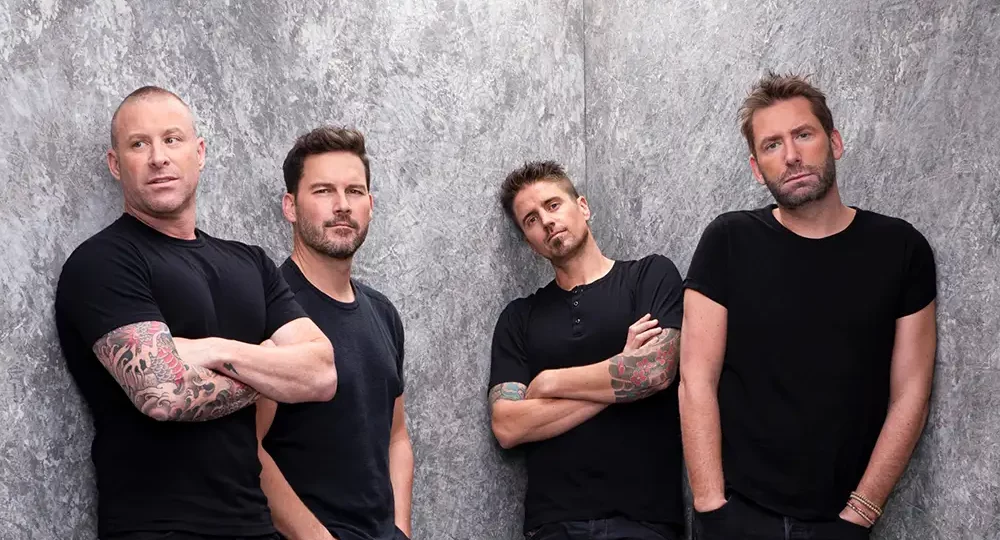
Pocas bandas en la historia del rock moderno han alcanzado cotas de éxito tan masivas —y generado debates tan encendidos— como Nickelback. Con millones de discos vendidos a sus espaldas y un repertorio repleto de himnos incontestables que definieron el sonido de toda una era. La formación canadiense regresa al primer plano de la actualidad musical con el anuncio de su esperado nuevo trabajo de estudio, ‘Everything Under the Sun’.
Castellano
A las puertas de este nuevo capítulo en su carrera, nos sentamos a charlar con su bajista y pilar fundamental, Mike Kroeger. En una conversación honesta, relajada y directa, repasamos el proceso creativo de este nuevo álbum, la evolución de la banda tras más de tres décadas en la cima, el peso de su legado y esa asignatura pendiente que siguen teniendo con sus seguidores en la península tras años sin dejarse caer por nuestros escenarios.
Cómo estás Mike?
Bien, metido de lleno en las entrevistas promocionales.
La rueda ha empezado a girar… Pues hablemos del nuevo álbum, Everything Under the Sun. Y, antes de nada, me gustaría empezar por la colaboración con John 5 en «Rattle the Cage».El disco empieza con este tema, y como es habitual, se trata de una canción más dura, un buen riff, y podemos escuchar esa colaboración que aporta una dosis extra de garra y virtuosismo. Como bajista, ¿cómo te planteaste mantener la sección rítmica para sincronizarte con su estilo guitarrístico tan característico al tiempo que conservabas intacto el característico sonido grave y potente de Nickelback?
Teníamos la canción terminada. Ya estaba compuesta y grabada antes de que nos pusiéramos en contacto con John 5. Así que, en realidad, la canción estaba completa y lista. Lo único que necesitábamos era el toque de un guitarrista virtuoso para tocar el solo y algunos otros pequeños detalles, solo para darle un poco más de textura y ambiente. Y hay algo que hay que destacar: John 5 toca como nadie. Así que conseguir que participara y que cambiara el carácter de la canción fue realmente genial.
Tras el estilo más contundente de «Feed the Machine» y el ambiente más relajado de «Get Rollin’», ¿cómo definirías el espíritu de este nuevo disco? ¿Cuál fue el mayor reto de producción en el estudio esta vez? En mi opinión, el disco lleva el sello característico de la banda, con canciones más duras como las mencionadas anteriormente, «Rattle the Cage», temas de power rock como «Bones for the Crown», rock más melódico como «Leave Me Behind» o canciones más orientadas al pop como «I Already Know», «If I Don’t Go» o «Make Me Love You», por nombrar solo algunas.
En cuanto a eso, todas ellas… siempre tenemos que dedicar todo el tiempo que podamos a cada tema. Todas son muy importantes. Así que, como resultado, todas plantean sus propios retos. Ya sabes, nada «simplemente» sucede. Cada una tiene su propio proceso de creación. Y realmente tienes que tomarte tu tiempo y dar lo mejor de ti en cada una.
Incluso cuando todo va sobre ruedas, hay que volver atrás, replanteárselo, revisar lo que has hecho y asegurarte de que cumple con los estándares de calidad que buscas. Y luego están esas otras canciones que requieren más trabajo, tiempo y esfuerzo. Y, en cierto modo, son las que resultan más gratificantes, porque todo aquello por lo que tienes que esforzarte más o luchar siempre es más gratificante.
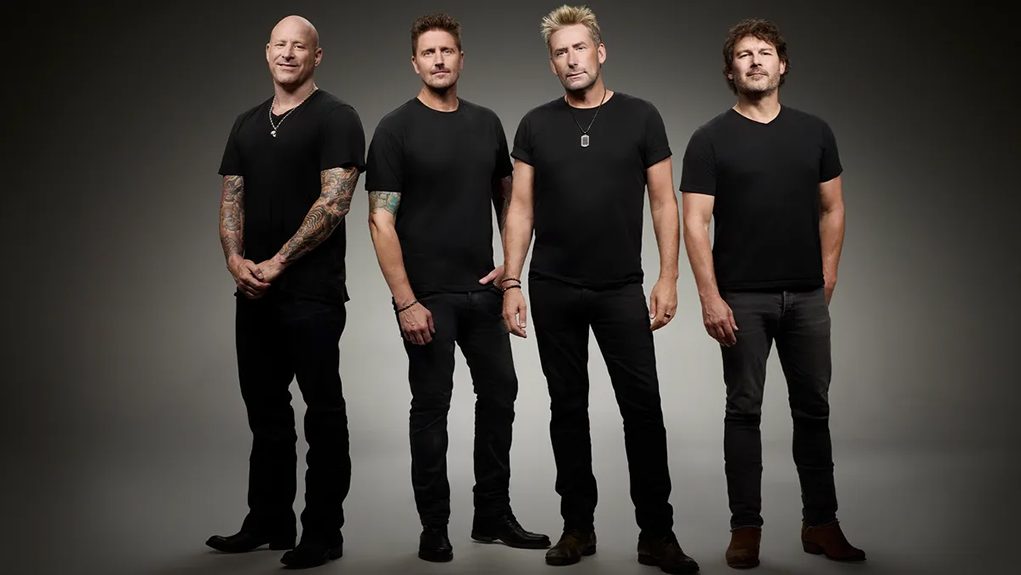
Tengo que decir que, sin duda, suena a Nickelback. Y creo que eso es lo más importante. Quizá a veces, en un álbum concreto, haya más canciones orientadas al rock duro o al metal, y otros álbumes se inclinen más hacia el otro extremo. Pero creo que, sin duda, tenéis vuestro sello propio después de todos estos álbumes y todos estos años.
Sí, tenemos una tendencia natural a componer canciones de hard rock contundente, pero también otras más ligeras, más melódicas y tipo balada, y todo lo que hay entre medias. Este álbum no es una excepción: empezamos con una canción de rock y luego le sigue una más pop. Este es nuestro método habitual. A estas alturas, todo el mundo ya debería estar acostumbrado a este patrón.
Déjame preguntarte algo como bajista, porque en el rock y el metal modernos, las frecuencias bajas suelen estar muy saturadas debido a que los guitarristas utilizan afinaciones muy graves. ¿Cómo abordas tu sonido en el estudio para asegurarte de que el bajo ocupe su propio espacio sonoro en lugar de limitarse a doblar las pistas de guitarra de Chad y Ryan, por ejemplo?
Sí, requiere un poco más de cuidado técnico para sacar a relucir las frecuencias que quieres que destaquen en la mezcla y se oigan. Pero lo más importante para mí, como bajista, no es que se me oiga. Lo más importante para mí, como bajista, es hacer que el sonido del grupo sea más potente. Eso es lo que me interesa.
Si quisiera ser un bajista que quisiera que todo el mundo oyera cada nota y presumir de mis habilidades como bajista, seguro que no estaría en Nickelback, porque Nickelback no es lugar para ese tipo de forma de tocar el bajo. Cada canción exige que el bajo se someta a la canción. Debe acompañar a la voz, acentuarla y, a veces, apartarse para dejar paso a la voz. Y he aprendido a hacerlo con los años. Lo que más me interesa es conseguir que el sonido del grupo sea imponente. Si consigo que el grupo suene a lo grande, eso es todo lo que realmente quiero. No me interesa salir en la portada de una revista de bajo ni nada por el estilo. La verdad es que eso no me importa. Me preocupa más cómo suena el grupo.
Para quienes te siguen de cerca, no es ningún secreto que eres un gran fan de grupos de metal como Meshuggah, Gojira, Sepultura, etc. ¿Alguna vez has intentado colar a escondidas una línea de bajo o un riff muy inspirado en el metal en una canción de Nickelback, solo para que Chad te lo echara por tierra?
Puede que lo intentara hace muchos, muchos, muchos años, hasta el punto de que ya no lo recuerdo, pero ahora lo que hago es encontrar algo extraordinario, se lo enseño y él lo compone. Me está saliendo bien. Él cree que es una idea suya, pero en realidad es mía. De vez en cuando le enseño algunas cosas de metalcore, como pequeños fragmentos, solo riffs cortos, secciones breves, y le digo: «Oye, escucha esto». Él se queda alucinado: «¡Vaya! ¿Qué es eso?». Y entonces se oyen los primeros segundos de «San Quentin».
Eso es el resultado de haber estado en contacto con el metal extremo. Le enseñé algunas cosas y, poco después, la intro de «San Quentin»: él compuso la intro de «San Quentin». Yo pensé: «Genial, un doble bombo enorme con acordes frenéticos y todo eso». Y dije: «Vale, lo tenemos».
Esa es seguramente una de las principales características de Nickelback, tener temas duros que se aproximan al metal y de ahí poder ir a temas casi poperos.
Es simplemente lo que hacemos porque todos llevamos un sentido profundamente arraigado del heavy metal dentro de nosotros. Los cuatro tenemos raíces en la escena del heavy metal, desde el thrash de la Bahía de San Francisco de finales de los 80 y los 90 hasta hoy en día. Yo seguí más en ese mundo que los demás, quizás, pero también crecimos escuchando a ABBA, los Eagles y cosas por el estilo.
Cuando creces con estas cosas, las aprendes, las escuchas y oyes algo que te gusta de verdad; y si eres alguien como Chad, que es un tipo de persona muy poco común, oye algo que le gusta mucho y se pregunta: «Vaya, ¿por qué me gusta tanto esto? Tengo que averiguar cómo crear cosas así, que la gente escuche una vez y quiera volver a escuchar». Y él es un auténtico estudioso de eso.
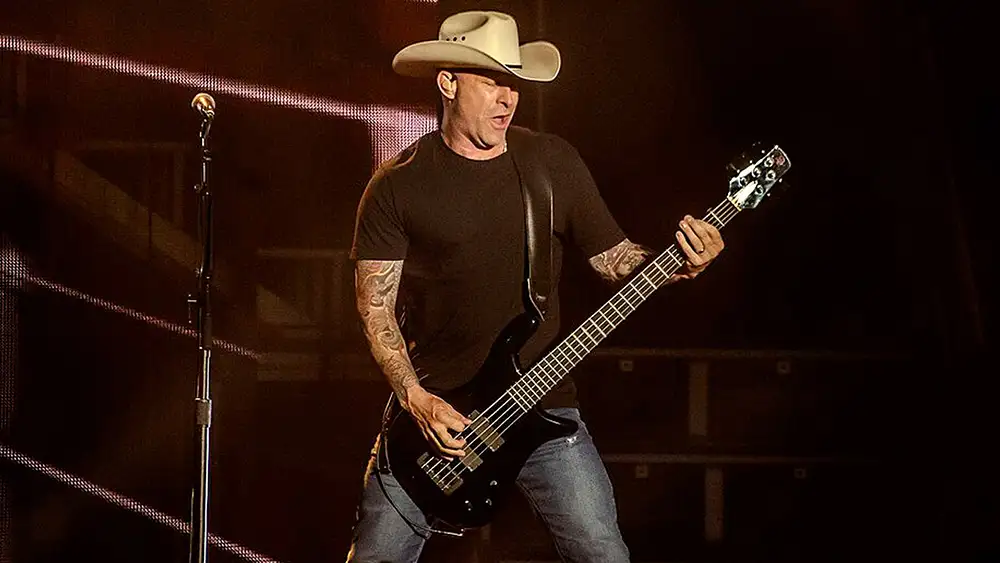
Hablando un poco de tu trayectoria, en los últimos años hemos visto un cambio radical en la percepción del público, que ha pasado de la cultura de los memes de Internet y el odio sistemático a un respeto genuino y a la liberación del odio a través del amor. Ahora que las cosas se han calmado y la gente celebra abiertamente tu legado, ¿cómo se vive esa reconciliación desde el escenario?
Francamente, depende de a quién le preguntes, pero ya que me lo preguntas a mí, significa tanto para mí ahora como entonces. No me importa. La gente dice cosas. En realidad, no importa lo que me digan. La negatividad es negatividad y es un asco, pero no es especialmente relevante. Las opiniones de la gente son solo eso. Son opiniones de la gente. Me encanta que la gente tenga opiniones diferentes. Lo celebro. Creo que hablar con personas con las que no estás de acuerdo es mucho más importante que hablar con personas con las que sí lo estás. Creo que se puede aprender y evolucionar mucho más hablando con personas que no están de acuerdo contigo, intentando comprenderlas y viendo si quizá tienen razón.
Los que critican, de vez en cuando hacían una broma divertida y yo me reía y me parecía muy gracioso. Pero los memes son lo que son. Es horrible ser cruel con la gente, pero el mundo es grande y hay que intentar tener un poco de piel gruesa ante ciertas cosas, porque lo que caracteriza especialmente a la cultura en línea es que ni siquiera sabes quién es esa persona. Puede que ni siquiera sea una persona. Hoy en día podría ser una granja de bots en China o la India y no tener ni idea. Podría ser un niño de ocho años con un iPad o una abuela de 60 años. Tienes que saber con quién estás hablando. Es muy difícil saberlo.
Estoy de acuerdo. Entiendo perfectamente lo que dices, porque la tecnología nos ofrece cosas excelentes y maravillosas, como que tú y yo podamos hablar desde diferentes partes del mundo, pero lo que está pasando en las redes sociales, en fin…
Bueno, déjame terminar con una cosa, y es algo que la ciencia sigue poniendo de manifiesto. A medida que hemos entrado en una era en la que tenemos más acceso a la información y al conocimiento que nunca, resulta inconcebible que nos estemos volviendo más estúpidos. Pero eso es lo que está pasando. Así que supongo que la realidad es que, mientras mi móvil lo sepa todo, yo no tengo por qué ser inteligente.
Echando la vista atrás, All the Right Reasons ya cumple más de dos décadas. Trabajar con Joey Moi en ese disco definió realmente, de alguna manera, tu sonido con una precisión casi quirúrgica. Esas enormes capas de guitarra que formaban un muro sonoro, la producción al estilo de The Police y esos estribillos pegadizos que sonaban literalmente en todas partes del planeta. En retrospectiva, ¿crees que ese álbum con Joey fue el punto de inflexión definitivo para la banda? Echando la vista atrás, ¿consideras que ese enorme éxito fue un arma de doble filo, a la vez una bendición y el catalizador que os convirtió en el blanco principal de la primera gran ola de la cultura de los memes en Internet?
Creo que ese fue un momento decisivo para esta banda y para ese álbum; es lo más grande que nos ha pasado a todos, sin duda, algo enorme. También sé que, durante el periodo de grabación de ese álbum, aprendimos muchísimo. Estábamos perfeccionando nuestras habilidades. Evolucionamos muchísimo durante la creación de ese álbum. Todos nosotros: Joey y Chad como productores, Chad como compositor… Todos desempeñamos mejor nuestros papeles durante ese álbum. La evolución no es un proceso cómodo. En la vida de cualquier persona o de cualquier cosa, la evolución suele ser muy, muy dura. Ese fue un álbum muy duro.
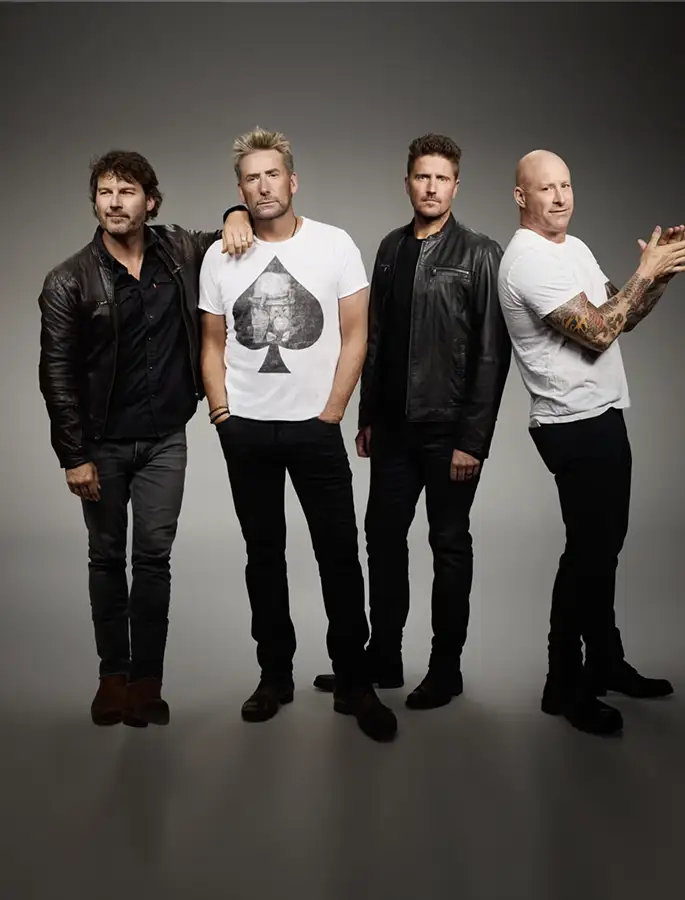
Hemos mencionado a Chad varias veces durante nuestra conversación. Con Chad habéis compartido escenarios, autobuses de gira y grabaciones durante 30 años. Como hermanos, ¿cuál es el secreto para mantener una relación fraternal sana tras tres décadas bajo la presión de una de las bandas de rock más grandes del mundo?
Bueno, no siempre ha sido sana. Ha habido muchos momentos en los que las cosas estaban claramente mal en nuestra relación. Sin duda, hemos pasado por momentos difíciles. Nunca hasta el punto de insultarnos en público o agredirnos físicamente. Pero ha habido momentos en los que ha habido roces. De nuevo, los roces también forman parte de la evolución. Las hemos superado y hemos seguido adelante. Quizá si estuviéramos en una banda con desconocidos, si no fuéramos familia, quizá uno de los dos se habría rendido, habría abandonado o algo por el estilo. No lo sé, pero hemos evolucionado. Estamos en una situación mucho mejor y llevamos ya un tiempo así.
Hablando de las tensiones, naciste en Alberta, Canadá, ¿verdad? Pero has pasado gran parte de tu vida adulta y de tu carrera viviendo y de gira por Estados Unidos.
Sí
Con Donald Trump de vuelta en la Casa Blanca y el aumento de las tensiones políticas y comerciales entre Washington y Ottawa, ¿cómo interpretas esta tensión actual entre dos países que están tan profundamente interconectados?
En primer lugar, me gustaría darte las gracias de verdad, porque nunca antes me habían preguntado sobre estos temas políticos. Nunca. Eres el primero, de verdad. Gracias por esa pregunta, porque sí que tengo opiniones al respecto. Sin embargo, yo mismo he pasado por una evolución con eso y ahora entiendo que la gente vota a quien vota. Yo voté a quien voté. Todos los demás votaron a quien votaron, ya sea en Canadá o en Estados Unidos, y el pueblo elige a un líder. Ahora bien, eso no significa que a todo el mundo tenga que gustarle ese líder. Tampoco significa que todo el mundo tenga que odiarlo. Ese es el líder. Te guste o no, está al frente del país. Simplemente lo está. En la historia reciente, tanto en Estados Unidos como en Canadá, ha habido líderes que me han caído bien y otros que no, pero respeto la voluntad del pueblo para decidir eso y también para asumir las consecuencias, los beneficios o las deficiencias que ello conlleva.
En mi caso, ya no me dejo llevar tanto por las personalidades, sino que voto según mi conciencia y luego acepto a quien gane, y quiero que ese líder ayude a mi nación a prosperar y florecer. De verdad, eso es lo único que me interesa. En cuanto a «mi candidato» o «su candidato» o lo que sea, es algo absurdo. Involucrarse demasiado emocionalmente en la política es una auténtica pérdida de tiempo. No tiene ningún beneficio. Lo observo todo el tiempo, constantemente. Siempre estoy observando, siempre escuchando y aprendiendo, pero cuanto más observo, escucho y aprendo, más me doy cuenta de que la imagen que nos dan es incompleta y se nos pide que formemos opiniones reales y contundentes basadas en un conocimiento y una comprensión parciales. Porque, para ser sincero contigo, en todas esas cosas por las que mucha gente se está emocionando muchísimo y movilizando políticamente, no conocen toda la historia. Nadie la conoce. Ese es el problema de todo esto. Mi postura al respecto es que sé que Canadá y Estados Unidos son vecinos y siempre lo han sido. Simplemente están pasando por una mala racha ahora mismo. Todo irá bien.
Quizá lo peor de todo esto es que está empezando a afectar al intercambio cultural o a la forma en que el público estadounidense y canadiense percibe la música y el entretenimiento del otro lado de la frontera.
Sí, es una lástima. De verdad que es una pena. No juzgo a un país por su jefe de Estado, porque el jefe de Estado siempre cambia. Ningún jefe de Estado es permanente, a menos que se trate de algún tipo de dictadura, ya que solo quedan un par de ellas en el mundo hoy en día. Pero, en su mayor parte, los líderes son temporales. Llegan, pero no pueden quedarse. Pueden gobernar el país, pero tienen que marcharse. Creo que eso es saludable.
Los líderes son temporales, pero pueden perjudicar a toda una sociedad…
No pueden. Yo lo veo de forma temporal. Creo que estas cosas tienden a corregirse por sí solas. La gente sabe lo mucho que se presta atención a la política de Estados Unidos, llámala como quieras, a su cultura o a su situación…
Te puedo asegurar que aquí, en Europa, estamos muy al tanto de lo que ocurre en EE. UU. Todo lo que ocurre allí afecta al resto del mundo.
Para mí, el péndulo oscila constantemente de un lado a otro. Lo bueno está aquí, en el medio, pero solo pasa por el medio. Nos vamos al extremo en un sentido, al extremo en el otro, y en el medio, cuando estamos pasando por ahí, es genial. Esa es mi opinión sobre la política. Hay personas con las que no estoy de acuerdo políticamente, pero creo que también tienen argumentos válidos y reales. Respeto el desacuerdo. Paulo (el tipo del sello que aparece en este momento) y yo no estamos necesariamente de acuerdo en todo lo relacionado con la política, pero podemos hablar de ello y podemos discrepar. No pasa nada. Está bien. Creo que eso es lo que lo hace genial. Si todos tuviéramos que estar de acuerdo en todo, creo que el mundo sería un lugar bastante aburrido.
Si echamos la vista atrás a vuestra trayectoria como grupo, Nickelback solo ha actuado en España dos veces en toda vuestra carrera. Ambas fueron en Madrid, en 2013 y 2018. Nunca habéis tocado en Barcelona, por ejemplo, ni en otras partes del estado. ¿Hay planes para actuar por fin en Barcelona o ampliar vuestra gira a otra parte, o incluso dedicar una futura gira exclusivamente a España? Porque la última vez, si no recuerdo mal, se canceló por alguna razón.
No recuerdo las circunstancias de aquello. Me encantaría volver a España. Una de las experiencias de concierto más destacadas que he vivido fue en Madrid en 2018. Ese público fue increíble. Uno de los mejores públicos ante los que recuerdo haber tocado fue en Madrid, en España.
Tengo que decir que aún no has probado al público de Barcelona…
Me encantaría. Tengo que hacer una gira por España personalmente. Es lo que tengo que hacer, porque he oído decir a la gente que lugares como Barcelona son difíciles de abandonar. La gente va allí y luego solo quiere quedarse. Eso lo dice todo.
English
How are you, Mike?
Fine, right in the thick of the promotional interviews.
The wheels have started turning… So let’s talk about the new album, Everything Under the Sun. And, first of all, I’d like to start with the collaboration with John 5 on ‘Rattle the Cage’. The album kicks off with this track, and as usual, it’s a harder-edged song with a great riff, and we can hear that collaboration adding an extra dose of punch and virtuosity. As a bassist, how did you go about keeping the rhythm section in sync with his very distinctive guitar style whilst keeping Nickelback’s characteristic deep, powerful sound intact?
We had the song completed. It was written and recorded before we approached John 5. So it was really, the song was complete and done. And what we needed was just an element of a virtuoso guitar player to play the solo and some other little bits on the thing, just to give it some more texture and mood. And one thing, John 5, he plays like no one else. So to get him involved, to change the complexion of the song was really cool.
After the heavier direction of ‘Feed the Machine’ and the more laid-back vibe of ‘Get Rollin», how would you define the spirit of this new record? What was the biggest production challenge in the studio this time around?» In my opinion the record have band’s signature with harder songs as mentioned previously “Rattle the Cage”, power rock songs like “Bones for the Crownd”, more melodic rock like “Leave Me Behind” or more pop oriented like “I already know”, “If I don’t go” or “Make me love you” just to name a few.
As far as, you know, they’re all, we always have to devote, you know, as much time as we can to every track. They’re all very important. So as a result, they all have their challenges. You know, nothing just sort of, you know, happens. There’s a birthing process to every one. And you really have to take your time and do your best work on every one.
Even when the going is easy, you have to go back and reconsider and look at what you’ve done and make sure that it meets the quality control you’re looking for. And there are those other songs that, you know, require more work and time and effort. And they kind of feel like the sweeter ones because they take anything you have to work harder for or struggle for is always sweeter.
I have to say definitely it sounds like Nickelback. And I think that’s the most important thing. Maybe sometimes in a concrete album, there’s more harder rock or metal oriented songs and other albums more at the other side. But I think you definitely have your signature after all these albums and all these years.
Yeah, we do have a natural tendency to write heavy hard rock songs and also lighter, more melodic and ballad kind of songs and everything kind of in between. And this album is no exception where we start out with the rock song and then come with a more pop driven song after it. This is our normal method. Everybody should be getting used to the pattern by now.
Let me ask something about the bass because in modern rock and metal, the low frequencies are often heavily saturated by guitarists using low down tunings. How do you approach your tone in the studio to make sure that the bass claims its own sonic space rather than just doubling Chad and Ryan’s guitar tracks, for example?
Yeah, it does require a little bit more technical care to coax out the frequencies you want to cut through in the mix and to be heard. But more importantly to me as a bass player is not to be heard. But more importantly to me as a bass player is to make the band sound bigger. That’s what interests me.
If I wanted to be a bass player that wanted every note to be heard by everybody and to show off as a bass player, I sure wouldn’t be in Nickelback because Nickelback is no place for that kind of bass playing. Every song requires the bass guitar to be a slave to the song. It must play along with the vocal and accentuate the vocal and get out of the way of vocals sometimes. And I’ve learned to do that over the years. I’m just most interested in making the band sound huge. If I can make the band sound big, that’s all that I really want. I’m not interested in being on the cover of a bass magazine or something like that. I don’t really care about that. I’m more concerned with how the band sounds.
For those who follow you closely, it’s not a secret that you’re a massive fan of extreme metal bands like Meshuggah, Gojira, Sepultura, etc. Have you ever tried to sneak a heavily metal- inspired bass line or a riff into a Nickelback song only to have Chad hit the breaks on it?
I may have tried it many, many, many years ago that I cannot remember, but now what I do is I find something extraordinary and I show it to him and then he writes it. It’s working in my favor. He thinks it’s his idea, but it’s really my idea. I’ll show him some metal core things every once in a while, like little parts, just little riffs, little sections and just be like, hey, listen to this. He’s like, whoa, what’s that? And then you hear the first few seconds of “San Quentin”.
That’s as a result of getting exposed to extreme metal. I showed him some things and then not long after that, the intro for “San Quentin”, he wrote the intro for “San Quentin”. I was like, great, huge double bass with panic chords and stuff. I was like, okay, we got it.
That is surely one of Nickelback’s defining characteristics: having heavy tracks that border on metal, and then moving on to tracks that are almost pop-like.
It’s just what we do because we all do have a deeply ingrained sense of heavy metal in us. All four of us have some roots in the heavy metal scene with the Bay Area thrash scene of the late 80s and 90s all the way up to today. I continued on more perhaps than the other guys in that world, but we also grew up on ABBA, Eagles and things like that.
When you grow up with these things, you learn it, you hear it and you hear something you really like and if you’re somebody like Chad, which is a very rare kind of person, he hears something that he really likes and goes, whoa, why do I like that so much? I have to figure out how to make things like that that people hear one time and they want to hear it again and he’s very much a student of that.
Talking a little bit about your history, in recent years we have seen a massive shift in public perception, moving away from internet meme culture and systematic hate towards genuine respect and the release of hate of love. Now that the dust has settled and people are openly celebrating your legacy, how does the reconciliation feel from up on the stage?
Frankly, it depends who you ask, but since you’re asking me, it means as much to me now as it did then. I don’t care. People say things. It doesn’t really matter what people say to me. Negativity is negativity and it sucks, but it’s not particularly relevant. People’s opinions are just that. They’re people’s opinions. I love that people have different opinions. I celebrate it. I think that talking to people that you disagree with is far more important than talking to people you agree with. I think there’s so much more learning and evolution that can happen from talking to people who don’t agree with you and try to understand them and see if maybe they have a point.
The haters, every once in a while they made a funny joke and I laughed and I thought it was very funny. But memeness is memeness. It sucks to be mean to people, but it’s a big world and you got to try to have a little bit of a thick skin for things because the part of especially the online culture is you don’t know who this even is. It might not even be a person. Nowadays it could be a bot farm in China or India that you have no idea. It could be an eight-year-old kid on an iPad or it could be a 60-year-old grandmother. You have to know who you’re talking to. It’s really hard to know.
I agree. I understand perfectly your words because technology has excellent and great things like you and me talking in different parts of the world, but these things that are happening in social media, come on…
Well, let me close with one thing and this is something that science is continuing to expose. As we’ve moved into an era where we have more access to more information and understanding than ever, it’s inconceivable that we’re becoming more stupid. But that is what’s happening. So I guess the reality is as long as my phone knows everything, I don’t have to be smart.
Looking back at your catalogue, All the right reasons are over two decades now. Working with Joey Moi on that record really defined in some way your sound in an almost surgical way. Those massive wall of song guitar layers, police production and radio hooks that were literally everywhere on the planet. In hindsight, do you feel that album with Joy was the ultimate turning point for the band? Looking back, do you see that massive level of success as a double-edged sword, both a blessing and the catalyst that made you the prime target for the first big wave of internet meme culture?
I think that that was an absolute breakout moment for this band and that album, it’s the biggest thing that happened to any of us, for sure, enormous. I know also that during the period of making that album, there was a lot of learning going on. We were updating our skills. We were evolving so much during the making of that album. All of us, Joey, Chad as producers, Chad as a songwriter, we all filled our roles more during that album. Evolution is not a comfortable process. In anybody’s life or anything’s life, evolution is generally very, very hard. That was a very hard album.
We mentioned Chad several times during our conversation. With Chad you have shared the stages, tour buses and recordings to this for 30 years. As brothers, what’s the secret to maintaining a healthy brotherly relationship after three decades under the pressure of one of the biggest rock bands in the world?
Well, it hasn’t always been healthy. There has been plenty of time where things were distinctly unhealthy in our relationship. Definitely, we had our hard times. Never so much that we were insulting each other in the public or attacking each other physically. But there were times when there was friction. Again, friction is a part of evolution too. We’ve worked through it and continued on with it. Maybe if we were in a band with strangers, if we weren’t family, maybe one of us or the other would have given up or quit or whatever. I don’t know, but we have evolved. We’re in a much better place and have been in a much better place for a while.
Talking about the frictions, you were born in Alberta, in Canada, right? But you’ve spent a huge part of your adult life and career living and touring in the US.
Si
With Donald Trump back in the White House and heightened political and trade tensions between Washington and Ottawa. How do you build this current friction between two countries that are so deeply interconnected?
First of all, I’d really like to thank you because I’ve never been asked about these political things before. Never. You’re the first, really. Thank you for that question because I do have opinions about this. However, I’ve gone through an evolution with all of this myself and that is that I now understand that the people vote for who they vote for. I voted for who I voted for. Everybody else voted for who they voted for, whether it be in Canada or in the United States, and the people elect a leader. Now, that doesn’t mean everybody has to like that leader. That doesn’t mean that everybody has to hate that leader. That is the leader. Whether you like them or not, they’re leading the country. They just are. There have been leaders in both the United States and Canada in recent history that I have liked and some that I’ve disliked, but I respect the will of the people to decide that and also to share in the consequences, benefits, or deficiencies of that.
To me, I don’t get caught up so much in personalities anymore as I vote my conscience and then I accept who wins and I want that leader to help my nation succeed and flourish. Really, that’s all that interests me. As far as my guy or their guy or whatever, it’s a preposterous thing. To get too emotionally involved in politics is a real fool’s errand. There’s no benefit to it. To get emotionally involved in it. I’m observing it all the time, constantly. I’m always watching, always listening and learning, but the more I watch, listen, learn, the more I realize that the portrayal that we’re given is incomplete and we’re asked to develop real, emphatic opinions based on partial knowledge
and understanding. Because to be honest with you, all the things that a lot of people are getting really, really animated and politically activated with, they don’t know the whole story. No one does. This is the problem with all of this. Where I’m at with all of that is I know that Canada and America are neighbors and have been neighbors the entire time. They’re just going through a rough spell right now. It’s going to be okay.
Maybe the worst of all these things is that it’s starting to impact cultural exchange or how American and Canadian audiences perceive music and entertainment from across the border.
Yeah, it’s too bad. It really is a shame. I don’t judge a country by their head of state because the head of state is always changing. No head of state is permanent unless it’s some kind of dictatorship as there are only a couple of those left in the world now. But for the most part, leaders are temporary. They come, they cannot stay. They can run the country, but they got to go. I think that’s healthy.
Leaders are temporal, but they can hurt an entire society.
They can’t. I think in a temporary way. I feel like these things have a way of correcting themselves. People know how close you pay attention to the United States political, whatever you call it, culture or situation…
I can assure you that here in Europe we are very aware of what is happening in the US. All that happening in the US affects the rest of the world.
To me, the pendulum is constantly swinging from side to side. The good part is here in the middle, but it only passes through the middle. We go extreme one way, extreme the other way, and in the middle when we’re passing through, it’s great. That’s where my opinion is with politics. There are people that I disagree with politically, but I believe they have points that are valid and real too. I respect the disagreement. Paulo (the label guy that appears in this moment) and I don’t necessarily agree on all politics, but we can talk about it and we can disagree. That’s okay. It’s fine. I think that’s what makes it great. If we all had to agree on everything, I think the world would be a pretty laying place.
Looking back at your touring history, Nickelback has only played in Spain twice, I think, in your entire career. Both were in Madrid in 2013 and 2018. You’ve never played in Barcelona, for example, or other parts of the country. Are there any plans to finally hit Barcelona or expand your routine to another part of the country, or even only play in Spain for a future tour? Because last time, I can remember that it was cancelled for some reason.
I don’t remember the circumstances of that. I would love to get back to Spain. One of the most outstanding concert experiences I’ve ever had was in Madrid in 2018. That audience was amazing. One of the best audiences that I can remember playing in front of was in Madrid in Spain.
You don’t check Barcelona’s audience, I have to say…
I’d love to. I need to personally do a tour of Spain. That’s what I need to do because I’ve heard from people that places like Barcelona are difficult places to leave. People go there and then they just want to stay. That says a lot.