Castellano
Mystic Prophecy / R.D. Liapakis: Una nueva etapa, la fuerza del heavy metal y las canciones de In Metal
Entrevista: Jose Cardona
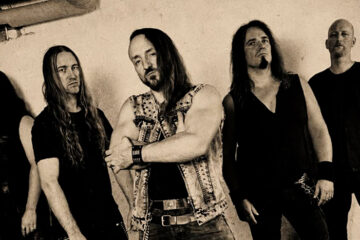
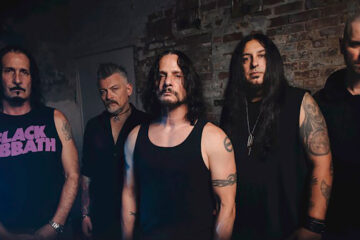
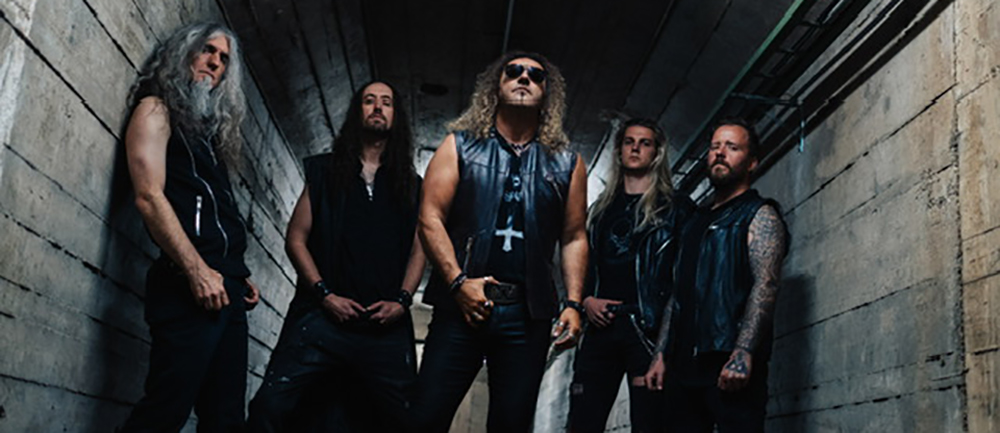
Con más de dos décadas de trayectoria, Mystic Prophecy presenta In Metal, un trabajo que reafirma su compromiso con el heavy metal tradicional y marca el comienzo de una nueva etapa. La formación renovada apuesta por canciones directas y riffs contundentes, con letras que abordan la tecnología, el miedo, la resistencia y la mitología. Con motivo del lanzamiento del álbum, previsto para el 27 de noviembre a través de Perception, hablamos con R.D. Liapakis sobre las nuevas composiciones, la producción del disco y la dinámica de la banda. El vocalista también recuerda lo que ha aprendido interpretando el repertorio de Michael Schenker.
Entre Hellriot e In Metal ha habido cambios importantes en la banda, con la incorporación de Dan Baune, Tommy Gun y Christophe de Combe junto a ti y Markus Pohl. ¿Qué os llevó a configurar esta nueva formación y cómo influyeron estos músicos en la composición y los arreglos, más allá de interpretar las canciones?
R.D. Liapakis: Después de Hellriot sentimos que había llegado el momento de incorporar sangre nueva y otras perspectivas, para no repetirnos. La llegada de Dan, Tommy y Christophe no consistió simplemente en encontrar músicos que tocaran las notas: revitalizaron por completo nuestro proceso creativo.
Dan y Christophe aportaron mucho de su experiencia en proyectos anteriores, y eso cambió de inmediato la estructura de las canciones. En lugar de limitarse a tocar lo que ya estaba escrito, participaron activamente en la reelaboración de los arreglos, orientándolos hacia estructuras con riffs más compactos, agresivos e increíblemente directos. Al mismo tiempo, Markus y yo mantuvimos viva la esencia de Mystic Prophecy. Esta formación nos permitió crear un disco que suena completamente renovado sin dejar de ser inequívocamente contundente.
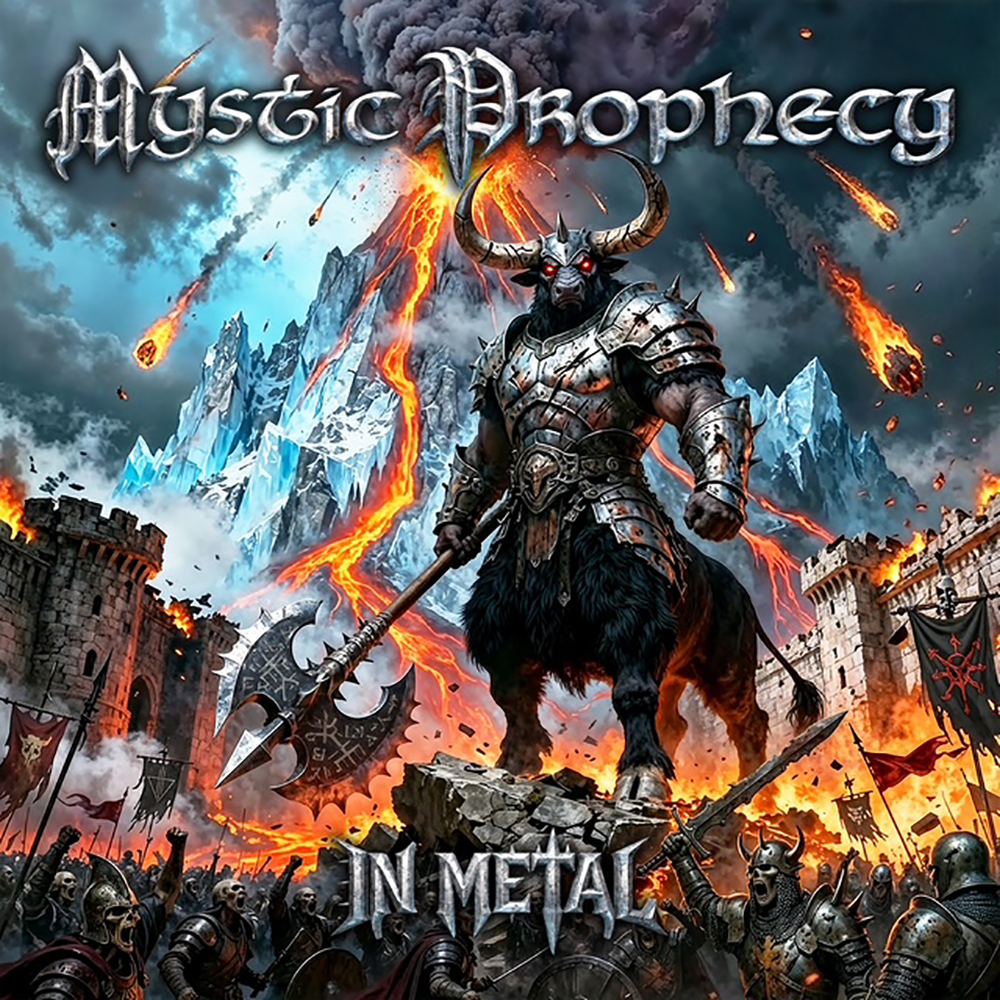
El título In Metal parece reafirmar la identidad musical que habéis defendido durante más de dos décadas. En un momento en el que muchas bandas sienten la presión de reinventarse, ¿qué significa para ti progresar artísticamente dentro del heavy metal tradicional? ¿En qué aspectos quisisteis ir más allá de Metal Division y Hellriot?
Para nosotros, progresar artísticamente no significa abandonar las raíces para seguir modas, sino afinar las herramientas que ya tenemos. El heavy metal tradicional es nuestra identidad e In Metal es una orgullosa reafirmación de ello. Progresar consiste en hacer las partes pesadas todavía más pesadas, los estribillos más pegadizos y la interpretación más intensa sin perder nuestra esencia.
Queríamos llevar la composición más lejos que en Metal Division y Hellriot eliminando todo lo superfluo. Buscamos la máxima contundencia y claridad. Los riffs son más concisos, los tempos más agresivos —llegamos a los 240 BPM en «Angels Are Falling»— y los arreglos mucho más ajustados. No cambiamos el plano original; simplemente le dimos mucha más potencia al motor.
«Robots», el tema que abre el disco, plantea cuánto control estamos dispuestos a ceder a medida que avanza la tecnología. ¿Qué acontecimientos concretos te llevaron a abordar este asunto y dónde sitúas el límite entre la tecnología como herramienta útil y como amenaza para la independencia humana?
El rápido avance de la inteligencia artificial y la automatización en los últimos años fue lo que realmente inspiró esta canción. Estamos viendo un mundo en el que las personas delegan cada vez más su pensamiento, su creatividad y sus decisiones más básicas en los algoritmos. Parece que la sociedad camina sonámbula hacia una dependencia total de las máquinas, con el riesgo de perder su verdadera identidad humana.
Para mí, el límite está muy claro: la tecnología es una herramienta magnífica cuando mejora la eficiencia, se ocupa de tareas administrativas o funciona como instrumento práctico dentro del estudio. Pero se convierte en una amenaza grave en el momento en que sustituye la emoción, el alma y el pensamiento independiente de las personas. El arte y la música necesitan imperfecciones humanas y sangre de verdad circulando por ellos. Una máquina puede copiar las notas, pero nunca tendrá alma.
«March or Die» utiliza imágenes bélicas para hablar de la perseverancia en tiempos difíciles. ¿Cómo desarrollaste ese doble sentido en la letra y de qué manera trabajaste el arreglo instrumental para que la canción transmitiera la necesidad de seguir adelante?
«March or Die» recurre a las imágenes bélicas clásicas del heavy metal, pero es una metáfora de la vida cotidiana actual y de la supervivencia mental. Vivimos tiempos increíblemente difíciles y la canción habla de enfrentarse a las propias batallas y adversidades. El mensaje es sencillo: o permites que la vida te aplaste o sigues avanzando. No hay término medio.
Para transmitirlo, la letra y la música tenían que estar perfectamente sincronizadas. Construimos el arreglo desde cero para que sonara como una marcha militar implacable. La sección rítmica, con su pulso insistente y contundente, funciona como un motor que empuja al oyente hacia delante, mientras los riffs pesados aportan aspereza. La idea era que sonara como un grito de guerra que te obligara a levantarte y seguir luchando.
Has descrito «Angels Are Falling» como la canción más rápida que ha grabado Mystic Prophecy, con 240 pulsaciones por minuto. Su letra también cuestiona el uso del miedo religioso como forma de control. ¿Cómo se unieron ambas ideas y cómo equilibrasteis semejante intensidad musical con la claridad del mensaje?
La velocidad extrema y la temática de la letra se alimentaron mutuamente. Cuando hablas de manipulación religiosa y del pánico que provoca utilizar el miedo como instrumento de control, la música no debería resultar cómoda. Tiene que sonar caótica, urgente y abrumadora. Llegar a los 240 BPM fue nuestra manera de transformar esa presión emocional en pura adrenalina sonora.
El equilibrio entre tanta intensidad y la claridad de la letra depende de la interpretación vocal y de la producción. Me concentré conscientemente en cantar de forma afilada, agresiva, pero precisa, para que las palabras no quedaran enterradas en medio de la tormenta. También nos aseguramos de que la mezcla dejara suficiente espacio a los riffs y a la voz. La música golpea como un rayo, pero el estribillo sigue siendo enorme y claro, de manera que el mensaje atraviesa todo ese caos.
La Iglesia lleva más de mil años ocupándose de cómo mantener controlados a sus creyentes. El miedo al infierno es una de las principales armas que ejerce sobre nosotros. En nuestra vida diaria, el mal pesa más que lo positivo y cada uno tiene que lidiar con ello a su manera.
En todo esto, a veces es la oscuridad y otras veces la luz lo que nos convierte en quienes somos.
Títulos como «Warhead» y «My Inner Innocence» sugieren perspectivas emocionales muy distintas. ¿Qué importancia tiene ese contraste en el ritmo general del álbum? ¿Muestra «My Inner Innocence» un lado más personal de tu escritura del que los oyentes suelen asociar con Mystic Prophecy?
Ese contraste es absolutamente esencial para el ritmo general de In Metal. Si un álbum ofrece agresividad sin descanso de principio a fin, el oyente acaba insensibilizándose. Se necesitan picos y valles emocionales. Situar una canción tan pesada y destructiva como «Warhead» junto a otra como «My Inner Innocence» permite que el disco respire y que las partes más contundentes golpeen todavía con más fuerza.
«My Inner Innocence» muestra sin duda una faceta mucho más personal y vulnerable de mi escritura. La gente suele pensar en Mystic Prophecy y esperar poder, acero y temas bélicos. Pero detrás de esa armadura todos tenemos un núcleo íntimo: cierta sensación de inocencia perdida, arrepentimiento y la lucha por proteger nuestro verdadero yo frente a un mundo cínico. Mostrar ese lado no hace más débil a la banda; aporta un peso humano real a nuestra música.
En canciones como «Robots», «When the Hammer Will Fall» y «Warrior of Asgard», el disco pasa de las inquietudes contemporáneas a imágenes apocalípticas y referencias mitológicas. Al escribir las letras, ¿qué determina si una idea debe expresarse mediante una observación social directa o a través de imágenes históricas y fantásticas?
Todo depende del peso emocional y de la atmósfera de la propia música. La parte instrumental siempre marca la dirección. Cuando suena fría, afilada y muy técnica, pide una observación social directa. Eso fue precisamente lo que ocurrió con «Robots», que nació para abordar nuestra ansiedad ante la tecnología actual.
Por el contrario, si una canción tiene un arreglo épico y atronador, con riffs enormes y envolventes, invita de forma natural a recurrir a imágenes históricas o mitológicas, como en «Warrior of Asgard». La fantasía y la mitología son herramientas increíbles porque funcionan como espejos universales. Puedes esconder luchas, miedos y triunfos humanos muy reales y contemporáneos dentro de una historia épica sobre dioses y batallas. En definitiva, tanto si miramos al futuro como al presente o a los mitos antiguos, siempre cantamos sobre la condición humana.
Coprodujiste In Metal junto a Dan Baune, mientras que Henrik Udd volvió a ocuparse de la mezcla y la masterización, como ya hizo en Hellriot. ¿Qué queríais cambiar en el sonido, especialmente en el equilibrio entre el ataque de las guitarras, la sección rítmica y la voz? ¿Cómo se consigue potencia sin sacrificar separación ni dinámica?
Llevo trabajando con Henrik más de doce años y valoro muchísimo su trabajo. Además, nos hemos hecho buenos amigos y nos entendemos perfectamente. Soy un gran partidario de aquello de «¡no cambies un equipo ganador!».
Con In Metal, Dan y yo queríamos conseguir un sonido de estudio más orgánico, peligroso y directo a la cara que el de Hellriot. Buscábamos un ataque de guitarras más afilado y cortante, sin ahogar la sección rítmica ni enterrar las voces. Queríamos que el oyente sintiera toda la fuerza cruda de los instrumentos golpeándolo directamente.
Henrik es un auténtico maestro a la hora de encontrar ese equilibrio. Para mantener la potencia sin sacrificar la dinámica ni la separación, nos concentramos en grabar con precisión y evitamos comprimir la mezcla en exceso. En lugar de superponer un sinfín de pistas hasta crear un muro de ruido, mantuvimos los arreglos despejados para que cada instrumento tuviera su propio espacio sonoro. La batería golpea en el pecho, el bajo lo une todo y las guitarras cortan como cuchillas, mientras la voz sigue sonando enorme y cristalina.
También has trabajado con Dan Baune en Devil’s Train, mientras que Markus Pohl lleva muchos años siendo un colaborador creativo fundamental en Mystic Prophecy. ¿Cómo repartisteis las responsabilidades de composición y hubo ideas que desafiaran vuestra manera habitual de entender una canción de la banda?
El proceso de composición fue una evolución natural porque la química ya existía. Había trabajado con Dan en Devil’s Train, así que conocía muy bien su enorme capacidad musical, mientras que Markus lleva años siendo mi apoyo creativo de confianza en Mystic Prophecy. No impusimos un reparto rígido de tareas: dejamos que cada uno aportara sus mejores ideas y después las fuimos moldeando juntos en el estudio.
Desde luego hubo ideas que cuestionaron nuestros límites habituales. Dan tiene una forma muy particular y técnica de tocar la guitarra y unos arreglos que nos sacaron de nuestra zona de confort. Al principio, algunos riffs parecían distintos de la fórmula clásica de Mystic Prophecy, pero eso era exactamente lo que queríamos. Al pasar las ideas nuevas y complejas de Dan por la visión que Markus y yo tenemos de la esencia del grupo, conseguimos canciones que suenan muy renovadas sin perder nuestra identidad.
Has pasado bastante tiempo interpretando en directo el repertorio de la etapa de Michael Schenker en UFO. Esas canciones exigen mucho en cuanto a fraseo, expresividad melódica y narración. ¿Ha influido esa experiencia en tu manera de cantar tus propios temas o ha reforzado aspectos de tu voz que antes explorabas menos?
Interpretar en gira el repertorio clásico de UFO correspondiente a la etapa de Michael Schenker fue una experiencia increíble que, sin duda, dejó huella en mí. Cantantes como Phil Mogg sentaron las bases del fraseo vocal del rock y el metal clásicos. Esas canciones no dependen únicamente de la potencia: también requieren espacio, una expresión melódica sutil y una verdadera capacidad para contar historias.
Interpretar ese material reforzó facetas de mi voz que no siempre puedo mostrar dentro del power metal más puro. Me recordó el enorme impacto que puede tener un ritmo más cercano al blues y al rock clásico. Aunque no cambió mi estilo agresivo en Mystic Prophecy, sí influyó en mi manera de frasear y de trabajar las dinámicas vocales en In Metal. Me enseñó a dejar respirar un poco más la voz en ciertas partes, para que los estribillos adquirieran más peso melódico antes de que volviera el ataque pesado.
En entrevistas anteriores has insistido en la importancia de escribir canciones memorables y directas, sin complejidades innecesarias. Después de tantos álbumes, ¿qué es lo más difícil a la hora de conseguir que un tema de heavy metal resulte inmediato y reconocible sin repetirse?
Lo más difícil es encontrar el equilibrio perfecto entre lo familiar y lo nuevo. El heavy metal tiene unos fundamentos concretos: ciertos patrones de batería, estructuras y ritmos de guitarra son esenciales para el género. Si te alejas demasiado, pierdes la identidad metalera, pero si permaneces siempre en el mismo carril, acabas repitiéndote.
Después de tantos álbumes, el desafío consiste en escribir un estribillo que suene reconocible al instante, como un himno que conocieras de toda la vida, pero que esté construido sobre un riff o un arreglo que nunca hayas tocado antes. Eso exige dejar a un lado el ego y las complicaciones innecesarias. Hay que concentrarse únicamente en la energía esencial de la canción. Si el estribillo no te hace querer levantar el puño desde la primera escucha, todavía no está listo. Se necesita mucha disciplina para mantener las cosas sencillas, directas y poderosas sin recurrir a fórmulas antiguas, pero eso es precisamente lo que mantiene viva la música.
La nueva formación se prepara para llevar estas canciones al escenario junto a Iron Savior y Generation Steel. ¿Qué te interesa descubrir sobre el funcionamiento de In Metal en directo y qué te gustaría que los seguidores veteranos percibieran como realmente nuevo en esta etapa de Mystic Prophecy?
Lo que más me intriga es comprobar la reacción de pura adrenalina del público ante la nueva velocidad y agresividad, especialmente cuando toquemos en directo una canción como «Angels Are Falling» a 240 BPM. Estos temas se compusieron para interpretarse sobre el escenario. Son muy directos y se apoyan en los riffs, así que tengo muchas ganas de ver cómo responde la energía del público a semejante intensidad. Con Iron Savior y Generation Steel acompañándonos, va a ser una gran propuesta de heavy metal.
Quiero que nuestros seguidores de siempre comprendan que esto no es simplemente continuar por inercia. Me gustaría que sintieran la increíble energía y las ganas de esta formación renovada. Reconocerán el ADN clásico de Mystic Prophecy que han disfrutado durante más de dos décadas, pero con una enorme inyección de fuerza nueva, arreglos más afilados y una interpretación que demuestra que empezamos esta etapa más fuertes y peligrosos que nunca.
English
R.D. Liapakis (Mystic Prophecy): A new chapter, the power of heavy metal and the songs of In Metal
Interview Jose Cardona
After more than two decades, Mystic Prophecy present In Metal, an album that reinforces their commitment to traditional heavy metal while marking a new chapter for the band. With a reshaped lineup, the songs combine direct, riff-driven writing with lyrics that address technology, fear, resilience and mythology. With the album arriving on November 27 through Perception, we invited vocalist R.D. Liapakis to discuss the new material, the dynamics of the current lineup, the decisions behind its production and the experience of performing Michael Schenker’s music.
Between Hellriot and In Metal, the band has changed significantly, with Dan Baune, Tommy Gun, and Christophe de Combe joining you and Markus Pohl. What prompted this new configuration, and how did these musicians affect the writing and arrangements, rather than simply the performance, of the songs?
R.D. Liapakis: After Hellriot, we felt it was time to inject fresh blood and new perspectives into the band to avoid repeating ourselves. Bringing in Dan, Tommy, and Christophe wasn’t just about finding people to play the notes—they completely revitalized our creative process.
Dan and Christophe brought in heavy input from their past projects, which instantly altered the structural DNA of the tracks. Instead of just performing what was written, they actively reshaped the arrangements, pushing us toward tighter, more aggressive, and incredibly direct riff-driven structures. Combined with Markus and myself keeping the core Mystic Prophecy identity alive, this configuration allowed us to craft a record that feels completely renewed yet unmistakably heavy.
In Metal is a title that seems to reaffirm the musical identity you have defended for more than two decades. At a time when bands are often expected to reinvent themselves, what does artistic progress mean to you within traditional heavy metal? Where did you consciously try to take the songwriting further than on Metal Division and Hellriot?
For us, artistic progress doesn’t mean abandoning your roots to chase trends; it means sharpening the tools you already have. Traditional heavy metal is our identity, and In Metal is a proud statement of that. Progress means making the heavy parts heavier, the hooks catchier, and the delivery more intense without losing the core DNA.
Consciously, we wanted to take the songwriting further than on Metal Division and Hellriot by cutting out any unnecessary fluff. We pushed for absolute directness. The riffs are leaner, the tempos are more aggressive—like pushing boundaries to 240 BPM on «Angels Are Falling»—and the arrangements are much tighter. We didn’t change the blueprint; we just supercharged the engine.
The opening track, «Robots», questions how much control people are willing to surrender as technology advances. What specific developments made that subject important to you, and where do you draw the line between technology as a useful creative tool and a threat to human independence?
The rapid rise of AI and automation over the last couple of years really triggered this song. We are seeing a world where people are increasingly outsourcing their thinking, their creativity, and their basic decisions to algorithms. It feels like society is slowly sleepwalking into a state of total reliance on machines, risking the loss of true human identity.
For me, the line is very clear: technology is a great tool when it serves human efficiency, handles administrative tasks, or functions as a practical instrument in the studio. But it becomes a severe threat the moment it replaces human emotion, soul, and independent thought. Art and music need human flaws and real blood pumping through them—a machine can copy the notes, but it will never have the soul.
«March or Die» uses the imagery of battle to convey a message about perseverance in difficult times. How did you develop that double meaning in the lyrics, and how closely did you work with the instrumental arrangement to make the song feel like a call to keep moving forward?
«March or Die» uses the classic heavy metal imagery of warfare, but it’s entirely a metaphor for modern daily life and mental survival. We live in incredibly challenging times, and the song is about facing your internal battles and hardships. The message is simple: you either let life crush you, or you keep marching forward. There is no middle ground.
To deliver that message effectively, the lyrics and the music had to be perfectly synchronized. The instrumental arrangement was built from the ground up to feel like a relentless military march. The driving, stomping rhythm section acts as a sonic engine that pushes the listener forward, while the heavy, chugging riffs provide the grit. It’s designed to sound like a battle cry that forces you to stand up and keep fighting.
You have described «Angels Are Falling» as the fastest song Mystic Prophecy have ever written, reaching 240 BPM. Its lyrics also question the use of religious fear as a means of control. How did these ideas come together, and how do you balance such extreme musical intensity with the clarity of the message?
The extreme speed and the lyrical theme actually fueled each other perfectly. When you talk about religious manipulation and the sheer panic caused by using fear as a tool of control, the music shouldn’t be comfortable. It needs to feel chaotic, urgent, and overwhelming. Hitting 240 BPM was our way of translating that intense emotional pressure into pure sonic adrenaline.
Balancing that extreme musical intensity with lyrical clarity comes down to the vocal delivery and the production. I consciously focused on a sharp, aggressive, yet precise vocal performance so the words wouldn’t get buried in the storm. We also made sure the mix gives the riffs and vocals enough breathing room. The music strikes like a lightning bolt, but the hook remains massive and clear so the message punches right through the chaos.
The Church has been dealing for over a 1,000 years with how to keep its believers in check. The fear of hell is one of their main weapons they exercise on us humans. Evil outweighs the positive in our daily life and we have to struggle with it in our own way.
In this, sometimes the dark and sometimes the light is what makes us what we are.
Titles such as «Warhead» and «My Inner Innocence» suggest very different emotional perspectives. How important is that contrast to the album’s overall pacing, and does «My Inner Innocence» reveal a more personal side of your writing than listeners might normally associate with Mystic Prophecy?
That contrast is absolutely vital for the pacing of In Metal. If an album is just pure, non-stop aggression from start to finish, the listener goes numb. You need those emotional peaks and valleys. Placing a heavy, destructive track like «Warhead» alongside a song like «My Inner Innocence» gives the album breathing room and makes the heavy parts hit even harder.
«My Inner Innocence» definitely reveals a much more personal and vulnerable side of my writing. People usually look at Mystic Prophecy and expect pure power, steel, and battle themes. But behind the heavy armor, we all have a private core—a sense of lost innocence, regret, and the struggle to protect our true selves from a cynical world. Showing that side doesn’t make the band weaker; it gives our music real, human weight.
Across songs like «Robots», «When the Hammer Will Fall», and «Warrior of Asgard», the album moves between contemporary anxieties, apocalyptic imagery, and mythology. When you write lyrics, what determines whether an idea should be expressed through direct social observation or through historical and fantastical imagery?
It really comes down to the emotional weight and the atmosphere of the music itself. The instrumental track always dictates the direction. When the music feels cold, sharp, and highly technical, it demands direct social observation—which is exactly how «Robots» came to life to address our modern tech anxiety.
On the other hand, if a song has an epic, thundering arrangement with massive, sweeping riffs, it naturally calls for historical or mythological imagery like «Warrior of Asgard.» Fantasy and mythology are incredible tools because they function as universal mirrors. You can hide very real, contemporary human struggles, fears, and triumphs inside an epic story about gods and battles. Ultimately, whether we look to the future, the present, or ancient myths, we are always singing about the human condition.
You co-produced In Metal with Dan Baune, while Henrik Udd handled mixing and mastering, as he did on Hellriot. What did you want to change about the sound of this record, particularly the balance between the guitar attack, rhythm section, and vocals? How do you maintain power without sacrificing separation and dynamics?
R.D. Liapakis: I’ve been working with Henrik for over 12 years now and highly value his work. Beyond that, we’ve become close friends and understand each other perfectly. I’m also a big fan of the slogan: ‘Never change a winning team!’
With In Metal, Dan and I wanted to capture a more organic, dangerous, and «in-your-face» studio sound compared to Hellriot. Our goal was to make the guitar attack sharper and more biting without drowning out the rhythm section or burying the vocals. We wanted the listener to feel the absolute raw power of the instruments hitting them directly.
Henrik is an absolute master at finding that balance. To maintain power without sacrificing dynamics and separation, we focused on precision during tracking and avoided over-compressing the mix. Instead of layering endless tracks into a wall of noise, we kept the arrangements clean so every instrument has its own distinct sonic space. The drums punch you right in the chest, the bass glues everything together, and the guitars cut through like a razor blade—all while leaving the vocals massive and crystal clear.
You have also worked with Dan Baune in Devil’s Train, while Markus Pohl has been a central creative partner in Mystic Prophecy for many years. How did you distribute songwriting responsibilities between these different musical personalities, and were there ideas that challenged your established idea of what a Mystic Prophecy song should be?
The songwriting process was a natural evolution because the chemistry was already there. Having worked with Dan in Devil’s Train, I already knew his incredible musical reach, and Markus has been my trusted creative anchor in Mystic Prophecy for years. We didn’t force a rigid distribution of responsibilities; instead, we let everyone bring their strongest ideas to the table and then shaped them together in the studio.
There were definitely ideas that challenged our traditional boundaries. Dan brings a very distinct, technical guitar style and arrangements that pushed us out of our usual comfort zone. At first, a few riffs felt different from the classic Mystic Prophecy blueprint. But that challenge is exactly what we wanted. By filtering Dan’s fresh, complex ideas through Markus’s and my understanding of the band’s core DNA, we created songs that sound incredibly refreshed without losing our identity.
You have spent considerable time performing Michael Schenker’s UFO-era repertoire on tour. Those songs place particular demands on vocal phrasing, melodic expression, and storytelling. Has interpreting that material influenced the way you approach your own vocals, or reinforced aspects of your singing that you had not explored as much before?
Performing Michael Schenker’s classic UFO-era material on tour was an incredible experience that definitely left a mark on me. Singers like Phil Mogg wrote the blueprint for classic rock and metal vocal phrasing. Those songs aren’t just about power; they rely heavily on space, subtle melodic expression, and real storytelling.
Interpreting that material definitely reinforced aspects of my singing that I don’t always get to showcase in pure power metal. It reminded me how much impact a more bluesy, classic rock groove can have. While it didn’t change my aggressive Mystic Prophecy style, it absolutely influenced my approach to vocal phrasing and dynamics on In Metal. It taught me to let the vocals breathe a bit more in certain sections, allowing the hooks to hit with even more melodic weight before the heavy attack kicks back in.
In earlier interviews, you have emphasized writing memorable songs that communicate directly with the audience rather than relying on unnecessary complexity. After so many albums, what is now the most difficult part of making a heavy metal song sound immediate and recognizable without repeating yourself?
The hardest part is finding that perfect balance between familiarity and freshness. Heavy metal has a specific foundation—certain drum beats, structures, and driving guitar rhythms are essential to the genre. If you stray too far, you lose the metal identity. But if you stay exactly in the same lane, you end up repeating yourself.
After so many albums, the challenge is to write a hook that feels instantly recognizable—like an anthem you’ve known your whole life—but is built on a riff or an arrangement you haven’t actually played before. It requires stripping away all the ego and unnecessary complexity. You have to focus purely on the core energy of the song. If a chorus doesn’t make you want to raise your fist on the very first listen, it’s not ready. It takes a lot of discipline to keep it simple, direct, and powerful without falling back on old formulas, but that is exactly what keeps the music alive.
The new lineup is preparing to take these songs onstage alongside Iron Savior and Generation Steel. What are you most curious to discover about how In Metal will translate to the live setting, and what would you like longtime fans to recognize as genuinely new about this chapter of MYSTIC PROPHECY?
I’m most curious to see the audience’s pure adrenaline reaction to the new speed and aggression, especially when we unleash a track like «Angels Are Falling» at 240 BPM live. These songs were written to be performed on stage—they are highly direct and riff-driven, so I can’t wait to see how the crowd energy matches that intensity. With Iron Savior and Generation Steel alongside us, it’s going to be a massive package of heavy metal.
What I want our longtime fans to recognize is that this isn’t just business as usual. I want them to feel the incredible, hungry energy of this reshaped lineup. They will hear the classic Mystic Prophecy DNA they’ve loved for over two decades, but with a massive injection of fresh power, sharper arrangements, and a performance that proves we are entering this new chapter stronger and more dangerous than ever before.