Castellano
El antiguo vocalista de MISFITS repasa su carrera, la gira acústica y su nueva etapa creativa
Su llegada a MISFITS en 1995 abrió una etapa que dejaría canciones como «Dig Up Her Bones» y «Scream». Sin embargo, Michale Graves lleva años intentando que su trayectoria no se explique únicamente desde aquellos discos. Su recorrido posterior, entre el rock más contundente y los conciertos acústicos, también está marcado por la búsqueda de una identidad propia como compositor. En esta conversación habla de su aportación a la banda, del significado que algunas canciones han adquirido con el paso del tiempo, de su gira Everybody Love Everybody y de la música que prepara para una nueva etapa. También responde a las controversias que rodean algunas de sus actuaciones y comparte una experiencia personal relacionada con el libro que estaba escribiendo.
Entrevista: Jose Cardona
Cuando entraste en MISFITS en 1995, asumiste el reto de convertirte en la voz de una banda cuya identidad estaba profundamente asociada a Glenn Danzig. Sin embargo, tu contribución como compositor también fue decisiva. Mirando atrás, ¿cuál consideras que fue tu aportación artística más importante a aquella segunda etapa del grupo, más allá de tu trabajo como vocalista?
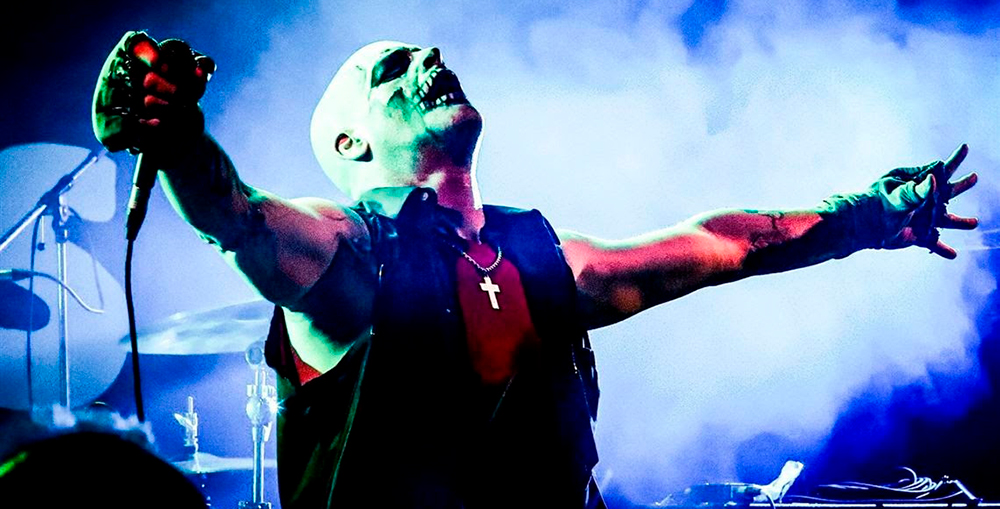
Creo que una de las aportaciones artísticas más importantes que hice a esa segunda etapa fue el personaje que creé y la imagen que desarrollé. Era ese tipo salvaje y desquiciado sobre el escenario, que se enfurecía y peleaba, completamente imprevisible. Un paciente psiquiátrico que escapaba de una camisa de fuerza antes de dos horas de caos y música. Junto con las canciones y las letras, conseguí conectar con el espíritu de aquella época de una manera en la que los otros integrantes de la banda no podían hacerlo. Tenía veinte años cuando entré en el grupo. Formaba parte de la generación X y veía e interpretaba el mundo a través de los ojos de un joven que apenas llevaba dos años fuera del instituto. Vivía en un mundo muy distinto al de Jerry, Doyle o Chud.
Canciones como «Dig Up Her Bones» y «Scream» han perdurado durante décadas y siguen conectando con nuevas generaciones. Aunque pertenecen al universo estético del horror punk, también poseen una dimensión melódica y emocional muy marcada. Cuando las escribiste, ¿hasta qué punto eras consciente de que podías estar creando algo capaz de trascender la imaginería del terror y desarrollar una identidad propia dentro de la historia del punk rock?
Ese fue siempre mi objetivo. No quería quedarme atrapado en una etiqueta musical de la que no pudiéramos salir. Trabajé mucho en dar forma y estructura a las canciones para crear algo que, esperaba, resultara nuevo y fresco. Quería innovar a partir de los cimientos que había establecido Glenn Danzig. Empecé con las canciones antiguas y, desde esa base, fui desarrollando las mías. La única manera de que pudiéramos seguir siendo relevantes era tener grandes canciones, y eso se convirtió en mi obsesión.
Después de dejar MISFITS, desarrollaste una carrera que incluye proyectos como Gotham Road y numerosos lanzamientos en solitario. Esa libertad también implicó reconstruir tu identidad artística fuera de una banda legendaria. ¿Cuál fue el mayor desafío creativo de esa transición y en qué momento empezaste a sentir que tu música podía sostenerse por sí sola, sin depender de tu pasado con MISFITS?
Siempre supe que mi música podía sostenerse por sí sola si tenía la oportunidad de demostrarlo. Siempre confié en mi capacidad para componer por la experiencia y el éxito de American Psycho y Famous Monsters. Creo que lo más difícil de aquella transición, al principio, fue el maquillaje y la ropa que llevaba sobre el escenario. Era lo único que la gente conocía de mí; nunca me había visto de otra manera. Antes he hablado de las etiquetas musicales. Pues bien, cuando la gente me veía, sacaba automáticamente conclusiones sobre cómo debía sonar mi música. Siempre quise que me tomaran en serio como compositor y sentía que, por mi apariencia y porque MISFITS había mantenido en secreto quién escribía aquellas canciones, iba a ser especialmente difícil conseguirlo fuera de ese gueto del horror punk en el que me habían colocado.
Una característica interesante de tu carrera es que muchas de tus canciones mantienen su fuerza cuando se interpretan únicamente con una guitarra acústica y tu voz. Al eliminar la distorsión, la velocidad y los elementos teatrales, la composición queda completamente expuesta. ¿Qué has descubierto sobre tu manera de escribir canciones al reinterpretar tu repertorio en este formato? ¿Hay alguna que haya adquirido un significado diferente para ti cuando la tocas en acústico?
Muchas de las canciones antiguas nacieron con una guitarra acústica, así que volver a sus raíces no fue un cambio tan grande. No soy un compositor especialmente técnico en buena parte de mi música. Podría serlo y lo he sido, pero lo que quiero decir es que muchas de esas canciones no tienen demasiados riffs ni pasajes difíciles. Están estructuradas de una manera muy parecida a las viejas canciones estadounidenses de los años cincuenta. Hay un gran énfasis en la melodía y los acordes están construidos para sostener esas líneas vocales melódicas que me salen de forma bastante natural. Una canción que últimamente ha adquirido otro sentido es «Fiend Club». Por algún motivo se ha vuelto muy melancólica para mí. En los últimos tiempos ha descendido sobre ella una oscuridad nueva y me resulta más triste de lo que jamás la había sentido.
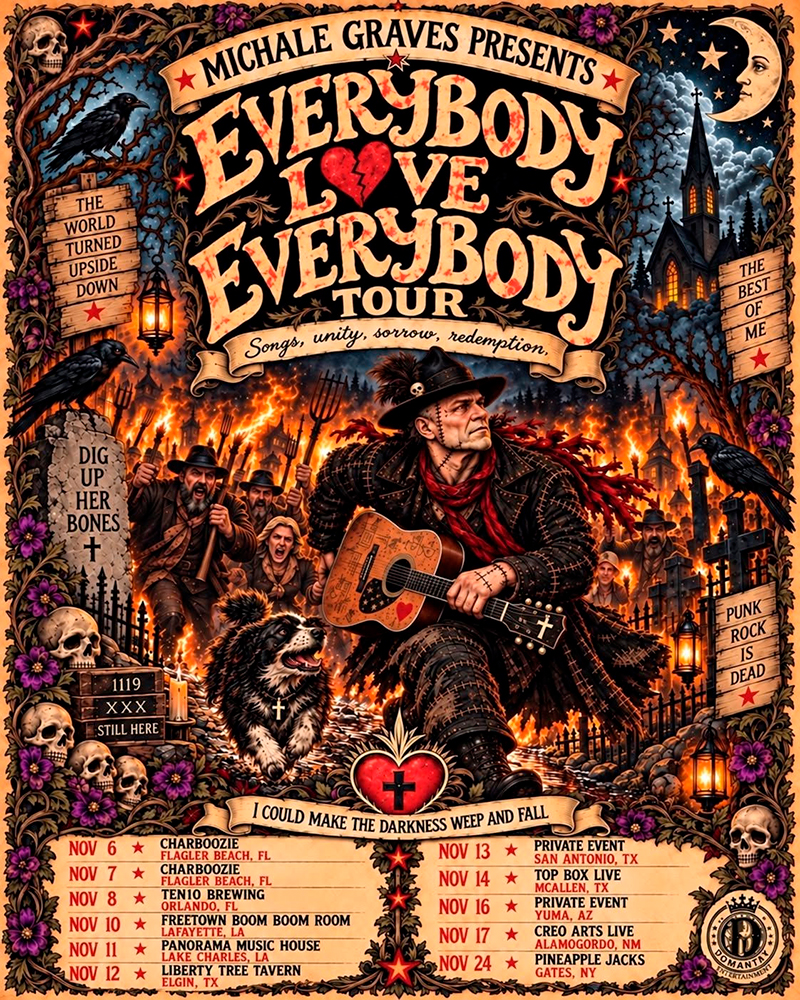
Tu próxima gira Everybody Love Everybody propone actuaciones más íntimas, en las que las canciones se entrelazan con historias y experiencias personales. A diferencia de un concierto convencional, el público también puede conocer el contexto humano que hay detrás de la música. ¿Cómo construyes el repertorio y el hilo narrativo de esos espectáculos para que sean algo más que una sucesión de canciones acompañadas de anécdotas?
En realidad, lo decido noche a noche. Tengo un repertorio básico sobre el que construyo la actuación. Cada noche es diferente. Cada público tiene su propia personalidad y su energía. Hay noches en las que la gente conecta profundamente con las emociones de las canciones y permanece en silencio, muy atenta a lo que está sintiendo. A veces hablo más de lo que toco porque me hacen preguntas o porque veo cómo reacciona el público cuando empiezo a contar una historia. Todo depende de la energía de esa noche.
El mensaje central de Everybody Love Everybody es reunir a las personas a través de la música, dejando a un lado las etiquetas y las diferencias. Al mismo tiempo, tus posiciones públicas han generado controversia y algunos conciertos europeos fueron cancelados este año. ¿Cómo concilias ese deseo de acercar a la gente con el hecho de que ciertas diferencias ideológicas siguen siendo muy importantes para parte de tu público? ¿Qué papel crees que puede desempeñar la música para recuperar el diálogo entre personas con puntos de vista muy distintos?
Las personas que trabajan para que se cancelen mis actuaciones, que me han amenazado a mí y a mi familia, y que, según lo veo, siguen tratando de crear caos y miedo y difundiendo mentiras sobre mí, desde luego no son mi público ni mis seguidores. Por mucho que me odien, y dejan muy claro cuánto me odian, siento que estoy llamado a amarlas. Cuando le preguntaron a Jesús qué era lo más importante que debíamos hacer como personas, dijo primero que, por encima de todo, debíamos amar a Dios. Pero lo segundo más importante, por encima de cualquier otra cosa, era amarnos unos a otros. Independientemente de mis diferencias ideológicas con otras personas, no soy yo quien está cancelando conciertos o rechazando oportunidades por la visión del mundo de los demás. Cada noche demuestro que la música puede reunir a personas con opiniones diferentes, porque mis seguidores y quienes vienen a verme no son todos iguales ni creen exactamente en las mismas cosas. Dicho esto, afirmaría que el 99 % de mis seguidores está de acuerdo en que debemos tratarnos con respeto, decencia y un espíritu de bondad y amor, seamos quienes seamos.
En los últimos años has hablado abiertamente de la importancia de la fe cristiana en tu vida y de cómo ha transformado tu perspectiva artística. Más allá de introducir determinados mensajes espirituales en tus letras, ¿cómo ha cambiado esa transformación tu manera de componer, actuar y entender tu responsabilidad como músico hacia quienes escuchan tus canciones?
No ha cambiado nada. Sigo teniendo la misma misión que he tenido desde que escribí mi primera canción, cuando tendría unos once años. Lo que siempre he intentado hacer con mi vida y con mi música es lo mismo que sigo haciendo ahora. Incluso en MISFITS creaba a través del filtro de mi fe.
En marzo anunciaste tu fichaje por Epochal Artists Records, un sello distribuido por Virgin Music Group, como parte de una nueva etapa creativa. También has comentado que trabajas en material que no necesariamente seguirá la dirección musical de Famous Monsters. ¿Qué podemos esperar de estas nuevas composiciones en cuanto a sonido, arreglos y producción? ¿Hasta qué punto te interesa explorar territorios musicales distintos de los que tradicionalmente se te han asociado?
Voy a ofrecer un trabajo mucho mejor producido y con un sonido de mayor calidad. Es un objetivo muy importante para mí de cara al futuro. Creo que mi manera de componer ha madurado y tengo más confianza en todos los aspectos de la interpretación. Para mí, las nuevas canciones reúnen lo que considero las partes más importantes de todas aquellas composiciones que han conectado especialmente con la gente. Estoy trabajando para ofrecer algo completamente nuevo, sin alejarme demasiado de la familiaridad y la energía que se sienten al escuchar el material antiguo. Una vez más, intento innovar dentro de esa etiqueta de género, derribar algunas barreras y llegar a algo nuevo.
A lo largo de tu carrera has alternado la estética oscura del horror punk con composiciones mucho más personales e introspectivas. También has trabajado en proyectos audiovisuales, entre ellos el documental An American Prayer. ¿Crees que existe un hilo emocional que conecta todas estas etapas aparentemente diferentes, o sientes que el artista que eres hoy necesita contar historias que el Michale Graves de hace treinta años aún no estaba preparado para expresar?
Claro que existe. Todo lo que he hecho siempre ha sido genuinamente yo. Creo que hoy la gente es especialmente sensible a eso. En este momento se busca y se valora mucho la integridad, la autenticidad y la honestidad. Desde luego, la persona que soy hoy no es la misma que era hace treinta años. Ahora estoy mucho mejor preparado, como persona, músico e intérprete, para expresar y compartir lo que hago gracias al tiempo transcurrido y a las experiencias y etapas de mi vida.
En entrevistas anteriores mencionaste que estabas trabajando tanto en nuevas grabaciones como en un libro. Después de tantos años de experiencias, cambios personales y proyectos musicales, ¿en qué punto se encuentran esos trabajos y qué aspectos de tu historia te gustaría compartir que todavía no hayan tenido cabida en tus canciones o entrevistas?
Después de que mi padre muriera en diciembre, dejé de escribir el libro en el que estaba trabajando e incluso destruí parte del manuscrito. Hay muchísimas cosas que la gente no sabe de mí, experiencias y partes de mi vida que todavía no se han contado ni compartido. Toda mi vida termina encontrando su camino hacia mi música. No suelen hacerme muchas preguntas que profundicen de verdad y que me lleven a querer revelar cosas de mi vida que antes no había contado. A veces el contexto no es el adecuado y otras veces hay experiencias que sencillamente no tienen un lugar relevante en el tejido de mi arte o de mi vida pública.
Dicho esto, mi nueva música, mis vídeos y mis próximos trabajos nos llevarán a un lugar nuevo desde el que empezaré a revelar y explicar más cosas a quien tenga interés o pueda sentirse inspirado por ellas. Estoy ilusionado con el futuro. Me siento muy afortunado, agradecido y feliz por la oportunidad que tengo ahora con EAR Records y el equipo que la acompaña.
English
Michale Graves: «I always wanted to be taken seriously as a songwriter»
The former MISFITS frontman looks back on his career, his acoustic tour and a new creative chapter
His arrival in MISFITS in 1995 marked the beginning of an era that would produce songs such as «Dig Up Her Bones» and «Scream». Yet for years, Michale Graves has sought to make sure his career is understood as more than the records he made with the band. His subsequent journey, from melodic rock to stripped-back acoustic performances, reflects an ongoing effort to shape his own identity as a songwriter. In this conversation, he discusses his contribution to the band, how certain songs have taken on new meaning over time, the Everybody Love Everybody tour, and the music he is preparing for a new chapter. He also addresses the controversies surrounding some of his shows and shares a personal detail about a book he had been working on.
Interview: Jose Cardona
When you joined the Misfits in 1995, you faced the challenge of becoming the voice of a band whose identity was deeply associated with Glenn Danzig. Yet your contribution as a songwriter was also crucial. Looking back, what do you consider your most important artistic contribution to that second era of the band, beyond your work as a vocalist?
I think one of the most artistically important contributions to the second era of the band was the character I created and the image I developed. This maniacal, wild guy on stage who would rage and fight, totally unpredictable. A mental patient bursting out of a straitjacket before two hours of mayhem and music. Along with the songs and lyrics, I was able to tap into the zeitgeist of the time in a way none of the others in the band could. I was twenty years old when I joined the band. I was part of Generation X, and I saw the world and interpreted the times through the lens of a young man hardly two years out of high school. I knew and was living in a very different world from Jerry, Doyle or Chud.
Songs such as «Dig Up Her Bones» and «Scream» have endured for decades and continue to connect with new generations. Although they belong to the aesthetic world of horror punk, they also have a strong melodic and emotional dimension. When you wrote them, to what extent were you aware that you might be creating something capable of transcending horror imagery and developing its own identity within punk rock history?
That was always my goal. I didn’t want us to become stuck in some genre box we couldn’t escape. I worked hard to shape and structure the songs in a way I hoped would become something new and fresh. I wanted to innovate from what Glenn Danzig had laid the groundwork for. I started with the old songs, and from that ground I grew my songs. The only way we could have become relevant was to have great songs, and that became my obsession.
After leaving the Misfits, you developed a career that includes projects such as Gotham Road and numerous solo releases. That freedom also meant rebuilding your artistic identity outside a legendary band. What was the greatest creative challenge of that transition, and at what point did you begin to feel that your music could stand on its own, without relying on your past with the Misfits?
I always knew my music could stand on its own if given the chance and opportunity. I always had confidence in my songwriting ability because of the experience and success of American Psycho and Famous Monsters. I think the hardest part of the transition early on was the makeup and the outfit I wore on stage. That is all people knew of me; they never saw me in anything else. I mentioned a genre box before. Well, when people saw me and what I looked like, they automatically drew a conclusion about what I must sound like. I always wanted to be taken seriously as a songwriter, and I felt that because of the way I looked and the way MISFITS had kept it a secret who wrote those songs, it would be especially difficult to establish that outside the «horror punk» ghetto I had been placed in.
One interesting feature of your career is that many of your songs retain their impact when performed with nothing but an acoustic guitar and your voice. Once the distortion, speed, and theatrical elements are removed, the songwriting is completely exposed. What have you discovered about your own approach to writing songs by reinterpreting your repertoire in this format? Is there a particular song that has taken on a different meaning for you when performed acoustically?
Many of the old songs began on an acoustic guitar, so going back to the roots of those songs wasn’t too much of a stretch. I am not a very technical writer when it comes to much of my music. I could be, and have been. What I mean is that there aren’t many riffs or difficult movements in many of these songs. They are structured much like an old American song from the fifties. There is a strong emphasis on melody, and the chords underneath are built to support those crooning melodies that just kind of come naturally. A song that has sort of repurposed itself lately is «Fiend Club». For some reason, that tune has become very melancholy for me. A new darkness has descended into the song lately, and it feels sadder than I ever remember it being before.
Your upcoming Everybody Love Everybody tour offers more intimate performances in which songs are interwoven with personal stories and experiences. Unlike a conventional concert, the audience also has a chance to understand the human context behind the music. How do you build the setlist and narrative thread of these shows so that they become more than simply a sequence of songs accompanied by anecdotes?
I take it night by night, actually. I have a basic setlist that I build the performance around. Each night is different. Every crowd has its own personality and energy. Some nights there are crowds that really dig deep into the emotions of the songs and are quiet and tuned into those frequencies. Sometimes I talk more than I play because I’ll get asked questions, or I can just see the reaction of people when I start telling them a story. So it depends on the energy of the evening.
The central message of Everybody Love Everybody is about bringing people together through music, setting labels and differences aside. At the same time, your public positions have generated controversy, and some European shows were canceled earlier this year. How do you reconcile that desire to bring people together with the fact that certain ideological differences remain deeply important to part of your audience? What role do you think music can play in restoring dialogue between people who hold sharply opposing views?
The people working to have my performances canceled, the people who have threatened me and my family, and those who have and continue to work to create chaos and fear and support and propagate lies about me are certainly not my audience or my fans. However much they hate me, and they make it very clear how much they hate me, I am called to love them. When Jesus was asked what the most important thing we are supposed to do as people was, he first said that above all things we are to love God. But the second most important thing, more important than anything else, is to love each other. Regardless of my ideological differences with people, I am not the one canceling shows or walking away from opportunities based on other people’s views of the world. I prove every night that music can bring people with different views together because my fans and the people who come to see me are not all the same and certainly don’t all believe the same things. That being said, I would attest that 99 percent of my fans agree we should treat each other with respect, decency and a spirit of goodness and love, whoever you might be.
In recent years, you have spoken openly about the importance of Christian faith in your life and how it has transformed your artistic outlook. Beyond introducing certain spiritual messages into your lyrics, how has that transformation changed the way you compose, perform, and understand your responsibility as a musician toward those who listen to your songs?
It hasn’t. I am still on the same mission I have always been on since I wrote my first song when I was about eleven. What I have always strived to do with my life and my music, I continue to do. Even in MISFITS, I was creating through the filter of my faith.
In March, you announced your signing with Epochal Artists Records, a label distributed by Virgin Music Group, as part of a new creative chapter. You have also mentioned working on material that will not necessarily follow the musical direction of Famous Monsters. What can we expect from these new compositions in terms of sound, arrangements, and production? To what extent are you interested in exploring musical territory different from what people have traditionally associated with you?
I am going to deliver a much better-produced and better-sounding product. That is a very important goal to accomplish as I move forward. I think my songwriting has become more mature, and I have become more confident in all aspects of performing. To me, the new songs are a culmination of what I believe to be the most important parts of all the songs that have especially impacted people. I am working to deliver something brand new while not getting too far away from the familiarity of the energy you feel when you hear the old stuff. I am again trying to innovate in this genre box and break down some walls in the process to arrive at something new.
Throughout your career, you have alternated between the dark aesthetic of horror punk and much more personal, introspective compositions. You have also worked on audiovisual projects, including the documentary An American Prayer. Do you believe there is an emotional thread connecting all these seemingly different stages, or do you feel that the artist you are today needs to tell stories that the Michale Graves of thirty years ago was not yet ready to express?
Of course there is. Everything I have ever done is genuinely me. I think that people nowadays are particularly sensitive to that sort of thing. Especially at this moment, integrity and being genuine and honest are sought after and valued. Certainly who I am today is not who I was thirty years ago. I am much better suited as a man, a musician and a performer to be able to express and share the things that I do because of the time gone by and my experiences and seasons of those times.
In previous interviews, you mentioned that you were working on both new recordings and a book. After so many years of experiences, personal changes, and musical projects, where do those works stand today, and which aspects of your story would you like to share that have not yet found a place in your songs or interviews?
After my father died in December, I stopped writing the book I was working on and actually destroyed some of the manuscript. There are a great many things people don’t know about me and many experiences and parts of my life and times that haven’t been shared or told. All of my life makes it into my music. I don’t get asked a lot of probing questions that then cause me to want to reveal things in my life that weren’t previously known or shared. Sometimes the context is just not right, or sometimes parts of my experience just don’t have a relevant place in the fabric of my art or public life.
That being said, my new music, videos and creations will bring us to a new place, and from there I will begin to reveal and articulate more to whoever might be interested or inspired to know. I am excited for the future. I am so blessed and fortunate and happy to have the opportunity I now have with EAR Records and the team that comes along with it.