Castellano
El círculo se completa: el legado de Gary Moore continúa
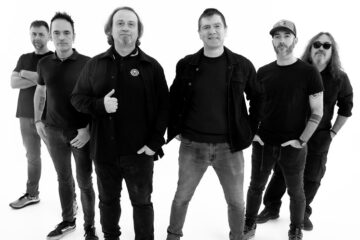
Tuve la enorme fortuna de entrevistar a Gary Moore y también a músicos que compartieron con él tantos años de música, escenarios y vivencias. Quienes me conocen saben que mi admiración por Gary va mucho más allá de lo estrictamente musical. He escrito numerosos artículos sobre su carrera y siempre he sentido un profundo respeto por su figura y por todo lo que representó para el mundo de la guitarra. Por eso, entrevistar ahora a su hijo Jack ha sido algo muy especial. De alguna manera, siento que el círculo se completa y que aquella historia que comenzó hace tantos años encuentra ahora su continuación más cercana y familiar.
Pero sería injusto hablar de Jack Moore únicamente como el hijo de Gary Moore. Jack tiene su propia personalidad, su manera de sentir la guitarra y un camino musical perfectamente definido. Esta gira no es un tributo. En ella interpretará sus propias canciones junto a algunos de los temas más grandes de su padre, celebrando su legado sin dejar de mostrar quién es él realmente. Hay que acercarse a esta gira con respeto, con emoción y, sobre todo, con ganas de descubrir a Jack Moore como artista. Aunque, seguramente, en algún momento del concierto, al cerrar los ojos y dejarse llevar por la guitarra, será inevitable sentir que el alma de Gary continúa muy cerca.
Por comodidad de ambas partes, la entrevista se realizó por escrito: le envié las preguntas a Jack Moore y él se tomó el tiempo necesario para responderlas con calma. Antes de comenzar, quiso dejarnos este mensaje:
«¡Aquí lo tienes, amigo! Espero que esté bien. Por cierto, ¡muy buenas preguntas! Ha sido una entrevista fantástica y me ha hecho reflexionar mucho».
Jack, antes de hablar de la gira, quería preguntarte algo personal. Tengo entendido que pasaste una etapa de tu vida viviendo en Barcelona; si estoy equivocado, acepta mis disculpas. ¿Fue así? ¿Qué te llevó hasta allí y qué recuerdos guardas de aquella época?
¡Sí! Pasé algunos años allí. Siempre he sentido una afinidad especial con Barcelona, desde que era niño. Incluso le decía a mi madre que algún día viviría allí, así que supongo que la llevo en el corazón desde muy pequeño. Es mi lugar favorito del mundo y tengo muchas ganas de tocar allí. Mi intención es volver a vivir en Barcelona próximamente.


Ahora regresas a España con una gira muy especial, centrada en la música de tu padre, Gary Moore. Para ti, personalmente, ¿este proyecto es un homenaje, una continuación natural o algo mucho más íntimo?
Para nosotros es una celebración de la música de mi padre y, al mismo tiempo, una oportunidad para mostrar al público español las canciones originales que hemos creado y acercarlo a nuestro propio universo musical. Es algo que estamos deseando hacer.
España tiene una conexión emocional muy especial con la historia de Gary Moore. ¿Tocar aquí le da a esta gira un significado diferente para ti?
Sí. A mi padre le encantaba España, así que eso hace que sea todavía más especial. Cuando yo era pequeño pasábamos largas vacaciones allí y siempre fue un lugar muy cercano a su corazón. Espero que entre el público también haya personas que vieran a mi padre en concierto. Creo que eso sería muy especial.
Está claro que tú eres Jack Moore y que tienes tu propio camino como músico, pero también es imposible ignorar que eres hijo de Gary Moore. ¿Cómo convives con ese equilibrio entre tu propia identidad artística y el peso de tu apellido?
Sí, siempre ha sido un arma de doble filo. Nunca he evitado quién soy, pero tienes que desarrollar tu propia identidad. En ningún momento he intentado ser él. Eso sería imposible. Era absolutamente único y, en mi opinión, el mejor guitarrista de todos los tiempos. Al mismo tiempo, lo que sí puedo hacer es honrarlo a mi manera, lo mejor que pueda. Definitivamente, existen similitudes entre nuestras formas de tocar.
¿Sientes a veces que una parte del público se acerca a ti buscando a tu padre, en lugar de escucharte como artista? Y, en ese caso, ¿cómo lo gestionas?
Sí, por supuesto que ocurre, pero creo que es algo bonito, que nace del amor, y eso puede resultar reconfortante. No veo cómo podría ser algo negativo, porque una parte de lo que hace que ames la música es amar también a la persona que la crea. Si cuando me ven a mí ven a mi padre, no pasa nada, porque lo familiar genera consuelo.
Cuando subes al escenario para interpretar canciones de Gary Moore, ¿sientes que estás representando su legado, recordándolo como padre o manteniendo un diálogo con él a través de la música?
Definitivamente, existe un sentimiento de responsabilidad que te acompaña al ser su hijo e interpretar su música. Al llevar su sangre, hace que, en cierto sentido, resulte más «oficial». Sí siento que estoy más cerca de él cuando interpreto su música sobre el escenario, así que, de alguna manera, también es algo catártico.
¿Cuál es tu primer recuerdo claro de tu padre con una guitarra en las manos, no como la leyenda Gary Moore, sino como tu padre en casa?
No estoy seguro de cuál fue el primer recuerdo, pero tenía la guitarra entre las manos tan a menudo que conservo muchísimos recuerdos de ese tipo: tocando en el sofá o en cualquier otro lugar. Era como una extensión de sí mismo. Creo que, cuando era muy pequeño, la vería como el juguete de papá, jajaja. Pero, al crecer, te das cuenta de que, por supuesto, era mucho más que eso.
¿En qué momento fuiste consciente de que tu padre no era solamente tu padre, sino también uno de los guitarristas más respetados de la historia del rock y del blues?
Creo que, al ver la reacción del público hacia él cuando estaba de gira a su lado o asistía a alguno de sus conciertos, podías percibir el nivel de admiración y prestigio que despertaba en la gente. Si a eso le sumas la enorme consideración que le tenían, y que todavía le tienen, sus contemporáneos y compañeros, resulta imposible no comprender el nivel que alcanzó. En mi opinión, llegó a la cima absoluta de la guitarra.
¿Existe algún recuerdo personal suyo que creas que ayudaría a los seguidores a comprender mejor el lado más humano y familiar de Gary Moore, lejos del escenario?
Siempre tenía un gran sentido del humor, especialmente cuando estaba relajado y en casa. Era algo que contrastaba mucho con el hombre serio que era sobre el escenario. Encendió dentro de mí un fuego que nunca me permitiría volverme conformista. Por muy bueno que fuera, siempre intentaba mejorar. Para él, la música era un viaje interminable, y yo siento lo mismo.

Más allá del inmenso músico que todos conocemos, ¿cómo era Gary Moore dentro del entorno familiar? ¿Qué imagen íntima de tu padre te gustaría que la gente también recordara?
Por encima de todo, era un hombre de familia. Habría hecho cualquier cosa por sus hijos. Incluso cuando mis padres se divorciaron y yo vivía con mi madre, siempre se aseguraba de estar cerca y de pasar con nosotros todo el tiempo que podía. Fue un gran padre.
¿Te dejó algún consejo musical o vital que todavía tengas muy presente hoy en día?
Solo quería que fuera yo mismo y que desarrollara mi propia identidad. Una de las cosas que aprendí es que la pasión y la determinación tienen que nacer dentro de ti. Puedes disponer del entorno perfecto para formar a un músico dedicado, pero el deseo tiene que proceder de ti y de nadie más.
¿Conservas alguna guitarra, amplificador u objeto musical que perteneciera a tu padre y que tenga un valor especial para ti? Y, si alguna vez lo has utilizado en directo o en el estudio, ¿qué se siente al tocar algo que perteneció a Gary Moore? ¿Es simplemente un instrumento o se convierte emocionalmente en algo mucho más profundo?
Sí, por supuesto. Tengo una guitarra que era suya y que él me decía que nunca llegaría a tener, así que me aseguré de que fuera lo primero que recuperara, jajaja. Sobre todo porque sabía que a él le habría hecho gracia.
Es una Gibson Firebird con la pala invertida, muy poco habitual. Es una guitarra que aprecio muchísimo.
También tengo una Les Paul que me regaló por mi decimoctavo cumpleaños, con mi nombre escrito en la pala, y que es muy importante para mí. Por supuesto, cualquier cosa que le perteneciera tiene una energía y un significado especialmente profundos.
Si tuvieras que elegir una etapa de la carrera de tu padre, ¿cuál te llega más personalmente: Thin Lizzy, la etapa más hard rock de Gary Moore, el periodo de blues o su vertiente más celta y melódica?
Me gustan todas sus etapas, incluso cuando experimentó con Dark Days in Paradise. Para mí, muchas veces todo se reduce al valor sentimental. Por ejemplo, si estuve presente en el estudio mientras grababa, eso hace que la música despierte recuerdos y que sienta una conexión mucho más intensa con ella. Un buen ejemplo sería BBM, que además es mi trabajo favorito de su carrera. Estuve en los estudios Hook End mientras grababan y guardo recuerdos muy bonitos de mi padre junto a Jack Bruce y Ginger Baker, que fueron muy amables conmigo.
Siempre recuerdo estar sentado en las escaleras de su casa escuchando el álbum en mi Discman. Era mi disco favorito. La canción que más me gustaba era “Glory Days”. Ahora mi favorita de aquel álbum es “Why Does Love Have to Go Wrong”, cantada por Jack. Es un álbum espectacular y tremendamente infravalorado. Recomiendo encarecidamente que lo escuche cualquiera que todavía no lo haya descubierto.
Canciones como “Still Got the Blues”, “Parisienne Walkways”, “The Loner” o “Empty Rooms” tienen un peso emocional enorme para los seguidores. ¿Cuál de ellas sientes más cercana a tu propia historia personal?
Me encantan la nostalgia y el romanticismo de “Still Got the Blues” y “Parisienne Walkways”. “The Loner” y “Empty Rooms” son historias de aislamiento y soledad con las que creo que todo el mundo puede identificarse en algún momento. Conecto profundamente con todas ellas. Realmente depende de lo que estés viviendo en cada etapa de tu vida y de cuál sea la canción que más te llegue en ese instante.
¿Existe alguna canción de tu padre que te resulte especialmente difícil de interpretar, no por la técnica, sino por lo que significa emocionalmente?
A veces, “Still Got the Blues” puede sorprenderme sin que me dé cuenta, a pesar de haberla tocado cientos de veces. En varias ocasiones he tenido que contener las lágrimas sobre el escenario, así que sí, puede ser una canción complicada.
Gary Moore tenía un sonido absolutamente reconocible: el tono, el vibrato, la intensidad. Como guitarrista, ¿qué parte de su forma de tocar crees que es imposible de imitar?
En su caso era algo que lo abarcaba todo, pero creo que el fuego y la ferocidad de su forma de tocar no tenían rival. Realmente no se me ocurre nadie que posea esa intensidad. Es algo que no se puede fingir: o lo sientes o no lo sientes.
Creo que es ahí donde más me acerco a mi padre: esos bendings feroces en los que luchas contra la guitarra hasta que te sangran los dedos y depositas toda tu alma en el instrumento. Es algo que ocurre de manera natural cuando tienes una buena conexión con el público. Te conviertes en un canal para su energía y para la tuya propia. Si eres lo suficientemente sensible para aprovecharla, la absorbes por completo. La guitarra se convierte en una forma de liberarlo todo de golpe y puede llegar a ser algo muy intenso.
Neil Carter nos contó en una entrevista que lo que guarda en su corazón de Gary son las canciones que escribieron juntos, su increíble talento y el privilegio de haber sido su amigo y compañero de viaje. Como hijo suyo, ¿qué sientes cuando músicos que compartieron la vida y el escenario con tu padre continúan hablando de él con tanto cariño y respeto después de tantos años?
Siempre es maravilloso escucharlo porque, muy a menudo, expresan exactamente lo mismo que yo siento. Son cosas que ya sé que son ciertas y en las que creo, así que, cuando comparten ese mismo sentimiento, hacen que los valore todavía más como personas.


Neil Carter también nos contó una historia muy especial: cuando Kirk Hammett tocó con UFO en 2019, volvió a ver después de décadas la famosa Gibson Les Paul de 1959 asociada a Peter Green y Gary Moore. Para muchos músicos, esa guitarra es casi un símbolo sagrado. ¿Qué representa esa Les Paul para ti dentro de la historia de tu padre?
Sí, evidentemente es una guitarra muy especial, que conserva mucha energía y prestigio por las personas que la poseyeron anteriormente. Ha adquirido un estatus casi mítico, pero lo que hacía que aquella guitarra fuera tan especial era que la tocaba mi padre. Puedes colocar el mejor revólver del mundo en las manos de alguien, pero eso no lo convertirá en Jesse James. Aquella guitarra respondía ante él.
Gary Moore pertenece a millones de seguidores, pero también pertenece a su familia. ¿Es difícil separar a Gary Moore como figura pública y como mito del Gary Moore privado que tú conociste?
Tengo la suerte de conservar veintitrés años de maravillosos recuerdos junto a mi padre que nunca olvidaré. La música era, evidentemente, una parte de todo aquello, pero valoro profundamente cada uno de esos recuerdos.
También existen otras conexiones musicales dentro de tu familia. Tu hermana ha seguido igualmente un camino artístico. ¿Ha sido la música una especie de lenguaje familiar para vosotros o cada uno ha encontrado su propio camino de una forma diferente?
Sí, creo que todos tenemos nuestra propia identidad musical, y eso es algo muy bonito. Mi hermano Gus está haciendo algo muy diferente con su banda, Sassy, que además nos acompañará en el concierto de Barcelona, así que será una gran noche.
La hermana de tu padre, tu tía, también ha estado vinculada a la conservación de su memoria. ¿Qué papel crees que tiene la familia a la hora de proteger el legado de Gary Moore y recordar a la persona que existía detrás del músico?
Al final, lo que hace especial a la música son las conexiones personales que cada persona establece con ella. Yo intento hacer todo lo posible para mantener viva su memoria de cualquier manera que pueda. Siempre estaré dispuesto a interpretar sus canciones. Me encanta compartir esa conexión con los seguidores y también disfruto escuchando los recuerdos que otras personas conservan de mi padre.
Además de esta gira, estás trabajando en “Love Is Thunder”, con una formación impresionante: Ian Paice, Don Airey, Bob Daisley, Quentin Kovalsky y tú mismo a la guitarra. ¿Cómo surgió este proyecto y qué representa para ti dentro de tu propio camino musical? ¿Lo ves como un nuevo capítulo personal, como una forma de mantener vivo cierto espíritu musical o como ambas cosas al mismo tiempo?
¡Sí! Estoy increíblemente ilusionado con este proyecto. Es una canción que escribí en 2024. Construí la base en mi ordenador portátil de una forma muy rudimentaria, pero podía percibir que la canción iba a ser especial. Tenía una especie de ambiente de rock clásico de los años sesenta y setenta, así que, siguiendo ese espíritu, busqué a los mejores músicos posibles para el trabajo. Todos ellos son increíblemente talentosos y forman parte de ese reducido grupo de músicos que se encuentran entre los mejores de todos los tiempos en sus respectivos instrumentos.
Quentin Kovalsky, con quien evidentemente estoy de gira, produjo la canción y también aportó su voz. Ahora suena fantástica. Tenemos muchísimas ganas de que la gente pueda escucharla. Es algo realmente único. La canción ya habrá sido publicada cuando estemos de gira.
Si tu padre pudiera ver esta gira, con su hijo interpretando su música delante de sus seguidores y construyendo al mismo tiempo su propio camino, ¿qué crees que te diría?
Probablemente me diría que no bebiera demasiado y que trabajara más mi técnica, jajaja. No, sinceramente, creo que le encantaría el álbum que hemos hecho. Es totalmente el tipo de música que le gustaba. Querría que estuviera concentrado y que no perdiera de vista el objetivo. Creo que querría que la gente reconociera mi forma de tocar la guitarra. Eso le haría sentirse orgulloso.
English
Jack Moore: “My father wanted me to be myself and craft my own identity”
The circle is complete: Gary Moore’s legacy continues
I had the enormous privilege of interviewing Gary Moore, as well as musicians who shared so many years of music, stages and experiences with him. Those who know me are aware that my admiration for Gary goes far beyond music alone. I have written numerous articles about his career and have always felt a deep respect for him and for everything he represented in the world of guitar. That is why interviewing his son Jack now has been so special. In some way, I feel that the circle is complete and that the story which began so many years ago has now found its closest and most personal continuation.
But it would be unfair to speak of Jack Moore only as Gary Moore’s son. Jack has his own personality, his own way of feeling the guitar and a clearly defined musical path. This tour is not a tribute. He will perform his own songs alongside some of his father’s greatest tracks, celebrating that legacy without ever ceasing to show who he truly is.
This is a tour to approach with respect, emotion and, above all, a desire to discover Jack Moore as an artist. Yet there will surely be a moment during the concert when, with your eyes closed and carried away by the guitar, it will be impossible not to feel that Gary’s soul remains very close.
For the convenience of both parties, the interview was conducted in writing: I sent Jack Moore the questions and he took the time to answer them thoughtfully. Before beginning, he wanted to leave us this message;
“Here you go man! Hope this is ok. Great questions by the way! Was a really great interview and made me think a lot.”
Jack, before talking about the tour, I wanted to ask you something personal. I understand that you spent a short period of your life living in Barcelona; if I am mistaken, please accept my apologies. Was that the case? What brought you here and what memories do you have from that time?
Yes! I did spend a few years there. I’ve always had an affinity with Barcelona ever since I was a kid. I even told my mother I would live there when I was a kid, so I guess it’s been in my heart from an early age. It’s my favourite place in the world and I’m looking forward to playing there. I intend on moving back there soon
You are now returning to Spain with a very special tour focused on the music of your father, Gary Moore. For you personally, is this project a tribute, a natural continuation, or something much more intimate?
For us it’s a celebration of my fathers music whilst having the opportunity to show Spain the originals we have crafted and introduce them to our world musically, which we are very much looking forward to
Spain has a very special emotional connection with Gary Moore’s story. Does playing here give this tour a different meaning for you?
Yes, my father loved Spain, so it makes it extra special. We took long holidays there when I was younger and it was always close to his heart. Hopefully there are those there that have seen my father in concert too, I think that would be special
It is clear that you are Jack Moore and that you have your own path as a musician, but it is also impossible to ignore the fact that you are Gary Moore’s son. How do you live with that balance between your own artistic identity and the weight of your surname?
Yeah, it’s always been a double edged sword. I’ve never shied away from who I am but you have to have your own identity. At no point have I ever tried to be him, that would be impossible, he was a total one off, and in my opinion the best guitarist ever. At the same time what I can do is honour him in my own way as best I can. There are definitely similarities in our playing
Do you sometimes feel that part of the audience approaches you looking for your father rather than listening to you as an artist? And if so, how do you deal with that?
Yeah absolutely that happens, but I think it’s a nice thing and it comes from a place of love, and that can be comforting. I don’t see how it can be a negative because part of what makes you love music is loving the person that makes it, and if they see Dad when they see me that’s fine because familiarity breeds comfort.
When you go on stage to perform Gary Moore’s songs, do you feel that you are representing his legacy, remembering him as your father, or having a dialogue with him through music?
There’s definitely a sense of responsibility that behooves you, being his son and playing his music because as his blood it makes it more «official» in a sense. I do feel closer to him when I’m playing his music on stage, so it’s cathartic in a way
What is your first clear memory of your father with a guitar in his hands, not as Gary Moore the legend, but as your father at home?
I’m not sure about the first memory but he had his guitar in his hand so much there are many memories of that particular scenario, playing on the couch or wherever. It was like an extension of him. I think as a young child I would have seen it as Dad’s toy haha, but growing up you realise it was much more than that of course haha.
At what point did you become aware that your father was not only your father, but also one of the most respected guitarists in the history of rock and blues?
I think having seen the audience reaction to him whilst being on tour with him or at any of his shows, you could see the level of adoration and prestige that he conjured from people. Coupled with the incredibly high esteem in which he was, and still is held by his contemporaries and peers it’s impossible not to understand the level he reached- which in my opinion was the pinnacle of guitar
Is there any personal memory of him that you think would help fans better understand the more human, family side of Gary Moore, away from the stage?
He always had a great sense of humour about things, when he was relaxed and at home, which really belied the serious man he was when he was on stage. He created a fire inside me that would never let me become complacent. No matter how good he was he would always try to be better, music was a never ending journey for him and I feel the same
Beyond the immense musician we all know, what was Gary Moore like within the family environment? What intimate image of your father would you also like people to remember?
Yeah above all he was a family man. He’d do anything for his kids. Even when my parents divorced and I lived with my Mum he would always make sure he was close and would spend as much time with us as he could. He was a great father
Did he leave you any musical or life advice that you still keep very much in mind today?
He just wanted me to be myself and craft my own identity. One thing I learned is that the passion and drive has to come from within you. You can have the perfect environment to create a dedicated musician but the desire has to come from you and no one else.
Do you keep any guitar, amplifier or musical object that belonged to your father and has a special value for you? And if you have ever used it live or in the studio, what does it feel like to play something that belonged to Gary Moore: is it simply an instrument, or does it become something much deeper emotionally?
Yes absolutely. There’s a guitar I have that was his that he told me I’d never own, so I made sure that was the first thing I took back haha Mostly because I knew he’d find it funny. It’s a Gibson firebird with a reverse headstock, very rare. It’s one I cherish. I have a les Paul he got me for my 18th birthday with my name on the headstock which I hold very dear. Of course anything that belonged to him has an extra special vibe and meaning.
If you had to choose one period of your father’s career, which one touches you the most personally: Thin Lizzy, the more hard rock Gary Moore, the blues period, or his more Celtic and melodic side?
I love all his endeavours, even when he got experimental with Dark Days in paradise.
For me a lot of it comes down to sentimental value, like if I was around in the studio when he was recording etc. because that way it elicits memories and I feel a stronger connection to the music. A good example of that would be BBM, which happens to be my favourite work of his.
I was around in hook end when they were recording, and I have very fond memories of him with Jack Bruce and Ginger Baker who were very kind to me. I always remember sitting on the stairs at his listening to the album on my discman, was my favourite album. I loved Glory Days the most. Now my favourite on that album is «Why does love have to go wrong» which Jack sung. It’s an incredibly underrated, spectacular album which I implore anyone to listen to if they haven’t discovered it already.
Songs such as «Still Got The Blues», «Parisienne Walkways», «The Loner» or «Empty Rooms» carry a huge emotional weight for the fans. Which of them feels closest to your own personal story?
I love the nostalgia and romance of Still Got and Parisienne, Loner and Empty Rooms are tales of solitude and loneliness that I think everyone can identify with at some point I resonate with all of them deeply, it really depends what you’re going through in life at the time which you connect with the most in that moment
Is there any song by your father that is especially difficult for you to perform, not because of the technique, but because of what it means emotionally?
I find that Still Got can creep up on me sometimes without me realising, despite the fact that I’ve played it hundreds of times. A few times I’ve had to fight back tears onstage so yeah that can be a tricky one
Gary Moore had an absolutely recognisable sound: the tone, the vibrato, the intensity. As a guitarist, what part of his playing do you think is impossible to imitate?
It’s quite an all encompassing thing with him, but I think the sheer fire and ferocity in his playing was completely unrivalled. I really can’t think of anyone who has that intensity, it’s just something you can’t fake. You either feel it or you don’t. I think that’s where I’m closest to Dad. Those ferocious bends where you fight the guitar until your fingers bleed and you put your entire soul into the guitar
That’s something that naturally happens if you have a good connection with the audience. You become a conduit for both their energy and your own, and if you are sensitive enough to harness that energy you take it all in. The guitar becomes a way to release it all at once and it can be very intense
Neil Carter told us in an interview that what he keeps in his heart about Gary are the songs they wrote together, his incredible talent, and the privilege of having been his friend and travelling companion. As his son, what do you feel when musicians who shared life and the stage with your father continue to speak about him with such affection and respect after all these years?
It’s always wonderful to hear because so often they echo my own sentiments, they’re things I already know to be true and believe in so I always think more of them as people when the share that same sentiment
Neil Carter also told us a very special story: when Kirk Hammett played with UFO in 2019, he saw again after decades the famous 1959 Gibson Les Paul associated with Peter Green and Gary Moore. For many musicians, that guitar is almost a sacred symbol. What does that Les Paul represent to you within your father’s story?
Yeah it’s obviously a very special guitar, which holds a lot of energy and prestige from its past owners. It’s taken on an almost mythical status, but what made that guitar so special is that it was Dad playing it. You could put the finest revolver in someone’s hand, but it won’t make them Jesse James. That guitar answered him
Gary Moore belongs to millions of fans, but he also belongs to his family. Is it difficult to separate Gary Moore the public figure, the myth, from the private Gary Moore that you knew?
I’m fortunate enough to have 23 years of great memories with Dad that I’ll never forget. Music was obviously a part of that but I cherish it all
There are also other musical connections within your family. Your sister has also followed an artistic path. Has music been a kind of family language for you, or has each of you found your own path in a different way?
Yeah, I think we all have our own identities musically which is really nice. My brother Gus is doing something very different with his band Sassy who are joining us for the Barcelona show, so that’s gonna be a great night
Your father’s sister, your aunt, has also been linked to preserving his memory. What role do you think the family has in protecting Gary Moore’s legacy and remembering the person behind the musician?
At the end of the day what makes music special is the personal connections people have to it but I try my best to keep his memory alive in any way I can. I’ll always have time for playing his songs. I love sharing that connection with fans and I enjoy hearing others memories of my father
In addition to this tour, you are working on «Love Is Thunder», with an impressive line-up: Ian Paice, Don Airey, Bob Daisley, Quentin Kovalsky and yourself on guitar. How did this project come about and what does it represent for you within your own musical path? Do you see it as a new personal chapter, as a way of keeping a certain musical spirit alive, or as both things at once?
Yeah! I’m incredibly excited about this one. It’s a track I wrote in 2024, and I built the bones of it on my laptop in a super rough way, but I could tell the song was gonna be special. It had this kinda 60’s 70’s classic rock vibe so in that spirit I sought out the best possible personnel for the job
All incredibly talented and part of a handful of the best at their instruments ever Quentin Kovalsky, who obviously I’m touring with produced the track and lenses his vocals and it sounds fantastic now. We’re really looking forward to people hearing, it’s really unique. It’ll be out by the time we are touring
If your father could see this tour, with his son playing his music in front of his fans and alsobuilding his own path, what do you think he would say to you?
Probably don’t drink too much and work on my chops! Haha… No, I think he’d love the album we made, it’s very his kinda thing. He’d want me to focus and keep my eyes on the prize. He would want people to recognise my guitar playing I think, that would make him proud