Castellano
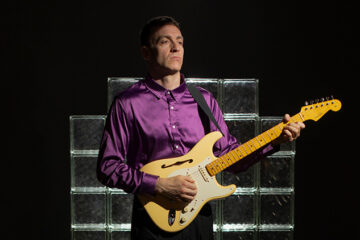
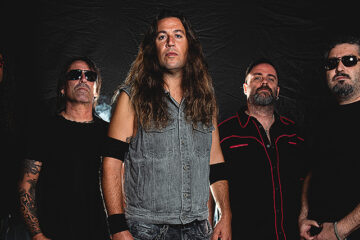
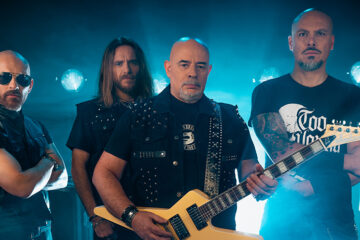
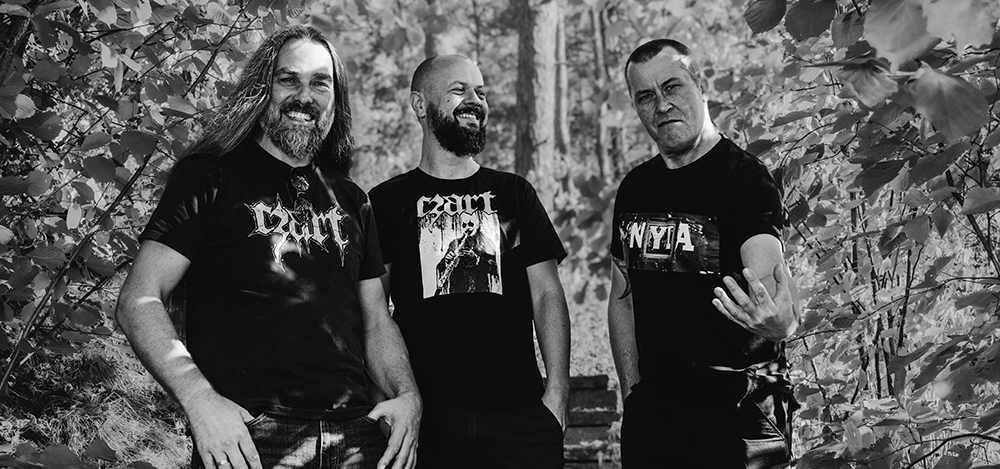
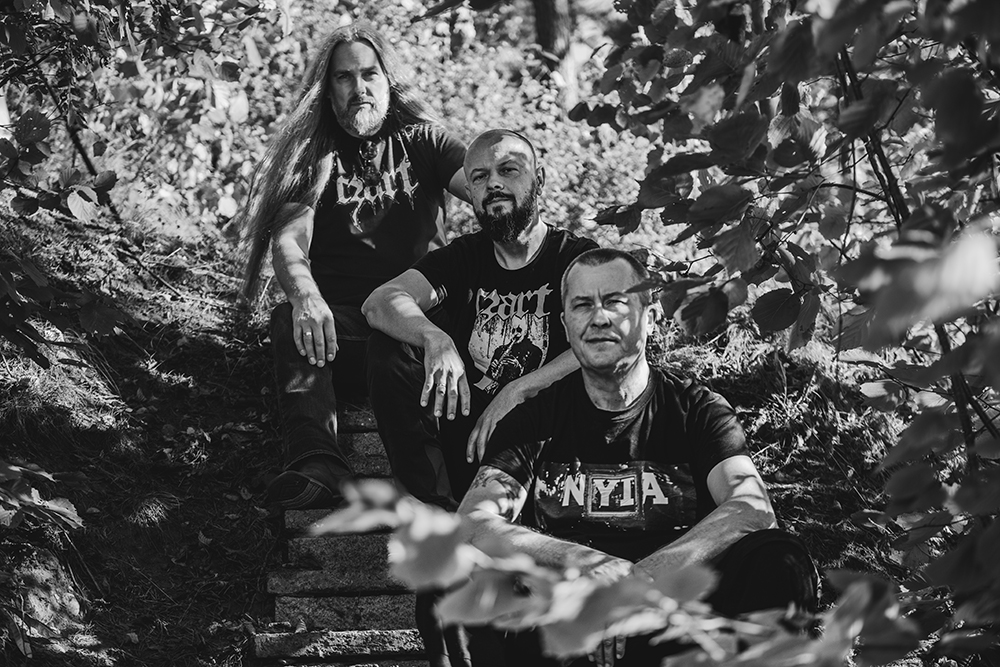
Jarosław Łabieniec es uno de esos músicos cuya trayectoria permite recorrer varias etapas fundamentales del metal extremo polaco. Nacido en Kętrzyn en 1974, el guitarrista y compositor formó parte de Vader durante la primera mitad de los años noventa y participó en trabajos esenciales como Sothis, De Profundis y Future of the Past, además del directo The Darkest Age – Live ’93. Tras aquella etapa, Łabieniec continuó explorando otros lenguajes a través de proyectos como Nyia, Clayseny y Człeczłoczłek, además de colaborar con formaciones como Dies Irae, Larva, Impurity y Sweet Noise. Su carrera refleja una búsqueda que va más allá de la técnica. Ahora, el guitarrista inicia una nueva etapa con CZART. Coincidiendo con el anuncio oficial, conversamos con Jarek sobre su historia. Fotos: Alina Gabrel-Kamińska.
Hola, Jarek. ¿Que tal estas? Después de una trayectoria desarrollada entre proyectos y lenguajes musicales distintos, tu incorporación en CZART ha sorprendido gratamente a muchos seguidores de la banda. ¿Cómo comenzó vuestra relación y qué encontraste en su propuesta para decidir que este era el momento de formar parte de ella?
¡Hola, Marta! Estoy muy bien, gracias, y espero que tú también. Mi aventura con CZART comenzó con «Peregrynacja dziadowska», una pieza que me dejó completamente impresionado, tanto musical como visualmente. Algún tiempo después, Michał y yo nos pusimos en contacto y me propuso colaborar como invitado en una de las nuevas canciones, «Love Incantation». La propuesta consistía principalmente en grabar algunas partes con mi idiófono de acero, el Rav Vast Drum.
Desde mi punto de vista, la valentía artística de la banda había alcanzado su punto álgido, y pensé: «Estoy dentro». Cuando viajé por primera vez al universo de CZART, no tenía ni idea de que acabarían invitándome a formar parte del grupo. Una vez allí, fueron los propios músicos quienes terminaron de conquistarme. Me abrieron las puertas de su espacio con total naturalidad y estoy profundamente agradecido por ello.
Czart tiene un sonido y una identidad muy definidos. ¿Cómo afrontas tu entrada en la banda para respetar su trayectoria y, al mismo tiempo, aportar tu propia forma de tocar? Dentro de ese equilibrio, ¿qué aspectos de tu forma de entender la música encajan de manera natural con CZART y cuáles pueden aportar algo diferente a su sonido?
Todavía no lo sé. Por ahora estoy concentrado en adaptarme a las ideas que ya existen y a las canciones que se han publicado. Desde luego, no tengo intención de poner patas arriba el universo musical de mis compañeros. Si llega el momento de hacerlo, todos lo sentiremos y entonces estaremos encantados de poner a CZART patas arriba.
Tu entrada en CZART implica también acercarte al material que la banda publicó en Czarty Polskie. ¿Has empezado ya a trabajar esos temas? A la hora de aprender una canción compuesta por otros músicos, ¿qué necesitas comprender primero: su estructura o la intención emocional que hay detrás?
Primero, la batería y el pulso de la canción; después, los riffs que tengo que aprender y, posiblemente, mis propias propuestas de guitarra. Ese es mi orden de trabajo. Nunca pregunto a los músicos qué emociones experimentaban cuando compusieron una canción o un pasaje determinado.
Quiero retroceder un poco en tu trayectoria y detenerme en los años que formaste parte de Vader. De Profundis sigue siendo un disco de referencia dentro del death metal europeo. ¿Eras consciente entonces de la repercusión que podía llegar a tener o simplemente estabas centrado en vivir y disfrutar aquel momento?
Siempre me centro únicamente en el momento presente, porque es único y lo más importante. Jamás habría imaginado que aquel disco provocaría semejante revuelo. Aunque no soy el autor de las canciones de De Profundis, todavía me alegra muchísimo escuchar palabras de reconocimiento hacia el gran nivel de aquel álbum.
Cuando escuchas De Profundis tantos años después, ¿reconoces tu manera de tocar de aquella época? ¿Qué músicos o influencias crees que estaban más presentes en tu estilo entonces?
Sí, pertenecen a Jeff Hanneman y Kerry King 🙂
Quiero detenerme ahora en Nyia. Hace poco volví a escuchar Head Held High y More Than You Expect y me sorprendió comprobar cómo ambos discos mantienen su fuerza y siguen resultando difíciles de encasillar más de dos décadas después. Nyia nació en Olsztyn en 1999, cuando el metal extremo todavía estaba muy condicionado por géneros reconocibles. ¿Fue un proyecto creado para romper esas fronteras o las canciones acabaron destruyéndolas por sí mismas?
No queríamos romper ninguna frontera ni derribar nada. Queríamos negarlo todo y tocar metal, pero al mismo tiempo sin tocarlo como tal. El resultado musical de nuestros dos álbumes es una consecuencia natural de las decisiones que tomamos.
Si Nyia hubiera aparecido diez o quince años más tarde, o incluso ahora, en una época más receptiva al mathcore, la disonancia y el metal experimental, ¿crees que su historia habría sido diferente?
Eso no lo sé. Lo que sí sé es que todo sucedió exactamente en el momento en que tenía que suceder.
Muchas bandas polacas transmiten una oscuridad distinta a la de las formaciones escandinavas o estadounidenses, en la que confluyen la severidad interpretativa y la ferocidad. ¿Qué relación tienes con esa escena y hasta qué punto te dejas llevar por la intuición a la hora de crear?
No sé mucho sobre la oscuridad de otras bandas polacas. No es algo que entre dentro de mis intereses. Yo no planifico nada. Soy un músico intuitivo y me dejo llevar por la corriente, por la fuerza de los elementos. Todos los sonidos que escucháis de mí me llegan del Espacio. Yo simplemente los traslado a los instrumentos. Lo considero un regalo y estoy profundamente agradecido al Universo por ello.
La identidad musical se construye también a partir de ciertos descubrimientos. ¿Qué discos o bandas alteraron tu forma de escuchar y qué aprendiste de ellos?
La música ha estado presente en mi vida desde que tengo uso de razón, y muy pronto empezaron a aparecer estilos muy diferentes. Siempre me interesó la velocidad en las composiciones, y en aquella época solo los punks y los metaleros tocaban rápido. Absorbía todo aquel ruido como una esponja absorbe el agua, hasta que escuché «Discipline», de King Crimson, y comprendí que se podía tocar con contundencia sin necesidad de ser una banda de metal.
La siguiente sacudida llegó con Siekiera y su «Nowa Aleksandria». Aquellos punks ortodoxos se alejaron del punk para adentrarse en la llamada cold wave. Considero que la banda polaca Maanam es la mejor del mundo. Uno de sus guitarristas, el señor Ryszard Olesiński, sigue siendo hasta el día de hoy mi maestro silencioso.
Volviendo al presente con CZART, ¿te gustaría que CZART llevaran su música a los escenarios?
¡Por supuesto! Esa es, entre otras cosas, una de las razones por las que me incorporo a las filas de la banda.
Muchas gracias por dedicarnos este tiempo. Estoy deseando escuchar las nuevas canciones. Para terminar, ¿te gustaría dejar un saludo a los lectores de Metal Hammer España y a quienes siguen tu trayectoria?
Por supuesto. Os estoy profundamente agradecido a todos por la atención que me habéis dedicado. Marta, muchísimas gracias por esta entrevista. Cultivad el Amor en vuestro interior y nos vemos en los conciertos.
¡¡¡Que CZART os acompañe!!!
English
Jarosław Łabieniec is a prominent figure in Polish extreme metal. The guitarist was a member of Vader during the 1990s, contributing to releases such as Sothis, De Profundis and Future of the Past. He later explored new musical territories through projects such as Nyia, Clayseny and Człeczłoczłek, moving beyond the conventions of the genre. Now, Jarek begins a new chapter as a permanent member of CZART. To mark his arrival, we spoke with him about his career, his influences and his distinctive approach to music. Photos: Alina Gabrel-Kamińska.
Hi, Jarek. How are you? After a career spanning different projects and musical languages, your decision to join CZART has come as a welcome surprise to many of the band’s followers. How did your relationship begin, and what did you find in their music that convinced you this was the right time to become part of the band?
Hi Marta! I’m doing great, thank you, and I hope you are too. My adventure with CZART began with «Peregrynacja dziadowska», a piece that knocked me out both musically and visually. Some time after that, Michał and I got in touch, and he proposed that I guest on one of the new songs, «Love incantation». The proposal was mainly about recording parts on my steel idiophone, the Rav Vast Drum. In my view the band’s artistic courage had reached its peak, and I thought to myself: I’m in. Travelling to the land of the CZART for the first time, I had no idea I would receive an invitation to join the band. Once there, the musicians themselves won me over; they gladly let me into their space. I’m very grateful to them for that.
CZART have a very distinctive sound and identity. How are you approaching your arrival in the band in order to respect their history while also bringing your own playing style to the music? Within that balance, which aspects of your musical outlook fit naturally with CZART, and which might bring something different to their sound?
I don’t know yet. For now I’m focused on fitting in with the sketches that already exist and the songs that have been released. I certainly don’t intend to turn my bandmates’ musical world upside down. If the time comes, we’ll all feel it, and then we’ll gladly stand CZART on its head.
Joining CZART also means familiarising yourself with the material the band released on Czarty Polskie. Have you already started working on those songs? When learning a song composed by other musicians, what do you need to understand first: its structure or the emotional intention behind it?
First the drums and the pulse of the piece, then the riffs I need to learn, and possibly my own guitar suggestions. That’s my order of things. I never ask musicians what emotions they made a given song or phrase under.
I’d like to look back at your career and focus on the years you spent in Vader. De Profundis remains a landmark album in European death metal. At the time, were you aware of the impact it might have, or were you simply focused on living in and enjoying that moment?
Always only the present moment, because it is One and the most important. I never would have imagined that this record would cause such a stir. Although I’m not the author of the songs on De Profundis, kind words about the high level of that album still make me very happy.
When you listen to De Profundis all these years later, do you recognise your playing style from that time? Which musicians or influences do you think were most prominent in your style back then?
Yes, they belong to Jeff Hanneman and Kerry King 🙂
I would now like to focus on Nyia. I recently listened to Head Held High and More Than You Expect again, and I was struck by how both records have retained their power and remain difficult to categorise more than two decades later. Nyia was formed in Olsztyn in 1999, when extreme metal was still largely defined by recognisable genres. Was the project created with the intention of breaking down those boundaries, or did the songs end up destroying them of their own accord?
We didn’t want to break any boundaries or tear anything down. We wanted to negate everything and play metal while at the same time not playing it as such. The musical result of our two albums is a natural implication of our decisions.
If Nyia had emerged ten or fifteen years later, or even today, in a more receptive era, do you think the band’s story would have been different?
That I don’t know. What I do know is that everything happened at exactly the right time for itself.
Many Polish bands convey a kind of darkness that differs from that of their Scandinavian or American counterparts, combining musical rigour and ferocity. What is your connection to that scene, and to what extent do you rely on intuition in your creative process?
Forgive me, Marta, but I know nothing about Polish bands and the darkness they are immersed in. It’s not within my range of interests. I don’t plan anything. I’m an intuitive musician and I go with the flow, with the elemental force. All the sounds you hear from me come to me from Space. I just transfer them onto instruments. I treat it as a gift, and I’m very grateful to the Universe for it.
A musical identity is also shaped by certain discoveries. Which albums or bands changed the way you listen to music, and what did you learn from them?
Music has been present in my life for as long as I can remember, and various kinds of it appeared fairly quickly. I was always interested in speed in compositions, and only punks and metalheads played fast. I soaked up the racket like a sponge soaks up water, until I heard «Discipline» by King Crimson and understood that you can hit hard and still not be a metal band. The next upheaval was Siekiera and their «Nowa Aleksandria». Orthodox punks drifted away from punking into the so-called Cold Wave. I consider the Polish band Maanam the best band in the world. One of their guitarists, Mr. Ryszard Olesiński, is to this day my quiet Master.
Returning to the present with CZART, would you like to see the band bring their music to the stage?
But of course. That is, among other things, why I’m joining the ranks of the band.
12.Thank you very much for taking the time to speak with us. To finish, would you like to send a message to the readers of Metal Hammer Spain and to everyone who has followed your career?
Of course. I’m very grateful to all of you for the attention you’ve given me. Marta, thank you so much for this interview. Cherish Love within yourselves, and see you at the concerts. CZART be with you!!!